(Nairobi, Kenya) — The Ethiopian National Dialogue Commission (ENDC) has issued a stern warning to delegates regarding what it described as “conduct breaches” during ongoing consultation sessions, cautioning that participants who demean, verbally abuse, or attempt to “crush” the identity of fellow members face immediate expulsion.
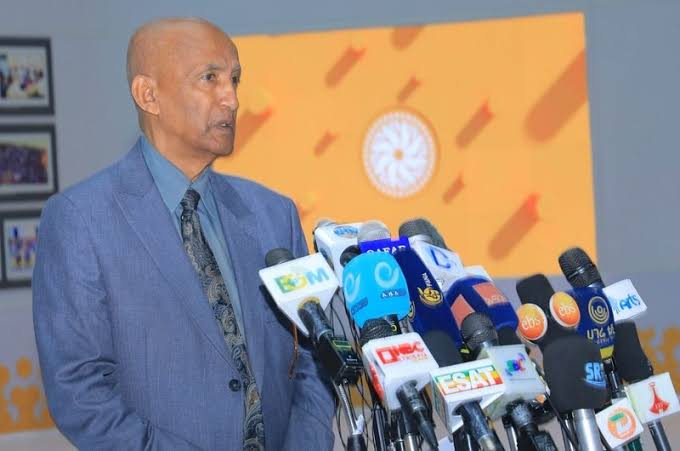
Addressing journalists during a press briefing on Wednesday, August 5, 2026, ENDC Chief Commissioner Professor Mesfin Araya acknowledged that while consultations are progressing, several ethical violations and verbal lapses have compromised the decorum of the proceedings.
Professor Mesfin stated that the core tenets of the national dialogue rely on mutual respect, active listening, and constructive consensus-building. However, he noted, without naming names, that certain delegates have engaged in personal attacks and derogatory behavior during working group debates.
”Dialogue means respect, conversation, listening, and reaching consensus,” Professor Mesfin stated. “We have observed some individuals attempting to crush the identity of others. Expressing ideas is a basic principle, but doing so in a way that demeans others is completely unacceptable. Going forward, we will take strict action according to our code of ethics.”
Under the Participant Code of Conduct issued on July 19, 2026, delegates are explicitly prohibited from criticizing another participant’s personal identity or ideas directly. The guidelines bar the use of insulting remarks, negative figurative speech, or language that undermines national peace and citizen security.
Commission guidelines specify that delegates who repeatedly violate these decorum rules will face disciplinary measures up to and including permanent expulsion from the national dialogue process.
The Chief Commissioner also clarified why the dialogue has yet to transition to its planned 500-member plenary phase. The delay stems from ongoing efforts within the 250-member strategic groups to fully organize and harmonize draft proposals originating from smaller sub-group sessions.
While several working committees have finalized their agendas—such as the religious affairs group led by Ustaz Jemal Bashir, which has completed its documentation and signed off on its proposals—other key committees remain locked in debate.
According to participating delegates, working groups deliberating on complex topics, including the administrative status of federal cities like Addis Ababa and Dire Dawa, have required additional time to refine their submissions. Professor Mesfin stated that the 500-member plenary discussions will commence as soon as the remaining strategic groups submit their finalized frameworks.