Zimbabwe’s drive to eliminate HIV as a public health threat by 2030 has received a significant boost, with journalists undergoing specialised training on Lenacapavir, a revolutionary long-acting injectable drug expected to transform HIV prevention efforts.
The four-day training programme, being held in Bulawayo, has been organised by the Ministry of Health and Child Care in collaboration with development partners. The initiative aims to equip journalists with the knowledge and skills needed to accurately report on Lenacapavir and its potential impact on the country’s HIV response.
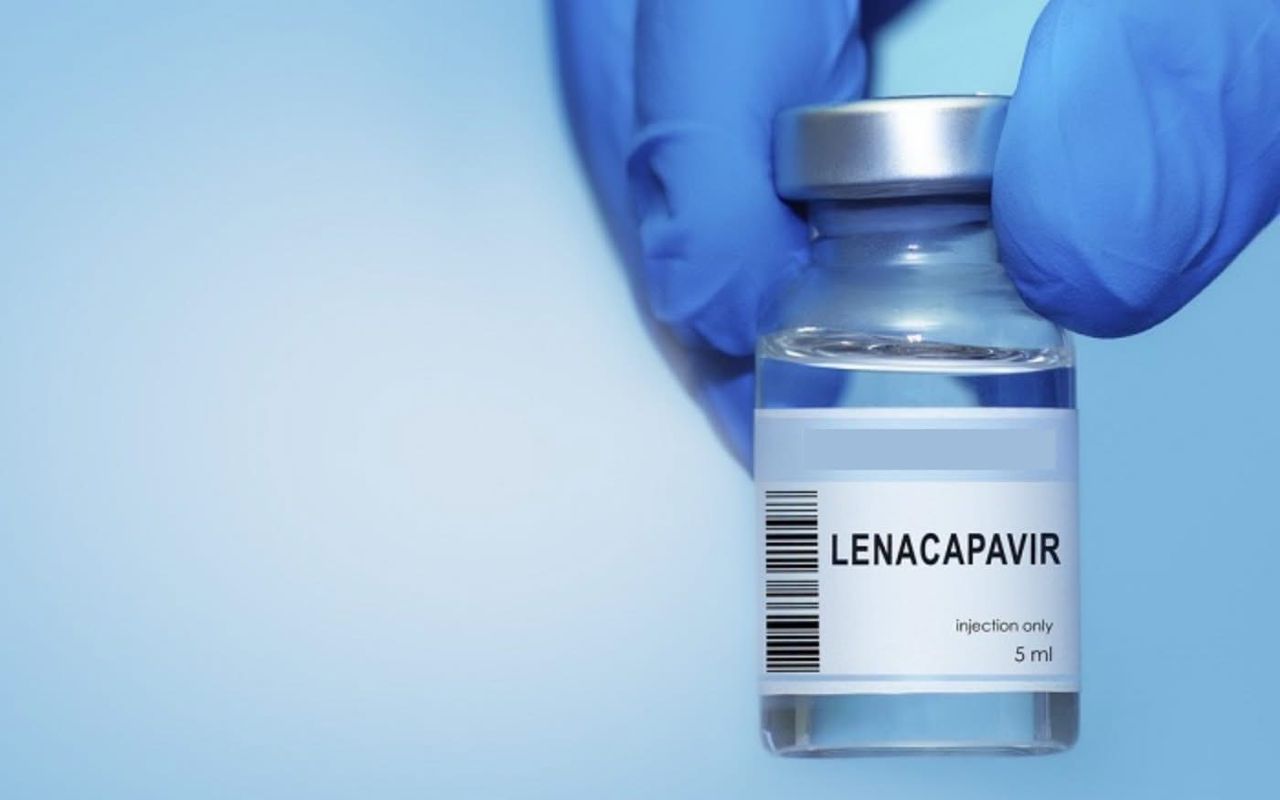
Lenacapavir, which is administered only twice a year, is being regarded as a major breakthrough in HIV prevention. Health experts believe the drug could improve adherence to prevention programmes by reducing the burden of taking medication regularly while expanding access to effective HIV prevention services.
Speaking during the training, Organisation for Public Health Interventions and Development Technical Director Dr Pugie Chimberengwa said empowering journalists with accurate information was critical in ensuring the public receives factual and balanced coverage of the new intervention.
“We want to capacitate you as the Fourth Estate so that you can disseminate accurate information. I believe this exercise will also help us dispel myths and misconceptions that are being perpetuated on social media about this novel HIV injectable drug,” said Dr Chimberengwa.
As part of the training, journalists participated in interactive breakout sessions aimed at enhancing their understanding of the science behind the injectable drug, its benefits and its role within Zimbabwe’s broader HIV prevention strategy.
Participants welcomed the initiative, noting that accurate reporting remains essential in raising public awareness and promoting informed decision-making on health issues.
“As health reporters, we play a crucial role in informing the public about the country’s fight against HIV,” said one participant.
“This is an important training programme as it equips us with the knowledge needed to report accurately on the new injectable HIV drug,” added another journalist.
Ministry of Health and Child Care National HIV Prevention Coordinator Getrude Ncube highlighted the progress Zimbabwe has made in combating HIV over the years.
“Over the years, we have made great progress in reducing the number of new infections and AIDS-related deaths. We have come a long way since the first case of HIV was recorded in the country in the 1980s,” said Ncube.
She noted that Zimbabwe continues to make strides towards achieving its goal of ending AIDS as a public health threat by 2030.
With health authorities embracing innovative interventions such as Lenacapavir, stakeholders believe the country is well-positioned to further reduce new HIV infections and improve health outcomes.
“The media remains a critical partner in the fight against HIV. Accurate reporting helps shape public understanding, challenge stigma and support the adoption of life-saving interventions,” said a health official.
Health experts believe Lenacapavir could play a pivotal role in accelerating Zimbabwe’s progress towards ending AIDS as a public health threat by the end of the decade.