The Government has stepped up investment in the National Matabeleland Zambezi Water Project (NMZWP), with contracts awarded under the flagship Gwayi-Shangani project now exceeding US$554 million, reaffirming its commitment to delivering a permanent solution to Bulawayo’s water shortages.
A National Matabeleland Zambezi Water Project Progress Report for the month of July shows that the project’s four principal contract packages are worth US$554.44 million, making it one of the country’s largest strategic infrastructure investments.
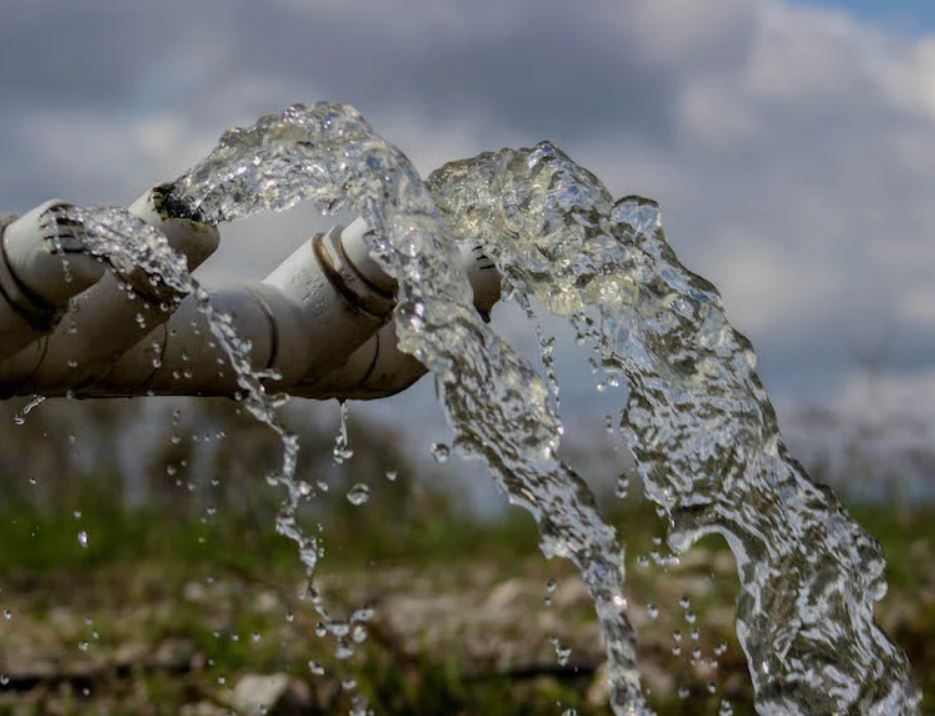
The contracts comprise US$175.14 million for the bulk water pipeline, US$167.73 million for pump stations, US$130.33 million for pipe supply and US$81.25 million for the water treatment plant.
Once complete, the project will secure water supplies for Bulawayo and Matabeleland, while supporting irrigation, industrialisation, mining and broader socio-economic development in line with Vision 2030.
The Government has consistently backed the project through successive budget allocations and Treasury support.
In 2025, it allocated ZiG1 billion towards construction of the dam and pipeline, while the 2026 National Budget earmarked ZiG273 million specifically for Gwayi-Shangani under a wider ZiG1.1 billion allocation for national water and sanitation programmes.
The 2026 Zimbabwe Infrastructure Investment Programme said US$25.3 million was released for construction during 2025.
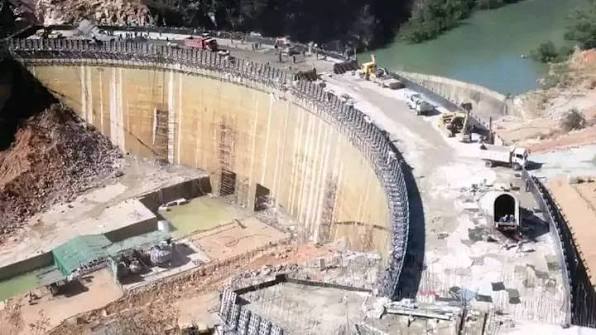
“With regards to Gwayi-Shangani Dam, which is now at 72.4%, US$25.3 million was availed during the year 2025. Completion of the Gwayi-Shangani Dam is projected for 2026, supported by a funding allocation of ZiG273 million,” the report said.
To further accelerate implementation, President Mnangagwa directed Treasury to release US$5 million every month for the project.
The report noted that while increased monthly funding would speed up construction of associated infrastructure, including the power station and low-lift pumping stations, the current financing has enabled steady progress on the dam itself.
Construction of the main dam has now reached 80%, with the wall rising from 39 metres to 55 metres over the past year and more than 194,624 cubic metres of concrete already placed.
Civil works on the mini-hydropower plant are 72% complete, while fabrication and installation of the outlet steel penstock have been completed. Excavation at the low-lift pump station also resumed in March after earlier delays.
“The current arrangement of approximately US$4 million per month is enough to cater for the dam wall alone,” the report said, recommending an increase to US$8 million per month to fast-track completion of the remaining infrastructure.
Beyond addressing Bulawayo’s long-standing water challenges, the multi-million-dollar project is expected to unlock new opportunities for irrigation, mining, manufacturing and urban growth, cementing its place as a key pillar of the Government’s infrastructure-led economic transformation agenda.