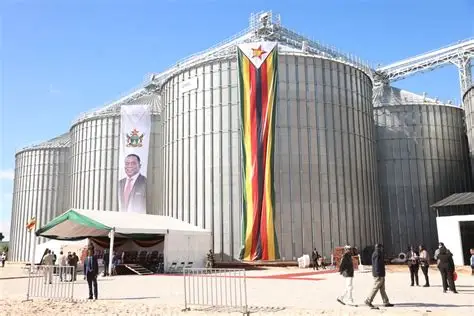
The Grain Marketing Board (GMB) says it has procured 115,000 tonnes of grain for the Strategic Grain Reserve (SGR), bringing the country within 35,000 tonnes of its 150,000-tonne summer grain procurement target, while expanding grain collection points and storage capacity to strengthen national food security.
In a statement, yesterday, the GMB said the latest procurement figures demonstrate steady progress in rebuilding the country’s strategic grain reserves following a successful marketing season.
“GMB has already procured 115,000 tonnes of its 150,000-tonne summer grain target, leaving 35,000 tonnes to reach the goal,” the Board said.
The GMB said grain stocks are expected to increase substantially once the winter wheat harvesting season gets underway.
“A further 150,000 tonnes is expected from the winter wheat harvest, strengthening national food security,” the Board said.
To improve access for farmers and accelerate grain deliveries, the GMB said it has significantly expanded its grain collection network across the country.
“GMB has established 1,184 grain collection points and is routing trucks closer to farming communities to reduce transport costs.
The decentralised collection model is making it easier for farmers in remote areas to market their produce while reducing logistical challenges associated with transporting grain to traditional depots,” the Board added.
In addition to supporting Government grain procurement, the GMB said it is strengthening its commercial storage services.
“Grain held for private clients has reached 67,700 tonnes, with storage fees reduced from US$2.90 to US$2.67 per tonne,” the Board said.
The GMB added that decentralised buying centres are also contributing to increased grain deliveries.
“More than 11,000 tonnes have already been bought through decentralized buying points,” it said.
Beyond domestic grain management, the Board said Zimbabwe is positioning itself as a regional grain storage and trading hub.
“GMB is positioning Zimbabwe as a regional grain storage and trading hub, attracting grain from countries such as South Africa and Zambia,” the Board said.
The Board also expressed confidence in the country’s preparedness to respond to future climate-related food security challenges.
“Zimbabwe is well prepared, drawing on lessons from previous droughts to ensure timely grain distribution and support food security programmes, including school feeding initiatives,” the GMB said.
The expansion of grain collection infrastructure, increased procurement, enhanced storage capacity and preparations for the winter wheat harvest are expected to reinforce Zimbabwe’s Strategic Grain Reserve while improving market access for farmers and supporting Government efforts to safeguard national food security and maintain adequate grain supplies throughout the year.