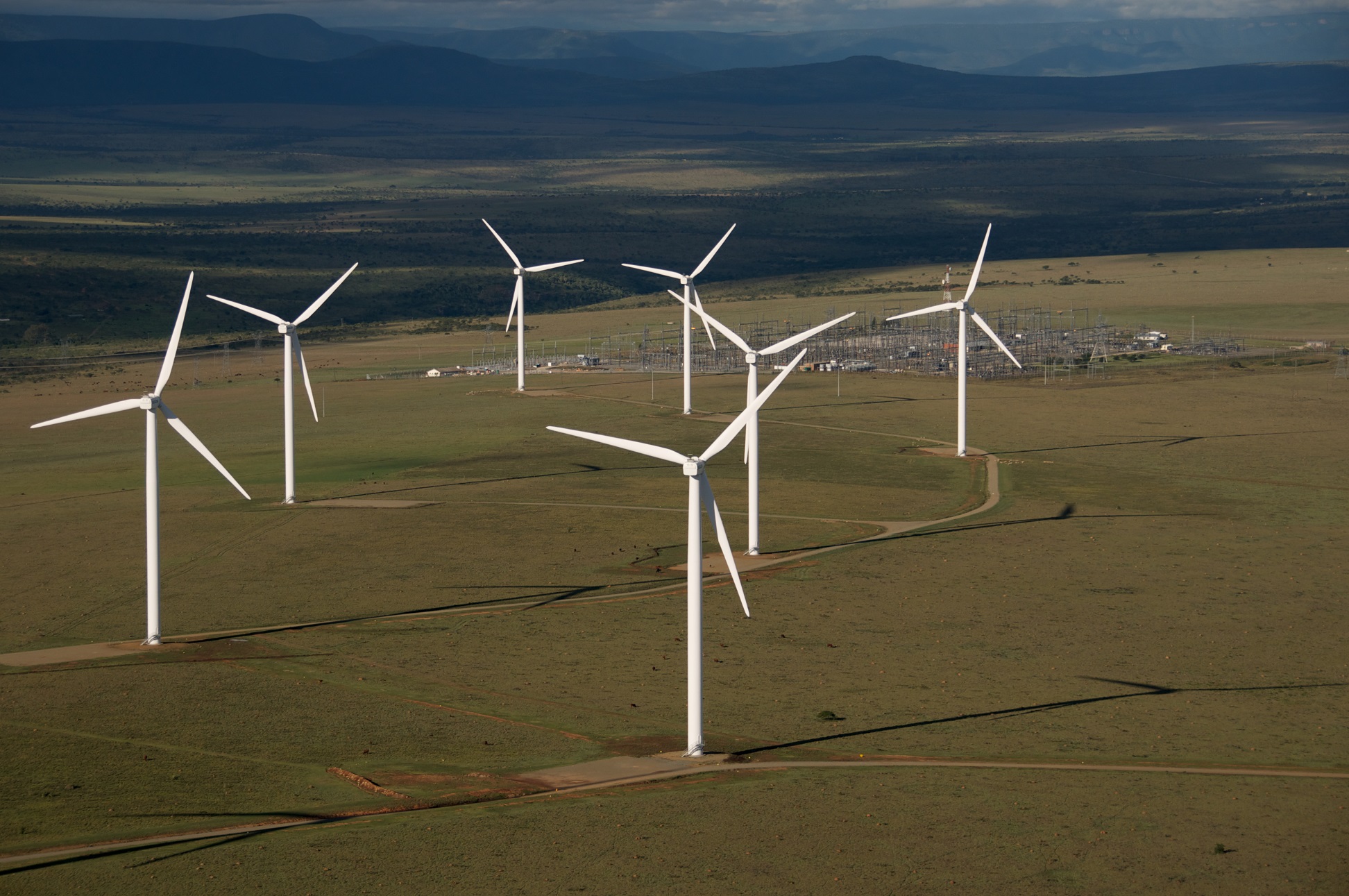
South Africa’s biggest wind project has officially launched in Mpumalanga, with its first 25 wind turbines now producing electricity as developer Seriti Green presses ahead with plans to dramatically expand renewable energy generation in the province.
The first phase of the project is generating around 155 megawatts of renewable energy, with the wider development expected to reach about 900 megawatts. Seriti Green is also planning a further expansion across the road that would take total capacity to 1,500 megawatts over the next 36 months.
Speaking on 702/CapeTalk’s The Money Show, Seriti Green CEO Peter Venn said the project represented years of planning and billions of rand in investment.
“It has taken me 15 years to get to this point where I can call it a commercial operation for this plant.”
Venn said development of the project itself began eight years ago, starting with securing land before construction gathered pace after Seriti Green joined the Seriti Group.
“We’ve deployed just short of R15 billion over the last three years on this project,” he said.
The first phase alone cost about R5 billion and includes 25 wind turbines.
Asked what each turbine costs, Venn said the first phase works out to roughly R200 million per turbine when fully amortised.
Bigger expansion already planned
The project is far from complete.
Venn said the development will eventually comprise 127 wind turbines producing 900 megawatts of electricity.
A second development nearby will add another 60 turbines, increasing total generating capacity to 1,500 megawatts within three years.
“Mpumalanga is the energy heartland of South Africa and the home of the just energy transition,” he said.
Beyond electricity generation, Venn said the project could help create a specialised maintenance industry while offering workers from the coal sector an opportunity to develop new skills.
He said many of the mechanical skills used in coal operations are transferable to wind energy and that Seriti Green hopes to use Eskom’s Komati training centre to help develop technicians.
“We will see people coming out of the coal sector,” Venn said. “We will see cross-skilling.”
He added that more wind farms would need to be built in Mpumalanga to establish a sustainable renewable energy industry in the province.
Why Mpumalanga?
Venn said one of Mpumalanga’s biggest advantages is its existing electricity grid infrastructure, much of it built to serve coal-fired power stations.
He said reclaimed mining land also presents opportunities for renewable energy developments, including solar power and battery storage.
“What mines have is plenty of grid connection, which is in shortage in the rest,” he said.
Venn added that generating electricity closer to where it is consumed reduces transmission losses over long distances.
“So big batteries in Mpumalanga, watch this space, along with solar and wind,” he said.