Zimbabwe has begun reviewing its legal framework governing intersex persons following a landmark constitutional court application, with three Cabinet ministers leading consultations on possible legal and policy reforms.
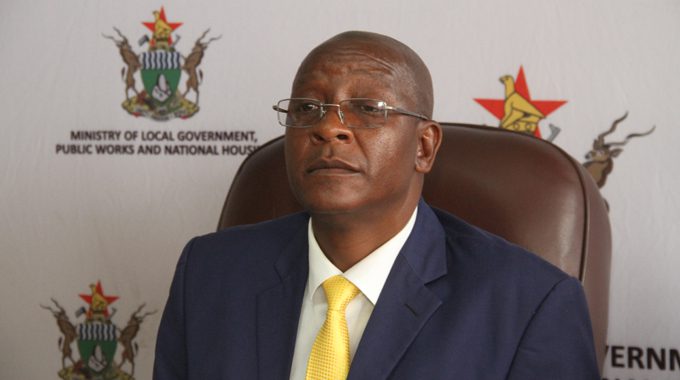
The high-level breakfast meeting, convened by the Ministry of Justice, Legal and Parliamentary Affairs in Harare on Wednesday, brought together Justice Minister Ziyambi Ziyambi, Public Service, Labour and Social Welfare Minister Edgar Moyo, and Health and Child Care Minister, Douglas Mombeshora.
Justice Minister Ziyambi said the review was prompted by litigation challenging the State’s handling of intersex rights.
“We received a court challenge on this issue and referred it to the Attorney General. Thereafter, we resolved as a ministry to undertake research,” he said.
The research, being conducted by the Law Development Commission with support from the United Nations Development Programme (UNDP), is expected to guide possible legal and policy reforms.
“The research and this meeting are part of work in progress. We have presentations and testimonies from people with lived experiences, and we believe these engagements will enable us to come up with concrete measures,” Ziyambi said.
He acknowledged that while Zimbabwe’s legal framework recognises male and female classifications, government systems must address cases involving people born with variations in sex characteristics.
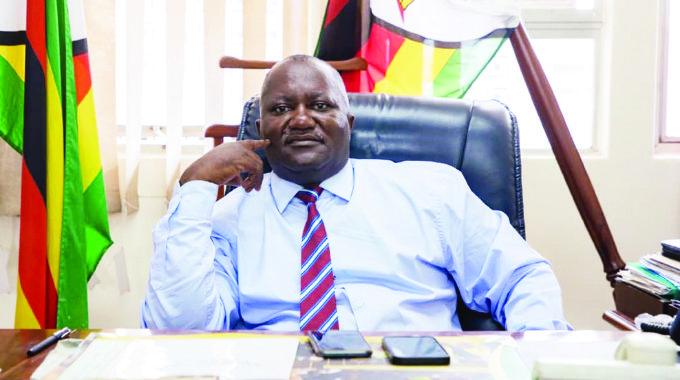
Public Service, Labour and Social Welfare Minister, Edgar Moyo said the consultations had exposed significant gaps in existing legislation.
“There is a real gap in our laws because they largely recognise only male and female, yet there are people who fall outside those classifications,” he said.
Moyo said stigma and cultural beliefs had left many intersex persons excluded from essential services, with testimonies revealing that families often struggled to understand intersex variations, particularly when they became apparent later in childhood.
“The testimonies were heartbreaking. Parents may not always know or fully understand the condition, especially where the characteristics emerge later,” he said.
He said his ministry would strengthen inclusive support systems to ensure no one was left behind.
Participants highlighted challenges faced by intersex persons in accessing birth certificates, national identity documents, education, healthcare, banking services, employment and voting because existing systems recognise only male and female categories.
The review follows a High Court application (HCH4743/25) filed by seven applicants, including two minors, seeking legal recognition of intersex persons as a distinct category under Zimbabwean law.
The applicants want the State to recognise intersex persons in law, introduce appropriate identity document provisions, establish procedures for changing sex markers on official documents, and protect intersex minors from non-consensual, non-essential surgeries.
They argue that the absence of legal recognition has denied intersex persons equal access to education, healthcare and other public services, prompting the government to begin considering legislative and policy reforms.
The Ministry of Justice said the next phase will involve validating the research findings, drafting legal and policy recommendations for Cabinet and continuing consultations with intersex persons and civil society before any proposed reforms are considered.