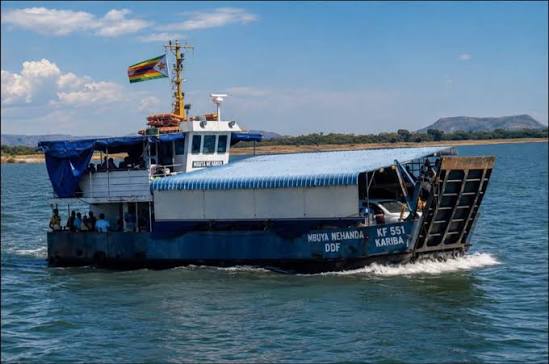
President Emmerson Mnangagwa has ordered an urgent overhaul of maritime safety measures following the fatal capsizing of a Rural Infrastructure Development Agency (RIDA) boat on Lake Kariba, which has so far claimed 44 lives.
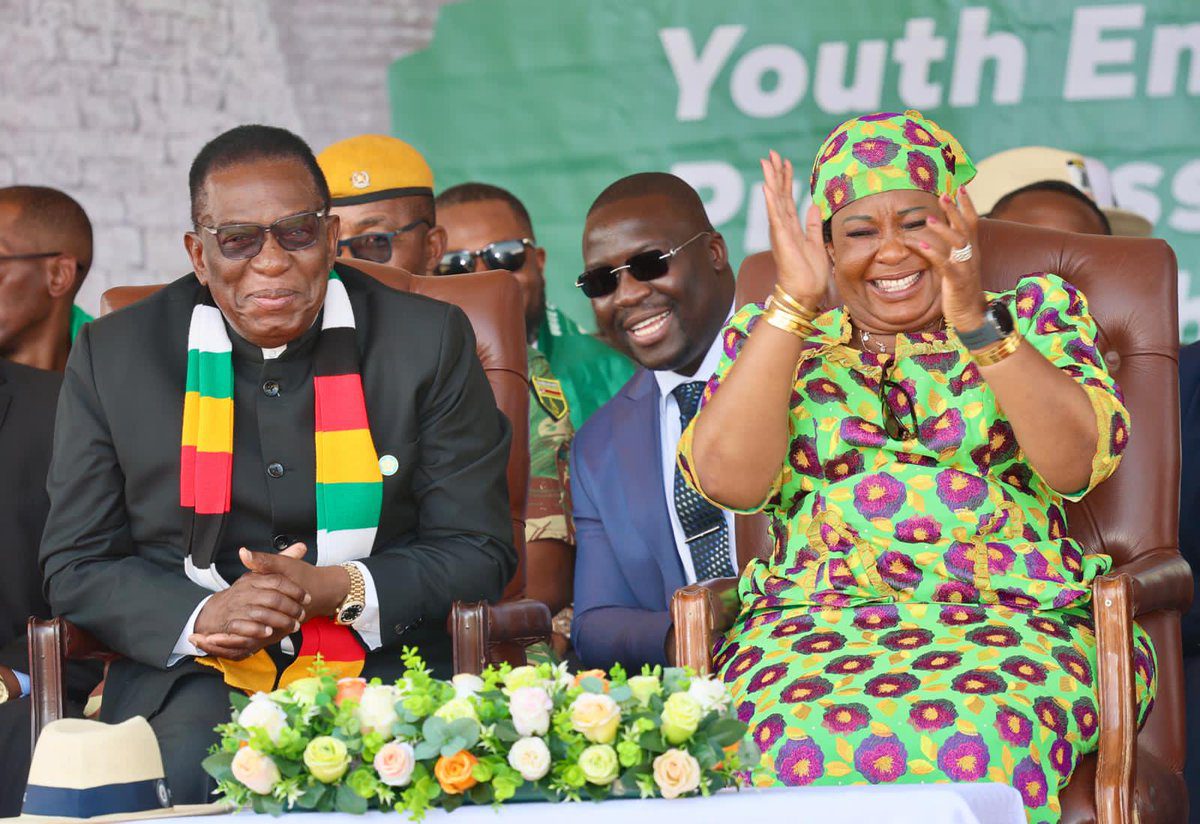
In a condolence message, following Tuesday’s accident, President Mnangagwa directed all agencies responsible for maritime safety, particularly specialised units within the security services, to implement immediate remedial measures to prevent a recurrence of the tragedy.
He also declared the incident a National Disaster and directed authorities to provide affected families with medical, psychosocial and funeral assistance as search and recovery operations continue.
“This tragedy has exposed serious deficiencies in our maritime capabilities which we have to address immediately so that our places of recreation do not become death traps to the innocent,” President Mnangagwa said.
“Accordingly, I direct all agencies associated with our maritime safety, including, especially specialised units within our security forces, to take an active interest in ensuring remedial interventions in this area.”
The President said Government was doing everything possible to account for those still missing, while survivors would receive specialised medical care and counselling to help them recover from the trauma.
“To those who survived, I wish them speedy recovery and I direct that our specialised health services provide suitable counselling to them so they are helped out of this traumatic experience,” he said.
President Mnangagwa also expressed condolences to the bereaved families and commended security personnel and members of the public who responded to the accident despite difficult conditions on the lake.
“Without their swift response, many more lives would have been lost in the rough and choppy conditions which obtained on the lake on the day,” he said.
He assured affected families that Government would provide the necessary assistance as search and recovery efforts continue.
The RIDA vessel capsized on Lake Kariba on Tuesday in rough conditions, triggering a major search and rescue operation.
President Mnangagwa called for national unity and prayers for the deceased, those still missing, survivors and bereaved families.
“Let us, as a nation, unite in prayer for the souls of the departed, for the success of the ongoing search operations, speedy recovery of survivors and for comfort and strength for the bereaved families,” he said.
The latest tragedy has renewed concerns over maritime safety on Lake Kariba, where previous accidents have raised questions about vessel compliance, passenger capacity and the availability of safety equipment.
In July 2021, five people were feared dead after a boat carrying eight passengers capsized while travelling between Nyaodza fishing camp and Nyamhunga township. The accident was attributed to suspected overloading. A subsequent police investigation found that the vessel was unregistered and that passengers did not have adequate life jackets.
In November 2021, another boat capsized after reportedly being struck by a strong wave, killing two people and leaving another person missing. Police again cited suspected overloading.
In October 2023, three people were reported missing after a canoe carrying four occupants overturned near Nyaodza Point.
The repeated incidents point to wider maritime safety challenges, including vessel registration, passenger capacity, availability and use of life jackets, weather monitoring, navigation and the capacity of authorities to effectively monitor traffic across the vast inland waterway.
A World Bank-supported disaster-risk assessment of the Kariba area previously identified Lake Navigation Control as responsible for ensuring that vessels meet required standards, registering boats, checking safe carrying capacities and ensuring that appropriate safety equipment is available. The assessment highlighted gaps in emergency response resources, including an emergency boat that reportedly lacked a dedicated fuel budget.
Against this background, the President’s acknowledgement of “deficiencies” in the country’s maritime capabilities places renewed focus on the need for sustained reforms beyond the immediate rescue and recovery operation.
The latest tragedy has also exposed the logistical challenges involved in responding to major emergencies on Lake Kariba, underscoring the need for better-equipped rescue teams, stronger enforcement of maritime regulations and improved emergency response capacity.
The Government’s directive is therefore expected to strengthen maritime safety enforcement, improve vessel compliance and enhance rescue capabilities, helping to prevent similar tragedies and ensure greater safety for passengers on Lake Kariba.