
The Government’s recent decision to reserve specific economic sectors exclusively for local citizens is a game-changing and empowering step in the country’s development journey. As the country continues to work towards Vision 2030, this policy aligns directly with President Emmerson Mnangagwa’s well-known philosophy that “Nyika inovakwa nevene vayo” – a nation is built by its own people. It sends a strong message that Zimbabweans are not only the heart of the nation’s economy but also the rightful drivers of its progress.
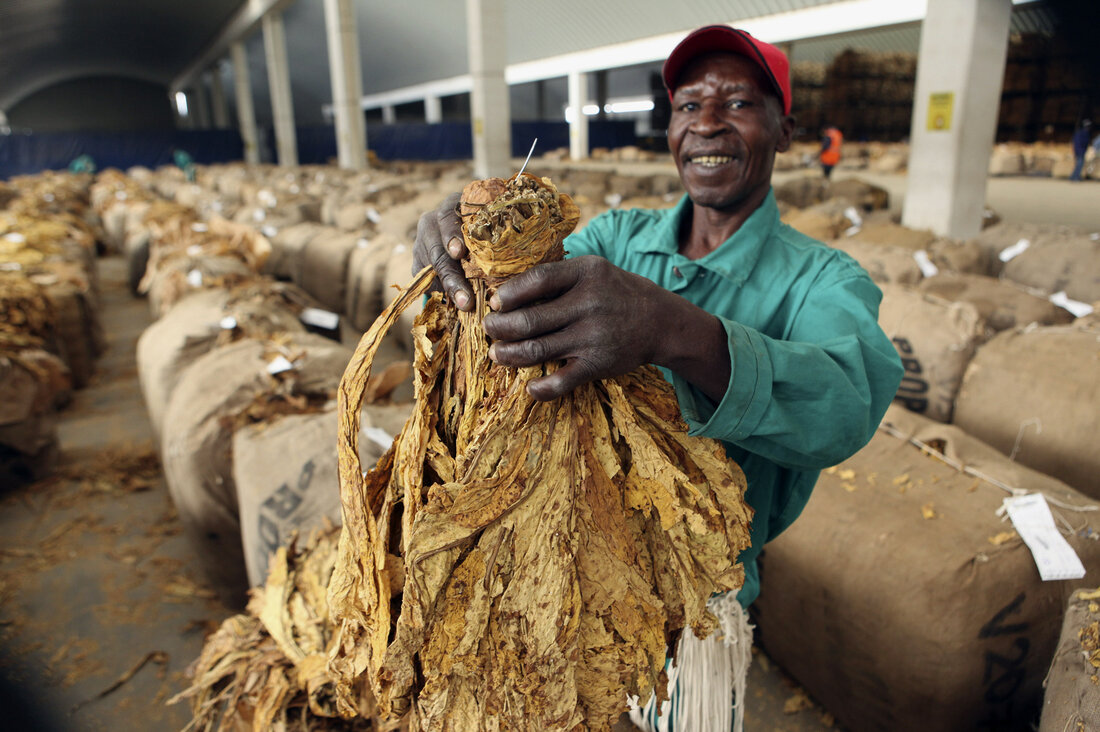
Announced during the 15th Cabinet sitting on June 3, 2025, and now moving into full implementation, the Reserved Sector Framework gives Zimbabwean citizens exclusive rights to operate in various industries. These include artisanal mining, bakeries, advertising agencies, transportation services (including buses, taxis, and car hire), barbershops, hair salons, employment agencies, borehole drilling, local arts and crafts, tobacco grading and packaging, pharmaceutical retailing, estate agencies, grain milling, brick moulding, granite and quarry mining, and more.
The decision to ringfence these sectors for locals is more than just an economic policy—it is a socio-economic empowerment tool with far-reaching benefits. For decades, Zimbabweans have been competing in these spaces with foreign-owned entities that often have more capital, better access to equipment, or international networks. This competition has made it difficult for many local entrepreneurs to gain a foothold in their own country’s economy. The new framework corrects that imbalance by giving locals the space and confidence to operate and grow without being pushed out or overshadowed.
One of the most immediate and visible benefits of this policy is job creation. When more Zimbabweans own and operate businesses, especially in labour-intensive sectors like transport, beauty services, and manufacturing, the demand for workers increases. For instance, a Zimbabwean-run bakery will not only employ bakers but also delivery drivers, cashiers, cleaners, and marketing staff. Similarly, reserving haulage and taxi services for locals will create job opportunities for drivers, vehicle maintenance experts, and dispatch personnel. This ripple effect can significantly reduce unemployment, especially among the youth and women, who are often underrepresented in formal employment.
Beyond job creation, the framework is a strong enabler of wealth creation and local investment. Ownership is key to economic empowerment. When locals own businesses, they are not just earning wages—they are building assets, acquiring capital, and developing legacies they can pass on to the next generation. Local business owners are also more likely to reinvest their profits into the local economy. Instead of profits being repatriated overseas, as often happens with foreign-owned businesses, locally generated income is more likely to be spent on local goods and services, invested in real estate, or used to pay school fees, buy groceries, and support other Zimbabwean entrepreneurs.
Moreover, reserving sectors for Zimbabweans gives small business owners and start-ups a fighting chance. Many of the reserved sectors, such as barbershops, brick moulding, and baking, have low barriers to entry—meaning they do not require massive amounts of capital or complicated licences to get started. These are precisely the kinds of industries where young people, recent graduates, and women can launch viable businesses. With the space to operate free from foreign competition, these entrepreneurs can gain confidence, grow their operations, and create long-term financial security for themselves and their families.
This move also contributes significantly to national self-reliance. By building local capacity in key industries such as grain milling, quarry mining, pharmaceutical retailing, and logistics, Zimbabwe reduces its dependence on foreign providers. This enhances economic resilience, particularly in times of global uncertainty or supply chain disruptions. When local businesses are strong, Zimbabwe is better able to meet its own needs internally, keeping critical industries running even in challenging circumstances.
Another vital benefit of the reserved sector policy is the potential for skills development and entrepreneurial innovation. As more Zimbabweans take up business opportunities in these sectors, they will naturally be encouraged to improve their business practices, adopt new technologies, and pursue training to stay competitive. This creates a culture of learning, innovation, and excellence—qualities that are essential for long-term economic growth and global competitiveness. For example, in advertising or logistics, locally owned companies can bring fresh, Zimbabwean perspectives and create solutions that are better suited to local markets than those imported from abroad.
In the cultural space, reserving sectors like arts and crafts, marketing, and distribution for locals empowers Zimbabweans to tell their own stories, promote their own heritage, and keep the value of cultural products within the country. Rather than seeing traditional crafts exported with little local benefit, artisans and creatives will now have the power to build profitable businesses around their heritage. This strengthens national identity, preserves cultural knowledge, and contributes to tourism and export growth.
Importantly, the Reserved Sector Framework also creates certainty and structure. By clearly outlining which sectors are reserved and how thresholds will apply to others, the government gives entrepreneurs the clarity and confidence to invest and plan. Uncertainty is one of the biggest barriers to entrepreneurship; with this framework, Zimbabweans can move forward knowing which sectors are protected and what support may be available.
Some may view this policy as a form of economic protectionism, but in reality, it is an act of economic justice. It acknowledges the historical imbalances that have left Zimbabweans disadvantaged in their own economy and takes tangible steps to correct that. It is not about shutting out foreign investment—it is about making sure that Zimbabweans get their fair share of the economic pie and are given the tools and space to grow.
As implementation continues, it will be essential for the government, local authorities, and financial institutions to support this initiative with training programs, access to capital, mentorship, and monitoring. With the right support mechanisms in place, the Reserved Sector Framework can transform Zimbabwe’s economic landscape.
The Reserved Sector Framework is a landmark policy in Zimbabwe’s journey toward inclusive, homegrown economic growth. It places Zimbabweans at the centre of their economy, empowers individuals and communities, and lays a solid foundation for lasting prosperity. It affirms that Zimbabwe is not just open for business—but open for business by Zimbabweans, for Zimbabweans.