Zimbabwe’s 2026 winter wheat harvest has begun in several parts of the country, with more than 130 000 hectares under the crop and production expected to surpass 660 000 metric tonnes.
The commencement of harvesting has raised hopes of another strong wheat season, with farmers who planted early already taking advantage of favourable weather conditions to bring their crops to market before the rains.
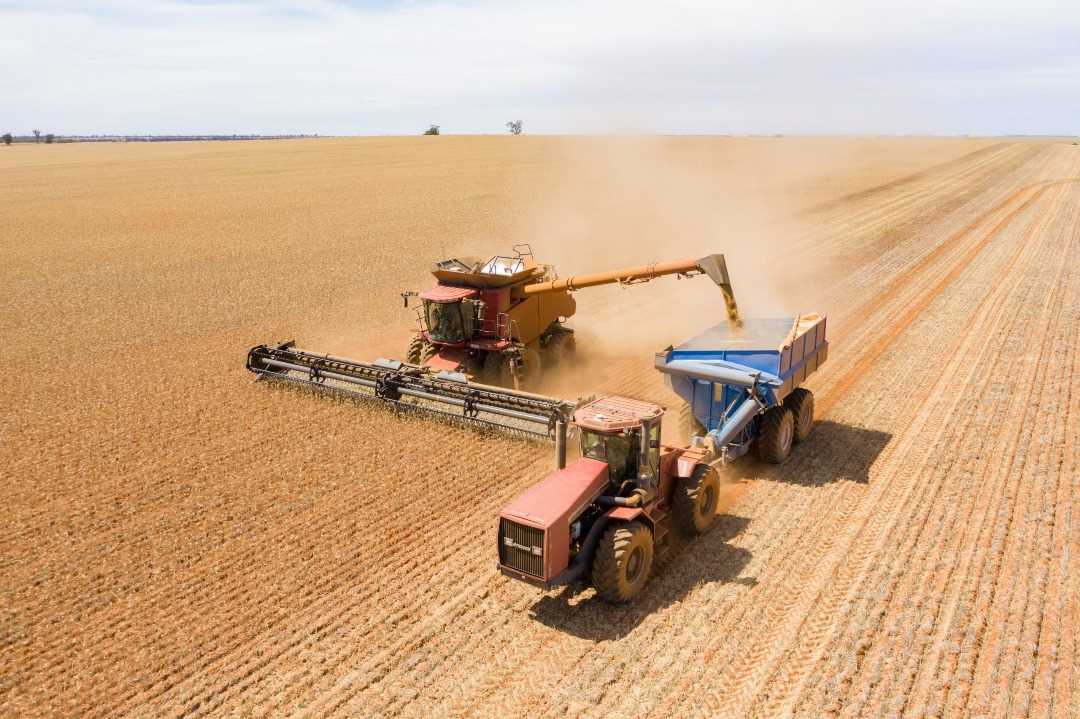
Agriculture, Mechanisation and Water Resources Development Permanent Secretary Professor Obert Jiri visited farmers in Banket and said the Government had mobilised adequate combine harvesters to support the exercise.
He urged farmers to organise themselves into clusters to facilitate the efficient allocation of harvesting equipment as the programme gathers momentum.
“The 2026 wheat harvesting has commenced in earnest. Farmers with the early planted winter wheat crop have taken the lead and with the sunny weather we expect harvesting to escalate as more wheat will be ready for harvesting,” he said.
“Adequate harvesters are there and we urge farmers to organise themselves into clusters for easy allocation of the harvesters.”
Professor Jiri also warned farmers to remain vigilant against veld fires as the country enters the fire season.
He said uncontrolled fires could destroy crops and cause significant damage to the environment at a time when farmers are preparing to harvest their winter wheat.
“Reports of fire are being recorded in various parts of the country. We urge all farmers to organise fire teams to deal with any outbreak so that we save our wheat and environment,” he said.
In Banket, Mashonaland West Province, farmers have started harvesting their winter wheat, with some reporting encouraging yields.
Farmer Mr Job Dalu said he had already harvested more than 70 hectares of his 100-hectare crop, with yields averaging eight tonnes per hectare.
“Here we planted on time and as you can see harvesting is now in full throttle. I planted 100 hectares and so far I have harvested over 70 hectares. My average yield is eight tonnes per hectare, which is viable,” he said.
The Government is targeting more than 660 000 metric tonnes of wheat from the 2026 winter crop, which would further strengthen Zimbabwe’s position as one of Africa’s leading wheat producers.
The anticipated harvest is expected to contribute to national food security, reduce reliance on imports and support the country’s broader agricultural transformation agenda.
With harvesting now gathering pace, authorities are urging farmers to work closely with local structures to ensure the timely deployment of machinery and minimise losses.
The focus will now shift towards ensuring that the crop is harvested and safely stored before the onset of widespread rains, while maintaining vigilance against fires that could threaten fields and surrounding communities.