Bank Gospodarstwa Krajowego (BGK), Poland’s State development bank, has confirmed an allocated financing facility exceeding $1.1-billion, earmarked specifically for trade, joint ventures (JVs) and infrastructure projects across sub-Saharan Africa. A quarter of that allocation, or about $250-million, is targeted directly at South African ventures.
The ‘Team Poland’ initiative brings together six sSate institutions – BGK, the Polish Investment and Trade Agency (PAIH), the Polish Development Fund and export credit insurer KUKE, among others – to provide financing, risk underwriting and market advisory for international expansion.
It is aligned with the EU’s Global Gateway agreement for digital and physical infrastructure.
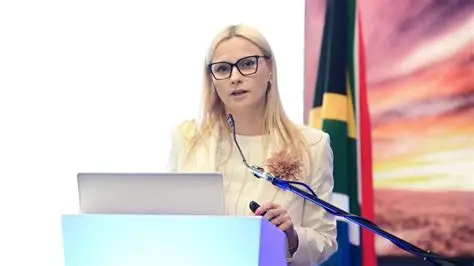
“The Polish Development Bank has more than $1-billion for projects for the next few years dedicated to Africa – this is more than 50% of our budget. We can support Polish companies in their foreign expansion and also their partners, buyers and African governments delivering strategic national projects,” said BGK director for international business relations Wioletta Reimer.
This mechanism allows BGK to extend financing to African importers purchasing Polish equipment, provide project finance to local-Polish JVs and co-finance transactions alongside African commercial lenders.
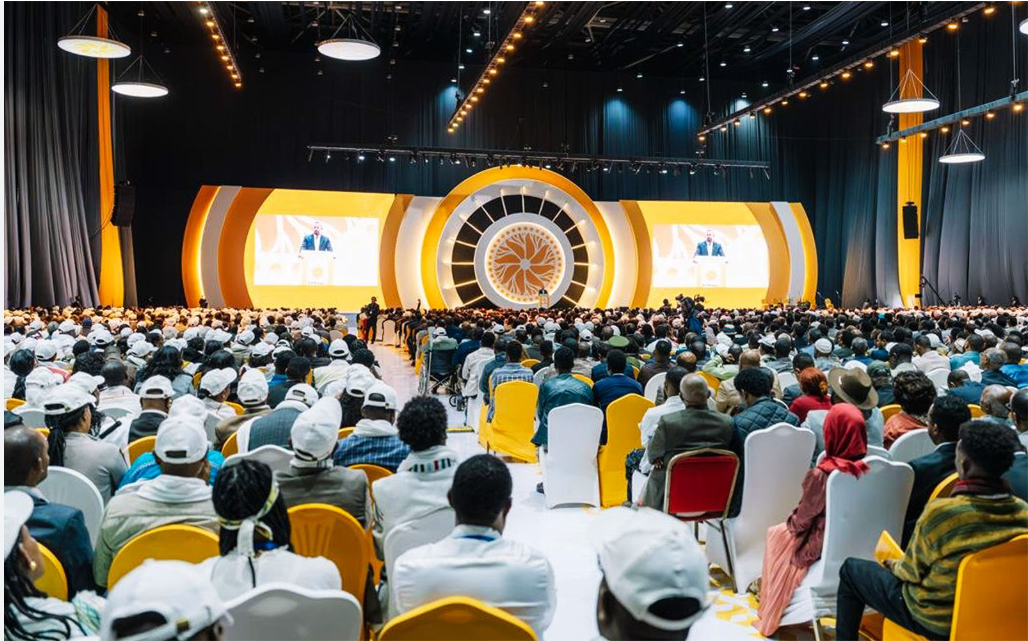
The announcement, made at the inaugural Polish-South African Business Forum – organised by the PAIH in Johannesburg and the Embassy of the Republic of Poland – crystallises a strategic pivot in bilateral relations.
In a media release, BGK and PAIH note that Poland – which crossed the $1-trillion GDP threshold late last year and has secured developed-market status on the S&P Dow Jones Index – is seeking direct investment outlets beyond the EU.
PAIH Johannesburg foreign trade office head Kasia Muzyk noted that bilateral trade, valued between $1.5-billion and $1.6-billion, currently remains skewed toward basic imports and exports.
Total Polish exports to South Africa are led by industrial machinery, mechanical appliances and electrical technology ($226.7-million); automotive parts and components ($117.4-million); specialty chemicals and cosmetics ($119-million); and high-value agri-food exports.
Notably, Poland is South Africa’s seventh largest supplier of automotive components, delivering R11-billion in import value in 2024 to support local original equipment manufacturers.
Muzyk stated that transactional trade between the two nations has reached its natural ceiling, but is ripe to be bolstered by direct investment, local value addition and co-development.
“Poland brings advanced machinery, engineering and clean energy solutions, alongside a highly skilled workforce and access to the European single market.
“While South Africa brings world-class mining expertise, critical minerals, sophisticated financial markets and an established commercial gateway into the rest of Africa,” said Muzyk.
BGK and PAIH note that South Africa’s global competitiveness is lagging as a result of structural deficiencies across municipal water supplies, freight rail lines and electrical transmission.
Moving bulk freight off roads and back onto rail through private sector participation models is thus essential for industrial survival, outlined Industrial Development Corporation (IDC) special business unit head of infrastructure water, logistics and telecommunications Nina Yose.
BGK and PAIH highlight similar transport bottleneck issues faced by Poland in the 1990s. Hence, they explain that Polish engineering, water management and digital governance solutions are well suited to support South African industrial corridors.
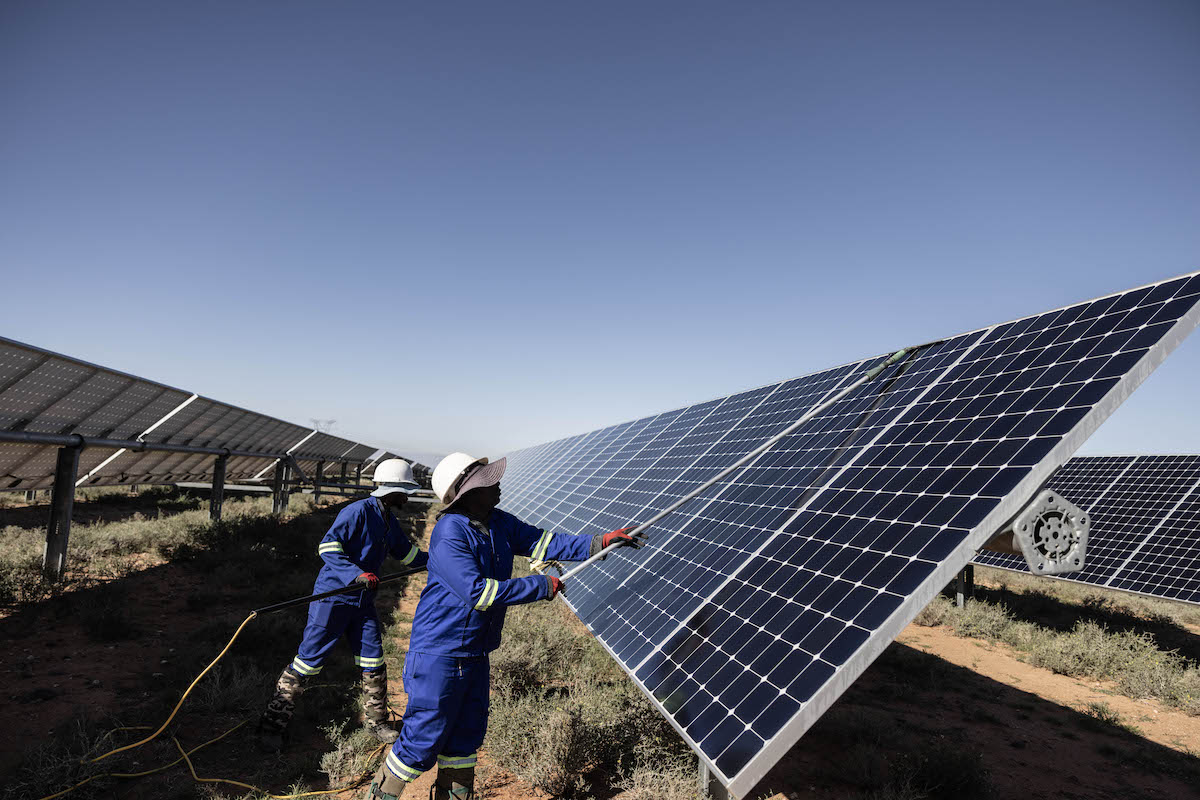
BGK and PAIH also highlight structural overlaps between both economies in mining and baseload power.
With this in mind, the ‘Mining, energy transition and the future of coal’ panel addressed the balance between decarbonisation, baseload security and social equity, comparing South Africa’s Mpumalanga coal belt with Poland’s Silesia region, which navigated three decades of restructuring.
Hence, BGK and PAIH note that bridging Africa’s $180-billion yearly infrastructure gap is essential, especially in the face of market risk perceptions that often see African ventures unfairly penalised.
“The time is right. Polish companies are maturing to invest and expand in countries such as South Africa. If there is a viable project backed by mutual collaboration, our credit limits are in place and ready to be deployed,” said BGK transaction manager Błażej Mykowski.
BGK and PAIH explain that the objective of the business forum was explicit – to move beyond diplomatic discourse to establish a concrete, bilateral engine for commercial execution.