Anti-Corruption agencies across the Southern African Development Community (SADC) region are calling for stronger operational cooperation to track, freeze and recover illicit assets moved across borders as financial crimes increasingly exploit gaps between national jurisdictions.
The call was made during the Anti-Corruption High-Level Dialogue held in Victoria Falls alongside the SADC Anti-Corruption Expo and Games.
The dialogue was convened under the theme, “Beyond Boundaries: Harmonising Asset Recovery, Combating Illicit Financial Flows and Securing SADC’s Economic Sovereignty Through Regional Cooperation.”
Discussions focused on the growing cross-border nature of corruption, money laundering and asset concealment, with participants emphasising the need for anti-corruption agencies to strengthen cooperation beyond existing legal and institutional frameworks.
Directorate on Corruption and Economic Crime, Botswana, representative Abigail Tiroyaone said regional agencies needed to establish practical professional networks capable of responding effectively to financial crimes spanning several jurisdictions.
“This dialogue represents a first practical step towards translating the relationships and regional solidarity built through the games and expo into more focused professional and operational cooperation among our institutions,” she said.
Tiroyaone said stronger cooperation was particularly important because corruption and financial crimes were increasingly moving beyond national borders.
She said proceeds generated through corruption in one country could be transferred through financial institutions, corporate structures and intermediaries in several jurisdictions before the assets were ultimately held elsewhere.
“Effective financial investigations, asset tracing, and recovery, therefore, depend increasingly on our ability to cooperate across national boundaries,” she said.
The Zimbabwe Anti-Corruption Commission (ZACC) reaffirmed the country’s commitment to strengthening regional cooperation and aligning its systems with international Financial Action Task Force standards.
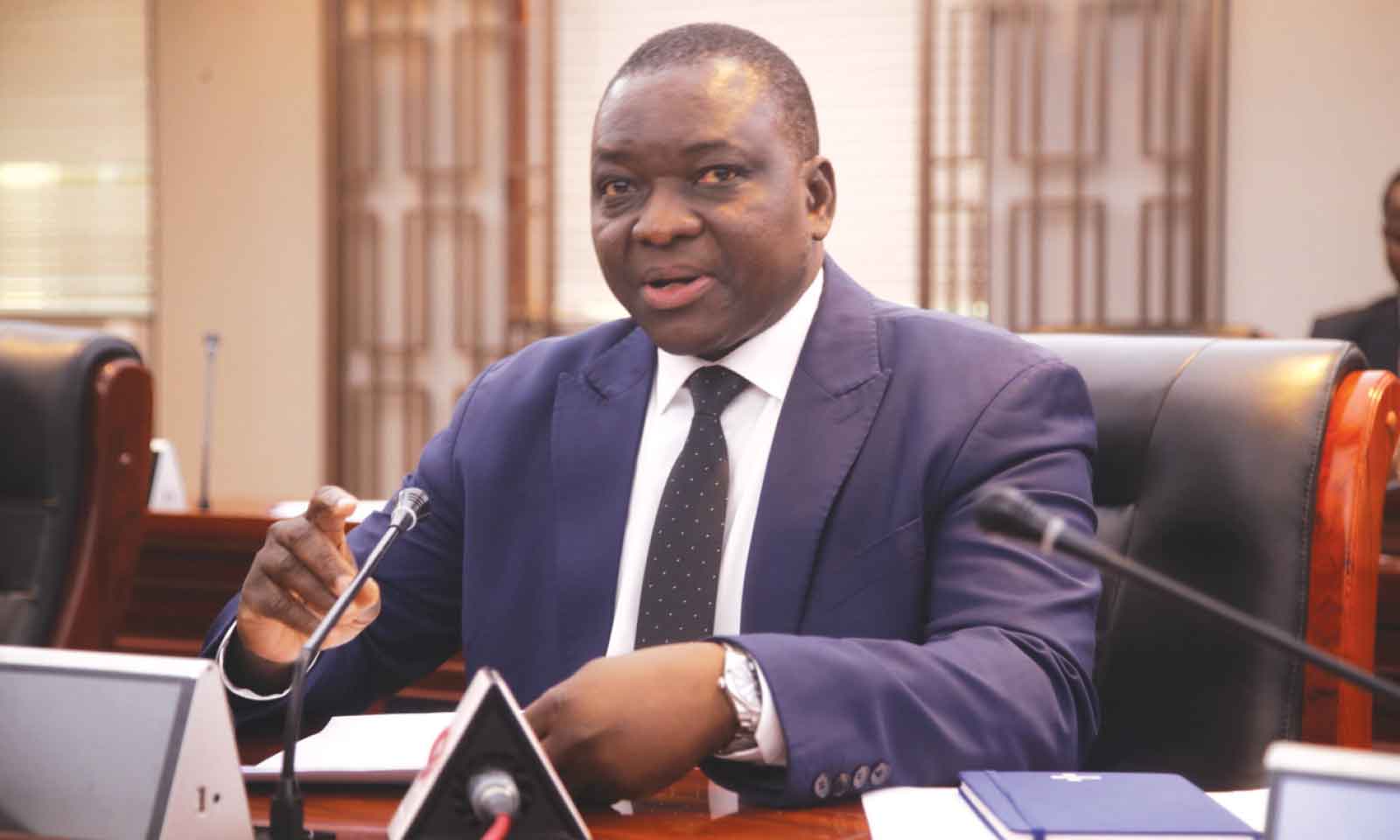
ZACC Chairperson Michael Reza said the dialogue should result in practical measures to improve cooperation among anti-corruption institutions in the region.
“The discussions in this Dialogue should assist us in identifying practical areas in which cooperation can be strengthened,” he said.
Reza said the programme’s focus on recommendations and priority areas for regional cooperation was critical in ensuring that the meeting produced tangible outcomes.
He said the success of the dialogue should not be judged solely by the quality of discussions but by whether they resulted in improved cooperation between institutions.
“The value of this Dialogue will therefore not be measured solely by the quality of the discussions we have here in Victoria Falls. It will be measured by whether those discussions contribute to cooperation between our institutions becoming more timely, more practical and more effective when it is required,” he said.
The dialogue highlighted the need for SADC countries to strengthen mechanisms for sharing information, conducting financial investigations and pursuing assets suspected to have been acquired through corruption and other financial crimes.
Participants also examined ways of closing loopholes that allow illicit funds and assets to move between jurisdictions, potentially undermining national efforts to combat corruption.