
Reserve Bank of Zimbabwe Deputy Governor Dr Innocent Matshe has challenged financial institutions to ensure that cheaper central bank funding translates into affordable credit for small and medium enterprises and other productive sectors.
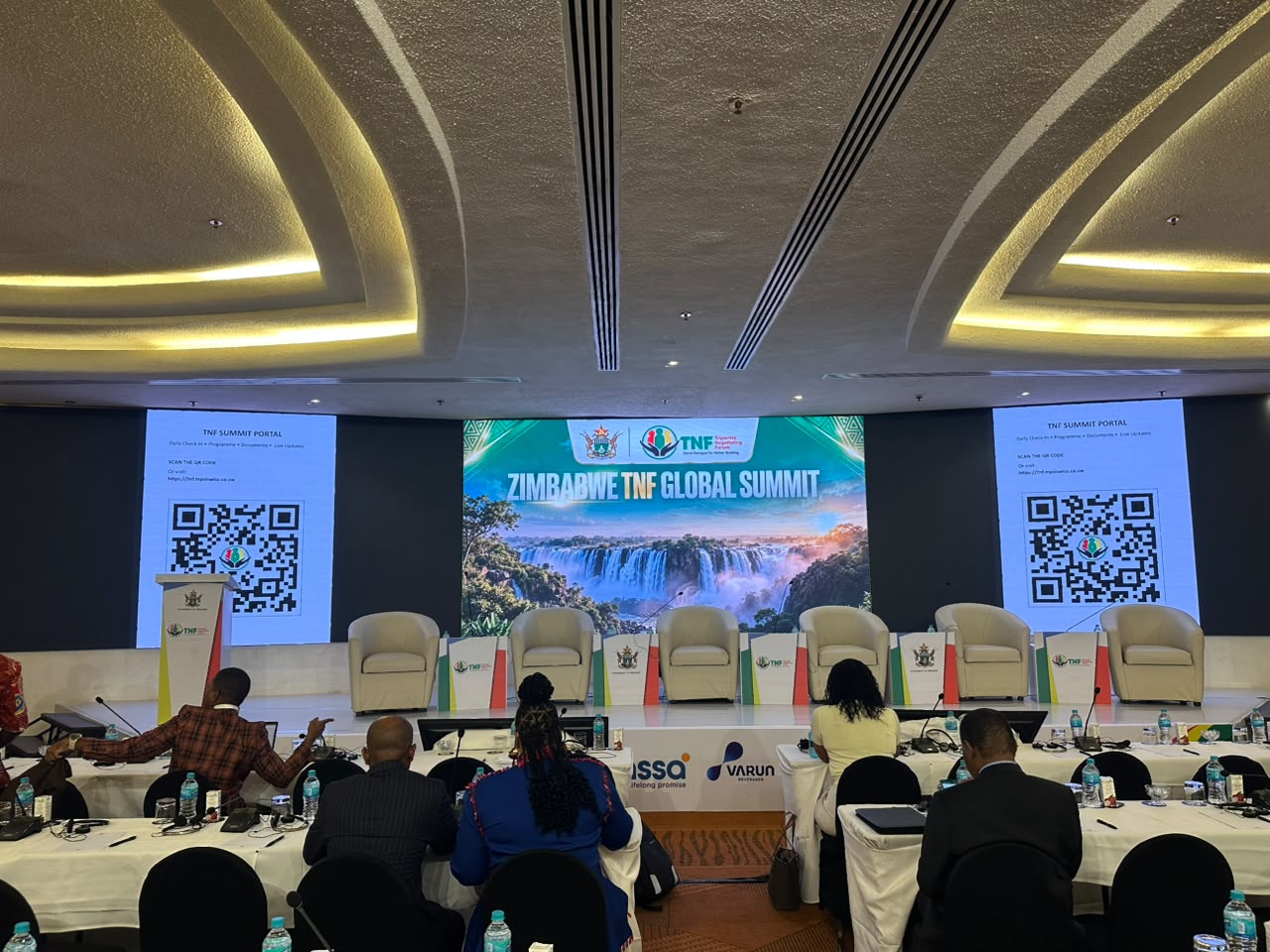
In his remarks during the ongoing Zimbabwe Tripartite Negotiating Forum (TNF) Global Summit in Victoria Falls today, Matshe said, “the first is the Targeted Finance Facility, which has a cap of interest rates of 25 percent, but this doesn’t mean that banks should charge 25 percent. They should charge up to 25 percent because they are getting this financing at 15 percent,”.
The Deputy Governor challenged banks to play a greater role in translating monetary policy interventions into economic activity.
“Banks play a significant role in translating monetary policy interventions into economic activity by ensuring that available financing reaches businesses capable of expanding production, creating employment and contributing to economic growth,” he added
Matshe also stressed the importance of the Zimbabwe Gold (ZiG) in supporting domestic economic activity.
“The currency in intended to serve as a medium of transaction and contribute to economic growth,” the Deputy Governor noted.
Meanwhile, Congress of South African Trade Unions (COSATU) president Zingiswa Losi called for Zimbabwe and South Africa to address the economic conditions driving migration between the two countries, arguing that tighter border controls alone would not resolve migration pressures.
“Zimbabwe and South Africa need to confront push factors forcing people to seek opportunities elsewhere, including the cost of travel documentation and limited economic opportunities,” she said.
She called for political will among SADC countries to advance a regional migration framework.
“There is need for political will for SADC leaders to sign the migration protocol so that free movement of people is addressed alongside free movement of goods under the African Continental Free Trade Area,” Losi noted
Meanwhile, the summit’s broader discussions are also examining how social dialogue can move from consensus-building to implementation, with participants stressing the need for political commitment, accountability and mechanisms to monitor agreed outcomes.