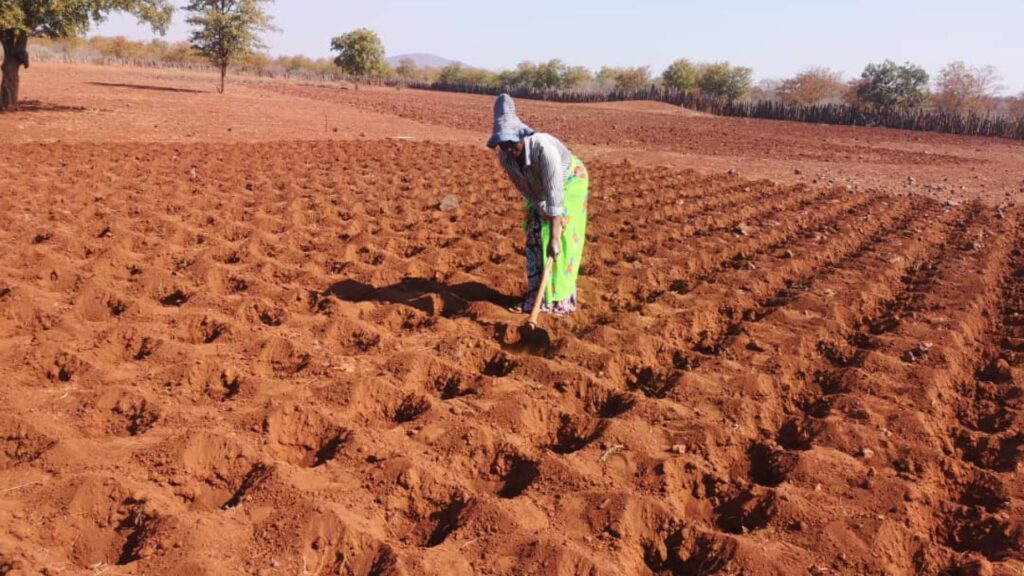
Matabeleland South is intensifying preparations for the 2026/27 summer cropping season, with the province prioritising irrigation development, livestock protection and climate-smart Pfumvudza/Intwasa production to cushion communities against the anticipated impact of a Super El Niño.
The preparations come as the Meteorological Services Department (MSD) and international climate agencies forecast a challenging rainfall season, characterised by changing rainfall patterns across the country.
Ironically, Gwanda received heavy rains on Tuesday, September 29, highlighting the increasingly unpredictable nature of weather patterns.
Chief Meteorological Services Officer Rogers Munyira said the province could receive normal to above-normal rainfall at the beginning of the season before conditions deteriorate later.
“We are going to have rains pretty much in December and at that time most of the districts in Matabeleland South will receive normal and above-normal rains, but as the season goes it will then become normal to below normal,” he said.
The forecast has prompted Government, farmer organisations and agricultural technocrats to adopt early interventions aimed at protecting food production and livestock.
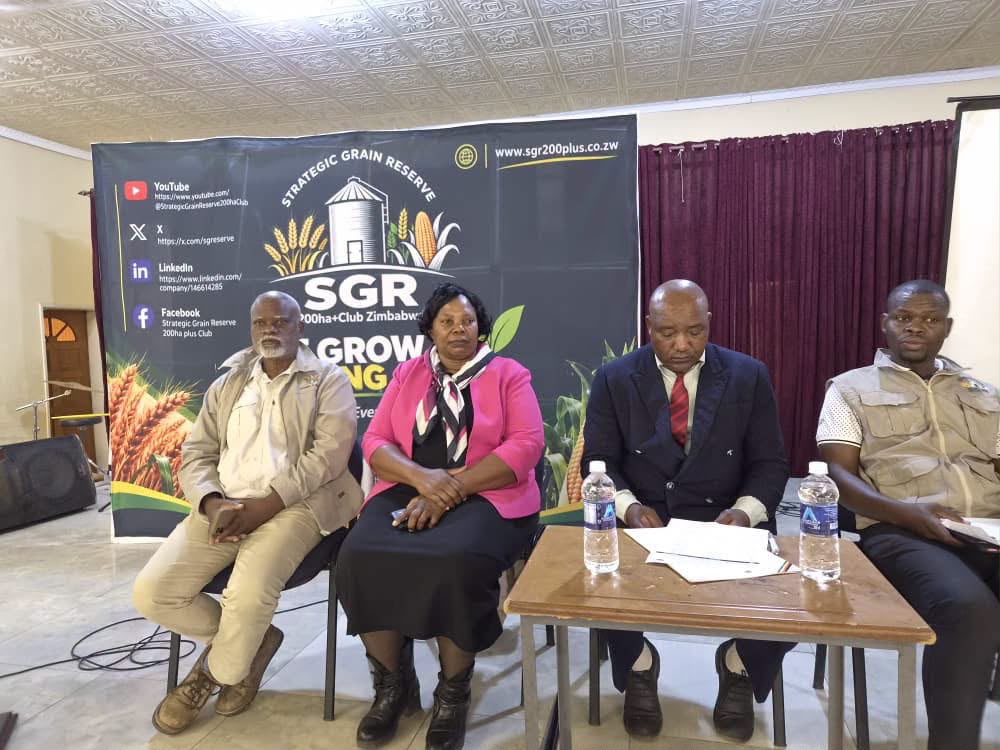
Strategic Grain Reserve 200ha+ Club Zimbabwe representative Tichaona Mapfoche urged farmers to select drought-tolerant crop varieties while strengthening knowledge-sharing through mentorship programmes and field days.
“We want to encourage farmers to heed the Government’s call to plant varieties that will withstand the coming El Niño. We are complementing the Government through providing mentorship programmes and field days,” he said.
The province is also accelerating irrigation development as a key buffer against unreliable rainfall.
Provincial Irrigation Engineer Shepherd Mupotegwa said work was underway to protect livestock and restore irrigation infrastructure ahead of the cropping season.
“We have started constructing water troughs in Gwanda South, so that our cattle do not die. We are rehabilitating more than five schemes that will be ready before the commencement of the season,” he said.
Matabeleland South is targeting 5 810 hectares of cereals under irrigation, which will complement Pfumvudza/Intwasa production in dryland areas.
Provincial Director in the Ministry of Agriculture, Mechanisation and Water Resources Development Shupikai Sibanda said the province needed a coordinated response to avoid food insecurity.
“We need to work together so that our province does not become food insecure. The rains we are receiving now will enable us to upscale and prepare Pfumvudza plots; the El Niño is not something new; the issue is that the frequency now calls us to be innovative,” she said.
Deputy Director for Business Development Tichawona Mudzviti called for greater water conservation, irrigation expansion, livestock protection and community engagement.
He also urged farmers to match crop varieties with the ecological conditions of their areas to improve resilience.
The preparations are in line with the Government’s broader strategy to strengthen climate resilience and safeguard national food security, with farmers being encouraged to adopt ecological matching of crops and other climate-smart farming practices ahead of the 2026/27 summer cropping season.