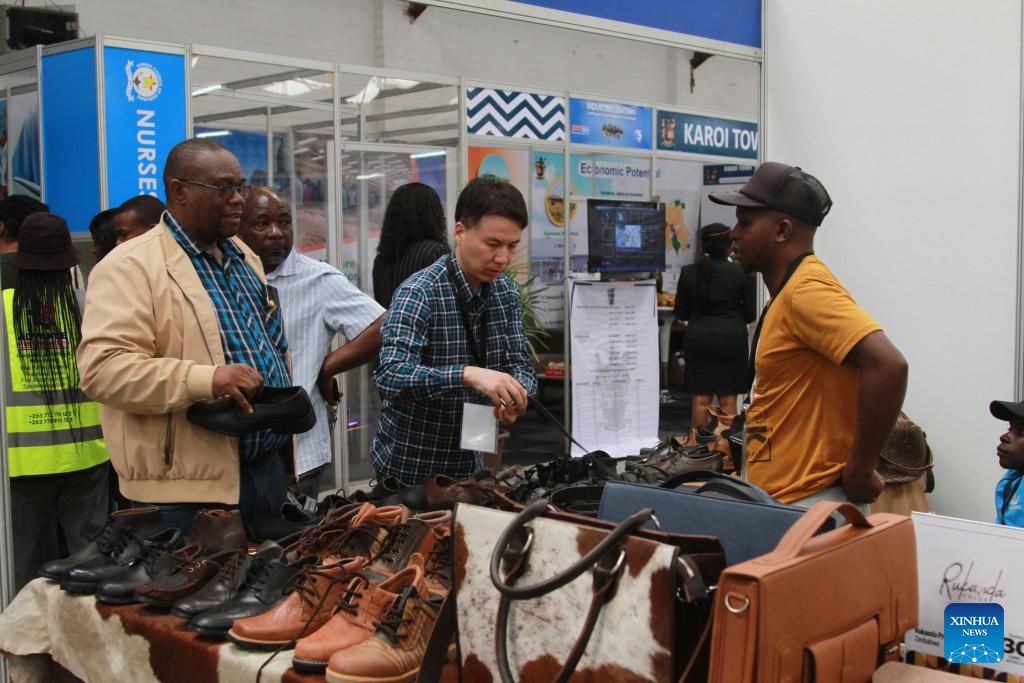
COMESA – The Zimbabwe Leather Development Council (LDC) has called for restrictions on footwear imports, possibly a presidential decree compelling uniformed forces to purchase locally manufactured shoes, as the industry seeks to revive domestic production and protect jobs.
LDC Chief Executive Officer, Clement Shoko, said Zimbabwe could emulate Kenya, where President William Ruto directed Kenya’s uniformed forces to procure locally produced footwear.
“It would be in the industry’s best interest to introduce import restrictions. Following Kenya’s example, where the Kenya Defence Forces, National Police Service and Kenya Prisons Service were directed to procure locally manufactured footwear,” said Shoko.
He said the Kenyan initiative had yielded positive results, helping to revive the country’s leather industry.
“Such a restriction could provide local manufacturers with a predictable market, potentially supporting capacity utilisation, employment creation and investment in domestic production,” he said.
The call comes as Zimbabwe’s footwear manufacturing industry continues to decline with annual production falling from approximately 17 million pairs in 2000 to 1.5 million pairs in 2025, against national demand estimated at 14 million pairs.
“The decline has also coincided with the closure of major footwear manufacturers and tanneries, with surviving companies operating at below 20% of their installed capacity,” he said.
Shoko said the industry was also losing value through the export of raw leather, with a significant proportion reportedly destined for Nigeria instead of being processed locally into finished products.
He argued that restricting footwear imports, particularly through public procurement, could help create demand for locally manufactured products and support the recovery of domestic producers.
Shoko also called for a gradual and balanced approach to the transition towards a circular economy and economic liberalisation, arguing that domestic industries needed room to recover and strengthen their competitiveness.
Reviving the leather value chain would enable Zimbabwe to retain more value from its raw materials through local processing and manufacturing, while reducing reliance on imported finished footwear and supporting broader industrial development.