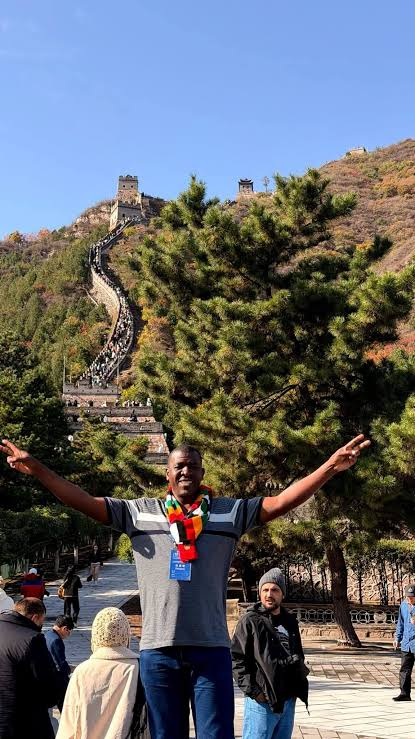
The Great Wall of China has offered lessons in resilience, sacrifice and nation building to media leaders from 13 countries attending a two-week seminar for heads of journalists’ organisations and Gen Z media youth leaders from Belt and Road countries.
Among the delegates visiting the historic landmark was Varakashi4ED national vice-chairman, Mairosi Watungwa, who said the monument’s history of perseverance and collective determination resonated with Zimbabwe’s liberation struggle and its ongoing development aspirations.
Stretching approximately 21 196 kilometres, the Great Wall was constructed over more than two millennia and stands as one of the world’s most enduring symbols of human ingenuity, perseverance and collective effort. The landmark is also a major tourist attraction, drawing millions of visitors from around the world.
Watungwa said the Great Wall demonstrated how a nation’s determination and commitment could overcome adversity and shape its destiny across generations.
“The Great Wall tells you something profound about China. A nation that could summon the discipline and collective will to build such an extraordinary monument over generations was never going to surrender its destiny to adversity.
“As Zimbabweans, that story speaks directly to us because our freedom was also born out of sacrifice, endurance and an unbreakable determination to triumph against overwhelming odds,” he said.
Zimbabwe’s historical ties with China date back to the country’s liberation struggle, when Beijing provided military training to cadres fighting against colonial rule.
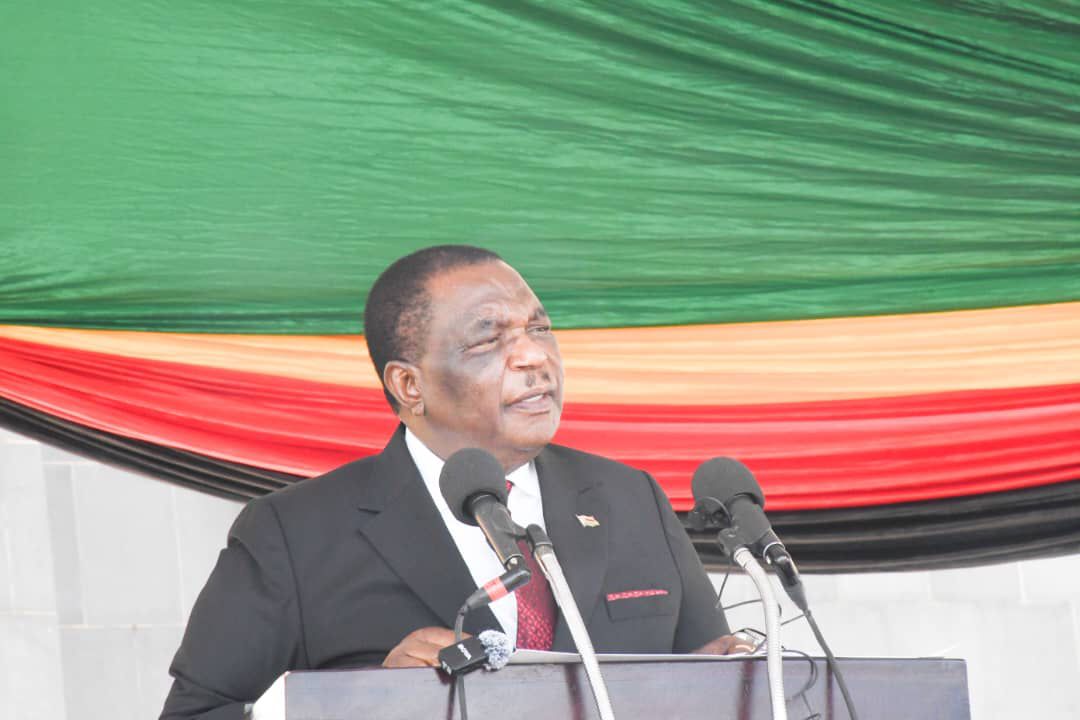
President Emmerson Mnangagwa was among the first group of five ZANU recruits sent to China on 22 September 1963, for six months of military science training at the Nanjing Army Command College in Jiangsu Province. He is reportedly the only surviving member of that group.
Other Zimbabwean liberation figures who received military training in China included Herbert Chitepo, former President Robert Mugabe, Josiah Magama Tongogara and the late General Solomon Mujuru.
The historical ties between the two countries have continued beyond the liberation struggle, with cooperation extending into economic development, infrastructure, trade and other strategic sectors.
The resilience associated with China’s development experience also resonates with Zimbabwe’s ongoing economic transformation under the Second Republic.
Zimbabwe’s economy has expanded from an estimated US$16 billion in 2017 to US$66 billion in 2026, as the Government pursues its Vision 2030 ambition of attaining an upper-middle-income economy status.
Furthermore, the seminar provides a platform for media leaders and young journalists from Belt and Road countries to exchange experiences and strengthen professional and institutional ties, while exploring perspectives on development, leadership and international cooperation.