Farmers in Mwenezi, Masvingo Province, are turning agricultural production into income-generating businesses through value addition, horticulture and poultry production, while strengthening household food security and community resilience.
According to the Ministry of Lands, Agriculture, Fisheries, Water and Rural Development, the initiatives are being implemented under the second phase of the Zimbabwe Resilience Building Fund (ZRBF 2), a Government-led programme supported by the European Union (EU) and the Government of Ireland in partnership with the United Nations Development Programme (UNDP) and the Food and Agriculture Organization of the United Nations (FAO).
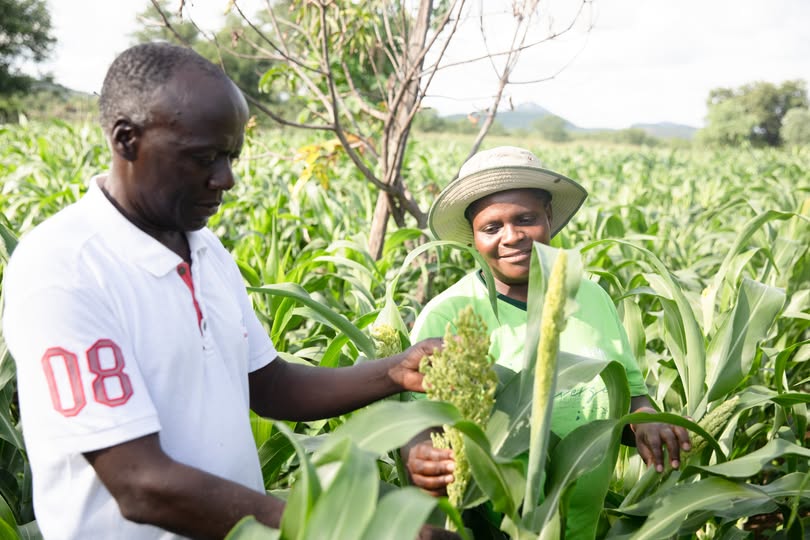
“At Masogwe Business Unit, farmers are growing small grains and processing them into mealie-meal and livestock feed, creating opportunities to earn more from their produce by moving beyond the sale of unprocessed crops,” the Ministry said.
The value-addition initiative is helping farmers diversify their products, access wider markets and generate additional income from agricultural activities.
“At Rata Village Business Unit, a nutrition garden is evolving into a village business, with farmers embracing the Government’s call to ‘Farm as a Business.’
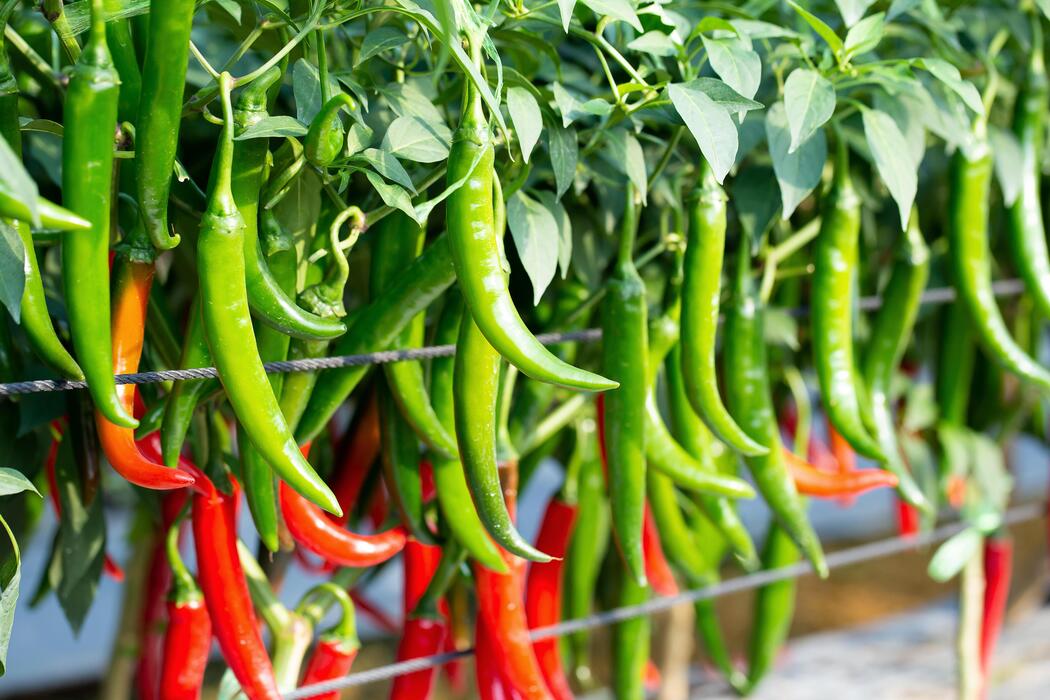
“The farmers are producing tomatoes, cabbages and spinach, while also hatching chicks for sale.
“By supplying nearby schools and other markets, the farmers are creating income opportunities while improving access to nutritious food within their communities,” it said.
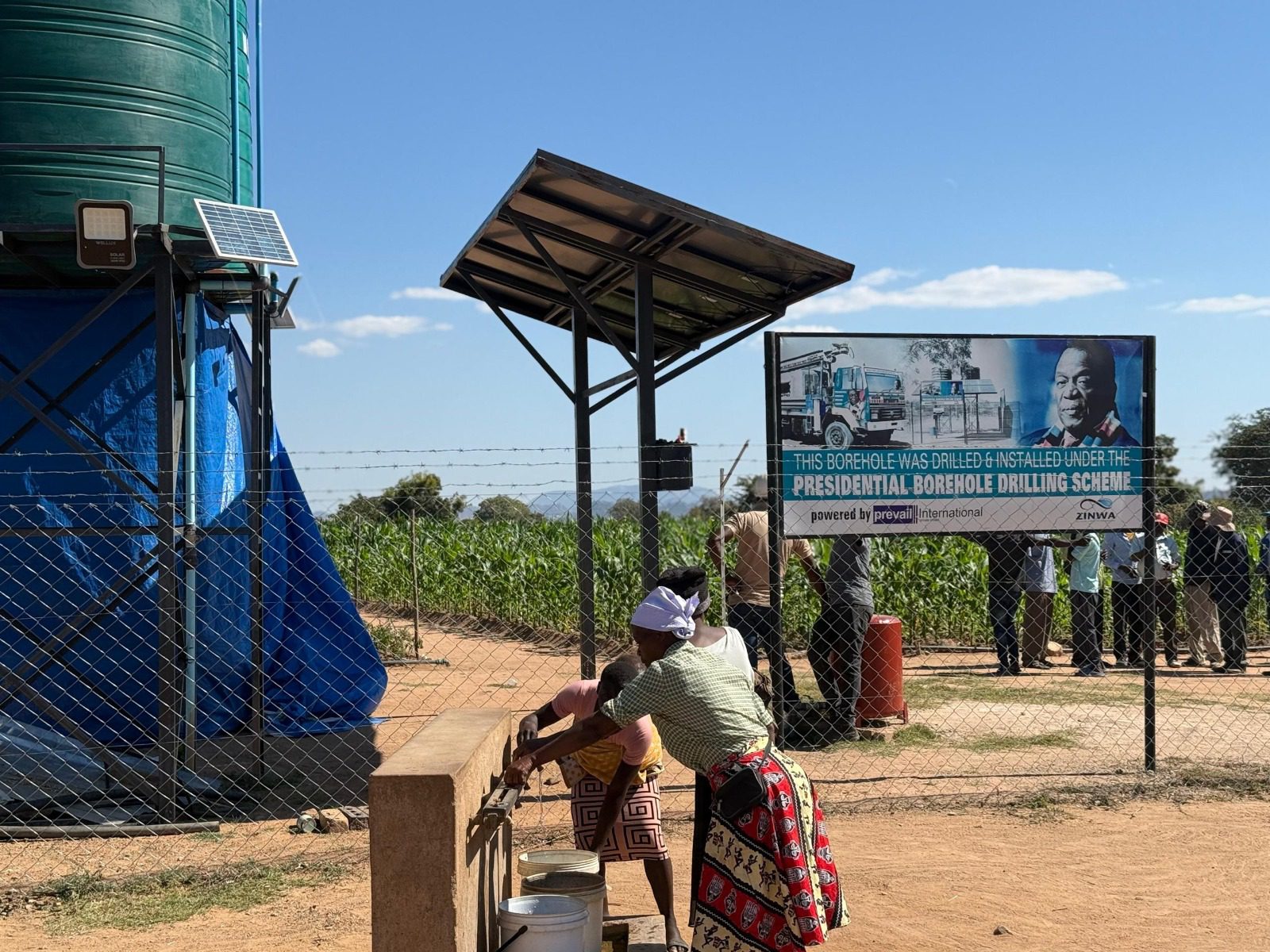
The Ministry said support for a water pump and the repair of a dam was also helping the Rata community sustain agricultural production, particularly amid concerns over possible El Niño-related dry conditions.
Reliable water supplies and efficient water management are critical to maintaining production during dry spells and protecting rural livelihoods against climate-related shocks.
The initiatives form part of broader efforts to strengthen community resilience by promoting climate-smart agricultural practices, value addition and market-oriented production.
Through the ZRBF 2 programme, the Government and its development partners are supporting rural communities to improve food security, diversify income sources and build more sustainable livelihoods.