Government has increased minimum monthly pension benefits administered by the National Social Security Authority (NSSA), with retirement pensioners set to receive at least US$90, up from US$70, while workers affected by occupational injuries and disabilities will now get a minimum of US$130 from US$100.
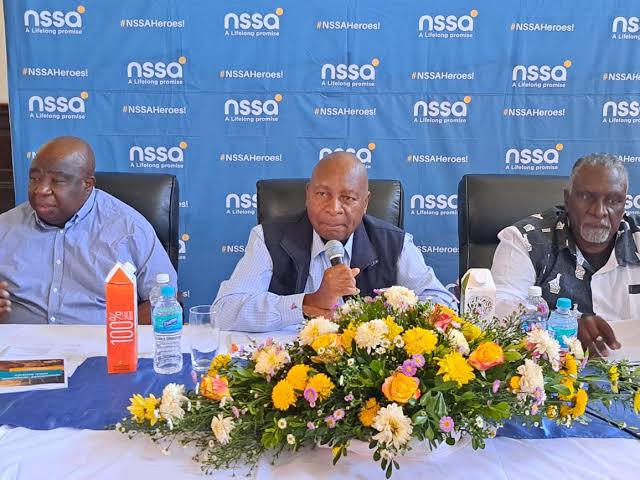
The upward review, announced by Public Service, Labour and Social Welfare Minister, Edgar Moyo during a media briefing in Harare, yesterday and is expected to improve the welfare of thousands of pensioners and workers who depend on social security benefits.
Under the Pension and Other Benefits Scheme, which caters for approximately 262 000 beneficiaries, the minimum monthly retirement pension has been increased by 28,57 percent.
The Accident Prevention and Workers’ Compensation Scheme (APWCS), which supports about 8 000 beneficiaries recovering from workplace injuries or living with occupational disabilities, has also received a 30 percent increase in its minimum monthly benefit, from US$100 to US$130.
Minister Moyo said the adjustments followed a statutory actuarial valuation that established the financial position of NSSA’s funds and provided the basis for Government to approve improved minimum benefits.
The revised payments will be incorporated into the 13 November 2026 payroll, with the increases backdated to October 2026.
“The adjustments demonstrate Government’s recognition of the contributions made by workers throughout their productive lives and the importance of ensuring that retirement and social security benefits provide meaningful support and uphold human dignity,” said Minister Moyo.
He stressed that the improved benefits should be accompanied by prudent management of contributors’ funds to safeguard their value, generate sustainable investment returns and ensure the Authority remains financially capable of meeting its obligations to present and future beneficiaries.
The Minister said NSSA must strengthen its investment management capacity while ensuring that its resources contribute to national economic development without compromising the sustainability of the social security system.
Meanwhile, Government has enacted the Occupational Safety and Health Act No. 7 of 2026, introducing a strengthened legal framework to protect workers from occupational injuries, diseases and workplace fatalities.
The legislation gives effect to the constitutional right to fair and safe labour practices while promoting a preventive approach to occupational hazards through improved compliance, accountability and enforcement.
It defines the obligations of employers, employees and other stakeholders throughout the production and supply chain, including machinery designers, manufacturers, importers, suppliers and distributors.
The Act also strengthens requirements relating to workplace registration, machinery safety and the reporting of occupational accidents and diseases.
To enhance enforcement, the legislation provides for the appointment and powers of inspectors, workplace investigations, the issuance of improvement and prohibition notices, and penalties for breaches of occupational safety and health regulations.
Institutional oversight will be reinforced through the Occupational Safety and Health Department within NSSA, the Medical Bureau of Occupational Diseases and the Zimbabwe Occupational Safety and Health Advisory Council.
The pension increases and new workplace safety legislation represent further steps towards strengthening Zimbabwe’s social protection system, improving conditions of employment and safeguarding the welfare of workers beyond their productive years.
The reforms are aligned with the country’s Vision 2030 development aspirations and the National Development Strategy 2 (NDS2), particularly in advancing human capital development, decent work and inclusive economic growth.