
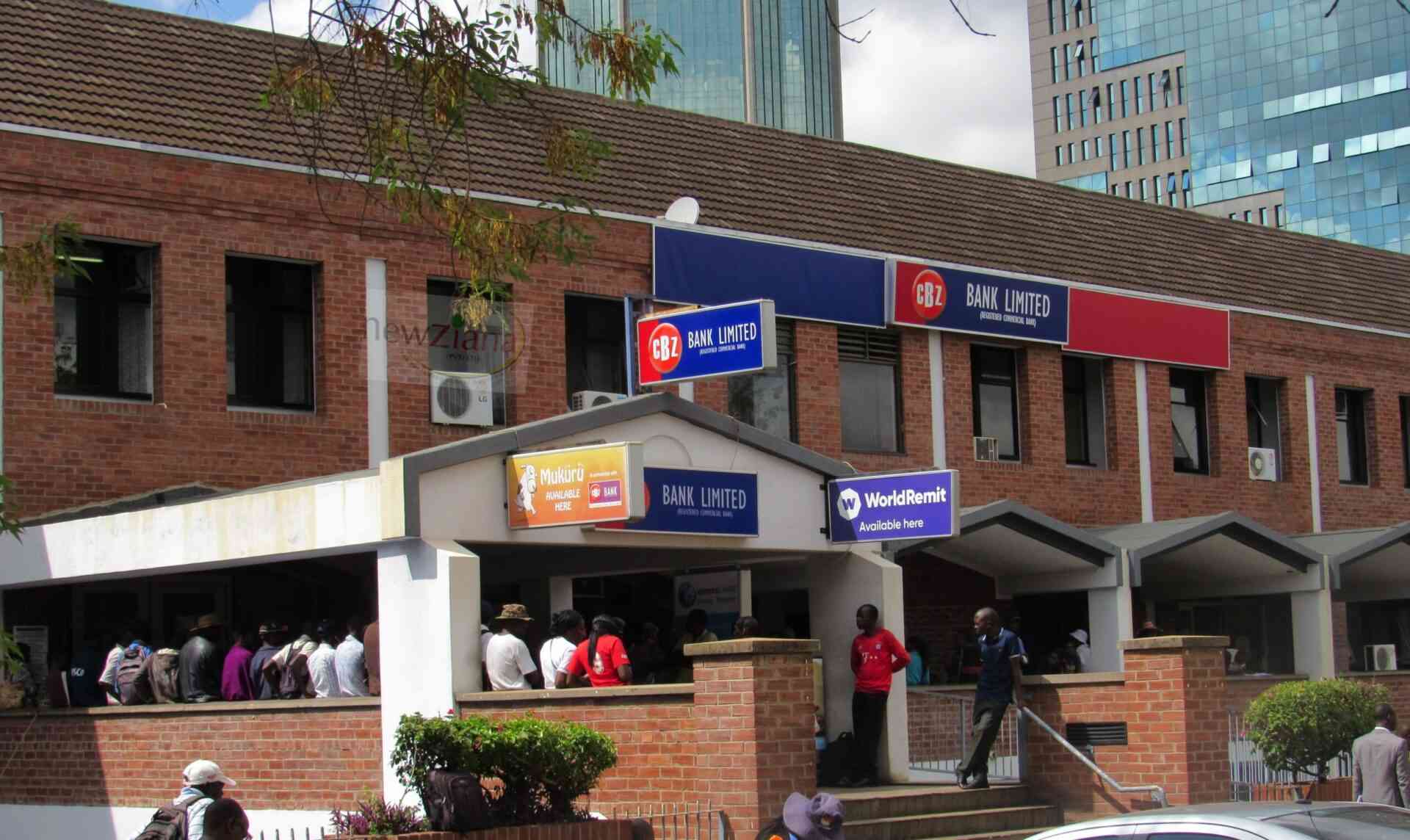
Financial services group CBZ Holdings Limited recorded a profit after tax of ZWG1,12 billion for the nine months ended September 30, 2026, driven by growth in lending, non-funded income and contributions from its diversified business operations.
Presenting the Group’s trading update this week, CBZ Group Chief Legal Counsel and Governance Officer, Rumbidzai Jakanani, said total income reached ZWG4,60 billion, reflecting sustained growth across the Group’s key business segments.
She said the Group’s profit after tax grew by 3,2% in US dollar terms, compared to a 0,9% increase in ZiG terms, with the difference largely attributable to a 2,2% appreciation of the average ZiG exchange rate against the US dollar.
“For the period under review, the Group recorded a profit after tax of ZWG1,12 billion, on a total income of ZWG4,60 billion,” she said.
Jakanani said the financial performance was underpinned by increased lending activity, growth in customer deposits and improved contributions from the Group’s diversified operations.
Funded income rose by 3,5% year-on-year to ZWG1,52 billion, supported by growth in loans and advances, while non-funded income increased by 11% to ZWG3,06 billion, up from ZWG2,75 billion recorded in the comparable period last year.
The Group also recorded a net insurance service result of ZWG27,2 million, double the ZWG13,6 million achieved in the previous year.
However, commission and fee income remained under pressure from regulatory fee caps, prompting the Group to place greater emphasis on expanding lending income and developing alternative revenue streams to sustain earnings growth.
Jakanani said management remained focused on diversifying income sources while maintaining sound capitalisation and liquidity positions to support the Group’s growth ambitions.
She noted that the domestic operating environment remained relatively stable during the third quarter, with easing inflation and exchange-rate stability providing businesses with greater certainty in planning and operations.
Annual ZiG inflation averaged 3,3% during the quarter, down from 4,6% in the second quarter, while annual US dollar inflation averaged 3,2%.
Foreign currency inflows also increased by 34% to US$15,9 billion in the nine months to September 2026, while the country’s reported reserves stood at US$2 billion, equivalent to approximately two months of import cover.
Looking ahead, Jakanani said the Group would continue prioritising market development, increased market share and operational efficiency as it navigates the remainder of the year.
“The outlook for the remainder of 2026 will depend on the continuation of domestic inflation and exchange-rate stability, alongside developments in global financial and commodity markets.
“Market development and increasing market share will remain key priorities of the Group’s business strategy. Cost containment and digital transformation will be central to improving operating efficiency,” she said.