Africa must take bold, science-driven action to overcome hunger, malnutrition, and the growing threats of climate change, Minister of Lands, Agriculture, Fisheries, Water and Rural Development Honourable Dr Anxious Jongwe Masuka has said.
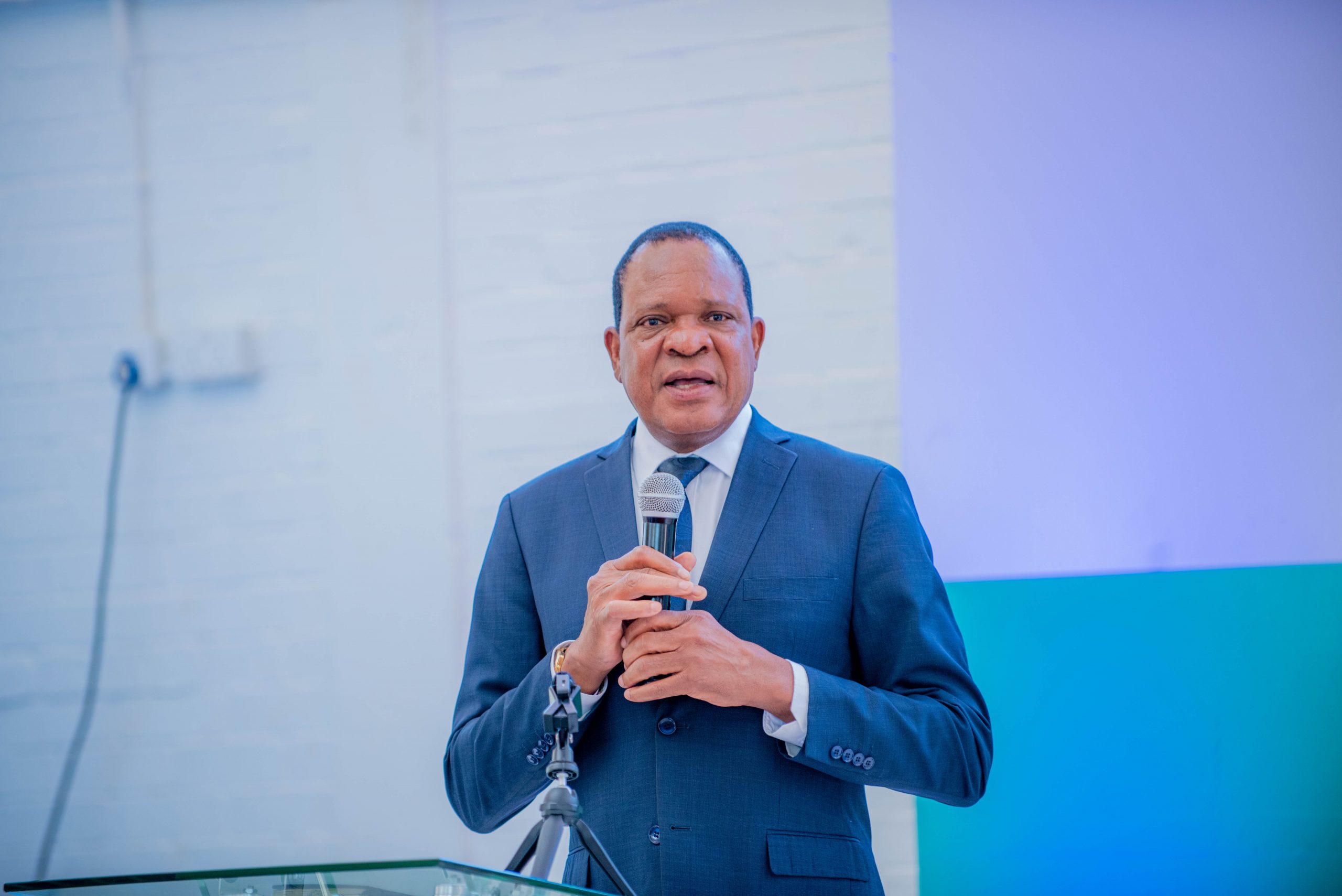
Delivering a keynote address as Guest of Honour at the 4th African Plant Breeders Association (APBA) Conference in Victoria Falls yesterday, Dr Masuka said the time for discussion had passed, and the continent must now move decisively to implement agricultural innovations.
“Africa must breed its way out of hunger and poverty. Through science, innovation, and collaboration, we can secure a food- and nutrition-secure future for generations to come,” he said.
Running under the theme “Winning the Race Against Food Insecurity, Malnutrition, and Climate Change”, the conference comes at a time when climate change is already taking its toll across Africa. The Minister warned that the increasing frequency of droughts, extreme heat, and floods is severely impacting agricultural productivity, threatening food security on a continental scale.
Zimbabwe, he said, is not standing still in the face of these challenges. Dr Masuka outlined Zimbabwe’s Agriculture, Food Systems and Rural Transformation Strategy, which is anchored on the principles of climate-smart agriculture. He noted that under this strategy, the Government is promoting sustainable intensive conservation farming, popularly known as Pfumvudza/Intwasa, and aims to achieve 100% national adoption by 2026.
Equally critical is the country’s effort to match crop varieties with local agro-ecological conditions, ensuring farmers grow crops suited to their specific environments. On irrigation development, the Minister reported significant progress.
“We are accelerating dam construction and irrigation development. Our target is to expand irrigation from 175,000 hectares in 2020 to 496,000 hectares by 2030. Already, 123,000 hectares have been achieved—a 27 percent increase in just five years,” he said.
Dr Masuka called for a renewed focus on plant breeding and crop improvement, led by science and innovation. He emphasised the use of technologies such as artificial intelligence, drones, and citizen science to enhance seed systems and called for the breeding of crops that are both pathogen-resistant and stress-tolerant.
“Let this conference not be another talk shop. Let us act, breed, innovate, and collaborate to transform Africa’s agriculture from vulnerability to viability,” he said.
He urged scientists and policymakers to prioritise three key areas: sustainably increasing agricultural productivity, breeding diverse and nutritious food crops, and driving adaptation and mitigation in the face of climate change.
President of the African Plant Breeders Association, Professor Julia Sibiya, echoed the Minister’s call for action, saying the conference theme was not just a slogan but a shared mission.
“This is not merely a conference theme; it is our collective mission. It speaks to our shared responsibility to shape Africa’s agricultural future through science, innovation, and collaboration,” she said.
Professor Sibiya commended Zimbabwe’s leadership and vision, adding that the APBA sees the country as an active partner in the drive toward agricultural transformation. She noted the impressive growth of the APBA since its inception in 2012, which now includes over 500 scientists from 58 countries working across Africa to influence policy, build capacity, and drive impactful research.
“Honourable Minister Masuka, we see this as the beginning of a new chapter, one where you do not just cheer our scientists from the sidelines but run alongside us in this race against hunger, malnutrition, and climate change. Together, we can, and we will, win the race,” she said.
The APBA2025 Conference attracted over 400 delegates, featured 11 side events, and included powerful partnerships from organisations such as CGIAR, AGRA, SeedCo, WACCI, and leading African universities.
With strong momentum, high-level engagement, and clear commitment, the conference stands as a rallying point for science-led, African-owned solutions to build a resilient, food- and nutrition-secure continent.