
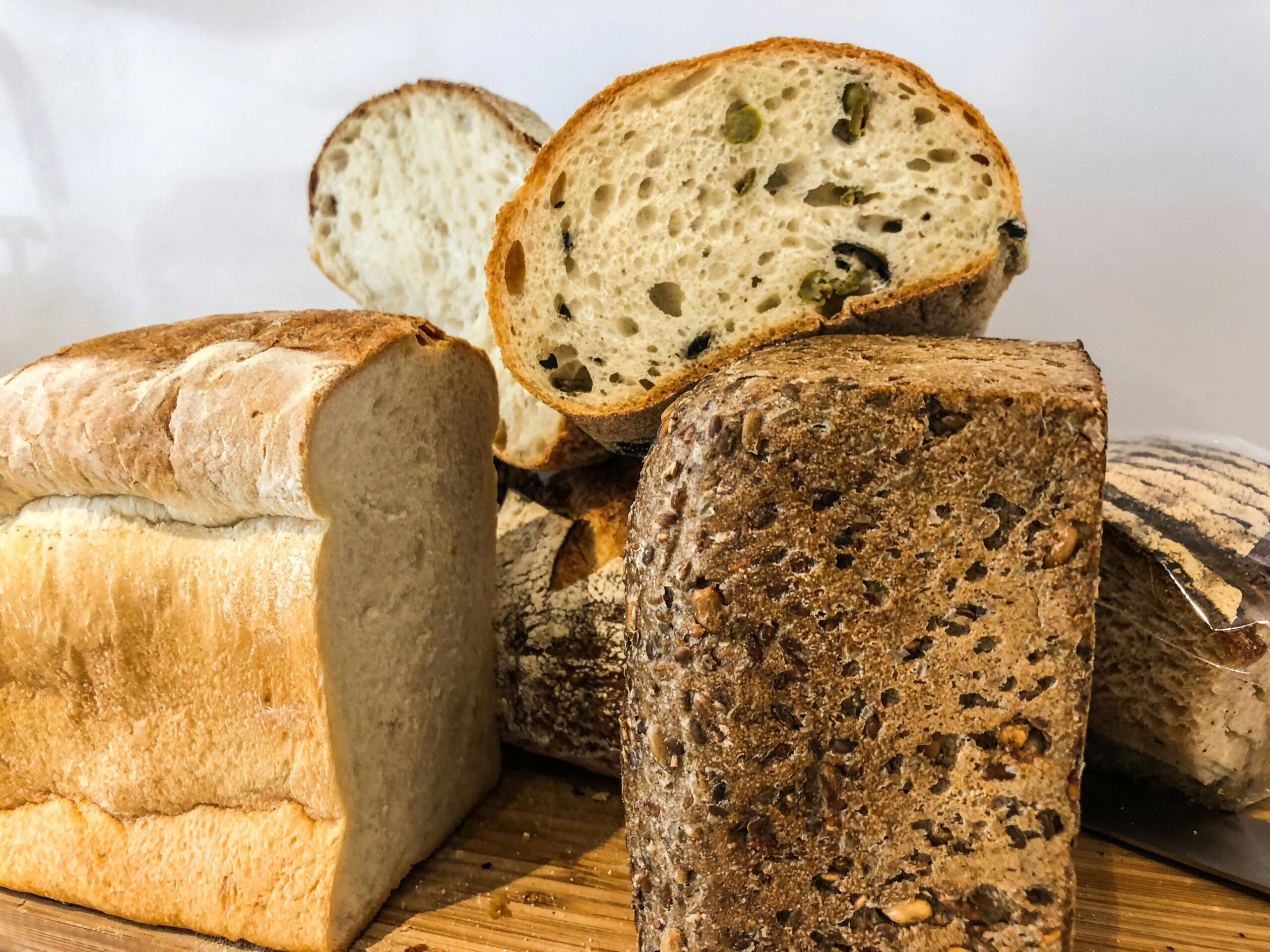
Government has dismissed reports suggesting an imminent rise in bread prices, clarifying that Statutory Instrument (S.I.) 87 of 2025 does not introduce any new levy on flour or wheat imports. The clarification follows widespread speculation that the new regulation would increase flour costs and trigger bread price hikes.
In an interview with the media in Mutare, Permanent Secretary in the Ministry of Lands, Agriculture, Fisheries, Water and Rural Development, Professor Obert Jiri, explained that the levy introduced under S.I. 87 applies exclusively to maize imports.
“S.I. 87 of 2025 allows the importation of grains by agro-processors, millers, and stock feed manufacturers. However, it also seeks to protect local farmers by ensuring they have reliable markets for their produce,” said Prof. Jiri.
He elaborated that the regulation imposes a US$10 per metric tonne levy on maize imports, payable upon application by agro-processors. The levy, he stressed, does not apply to wheat, flour, or other grains such as soya beans.
“At present, the importation of wheat remains unaffected and is still free of charge. So, there should be no concerns about any impact on flour or bread prices. The S.I. is purely directed at maize imports,” he clarified.
His remarks were echoed by Mega Market Managing Director, Ahmed Muhammad Shiraan, one of Mutare’s leading millers, who confirmed that the policy does not target wheat imports.
“In a statement by the Agricultural Marketing Authority (AMA), it was made clear that the US$10 per tonne levy only applies to maize. The matter is no longer ambiguous, and we expect prices of both flour and bread to remain stable,” said Shiraan.
He further noted that while maize imports now attract a levy, global market prices for maize have recently dropped by a comparable margin, offsetting any potential price hikes for mealie meal.
“We do not anticipate any increase in bread or mealie meal prices. The market will remain stable,” he added.
Government clarification has brought relief to consumers, who had expressed concern over possible increases in the cost of bread, a staple food in most Zimbabwean households.
As the nation continues its efforts to stabilise prices of basic commodities and strengthen food security, the Ministry reaffirmed its commitment to maintaining affordability and supporting both consumers and local farmers through balanced agricultural policies.
In essence, S.I. 87 of 2025 is not a bread or flour tax but it is a targeted measure to manage maize imports while safeguarding local production and ensuring market stability.