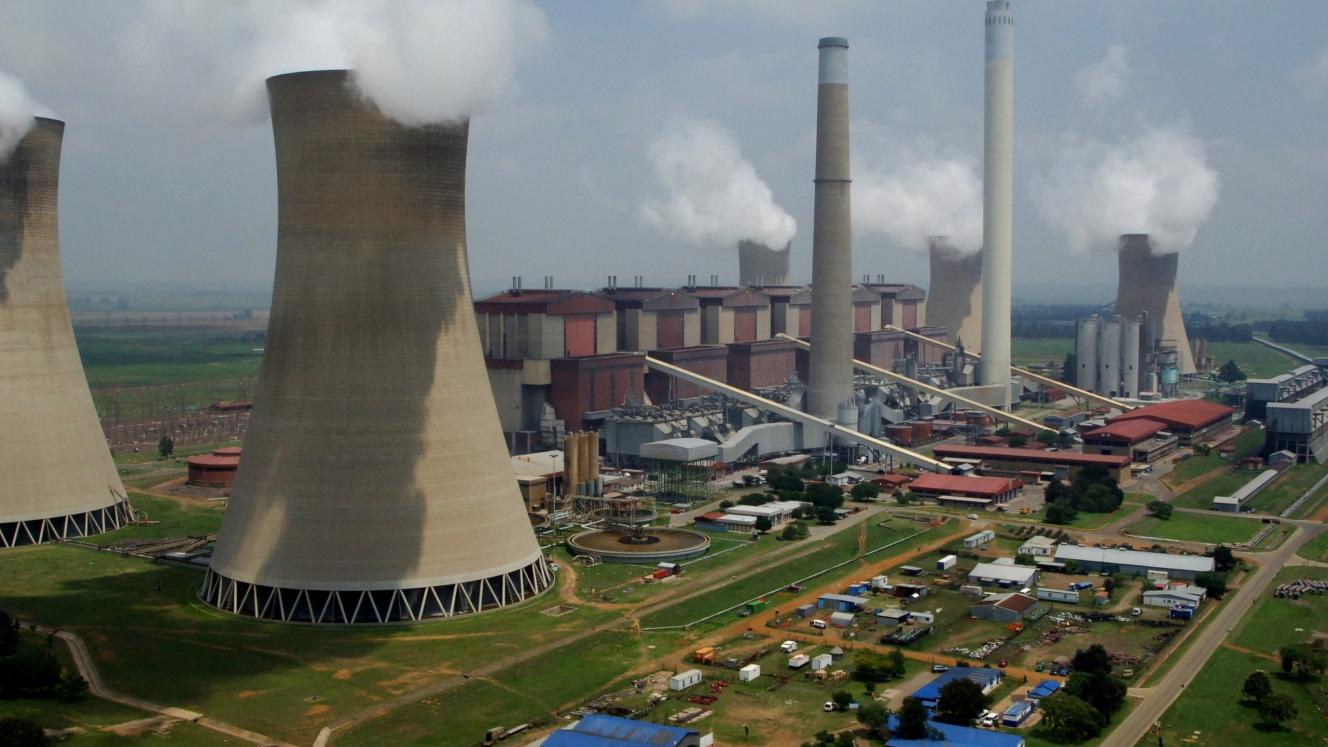
Zimbabwe’s quest for long-term energy security has received a fresh boost, with Zesa Holdings outlining an ambitious plan to develop four new power generation units as part of its comprehensive expansion strategy. The plan, revealed during an oversight visit recently by the Parliamentary Portfolio Committee on Energy and Power Development to Hwange Thermal Power Station, signals a significant step toward strengthening national electricity capacity and modernising the country’s energy landscape.
The legislators’ visit allowed them to assess not only the progress of ongoing projects but also Zesa’s future preparedness in meeting the country’s rising power demands. The recent commissioning of Units 7 and 8 has already injected much-needed power into the national grid, easing load pressures and stabilising supply in many communities. However, the growing appetite from both the industrial and domestic sectors has created a pressing need for continued investment and expansion.
Zesa Holdings Group Acting Chief Executive Officer, Engineer Cleopas Nyachowe, revealed that the new units, tentatively referred to as Hwange Units 9, 10, 11 and 12 will form part of a wider plan to diversify Zimbabwe’s energy mix. While Hwange remains an anchor for thermal power generation due to abundant coal reserves in regions such as Binga, the new units may be distributed across different locations to optimise output and resource availability.
“We are calling them Hwange 9, 10, 11, and 12, but they may not necessarily be based around this area. You know this region is rich in coal here in Binga and other areas, but most likely Hwange 9 and 10 will be closer to this location, and 11 and 12 will be in another area. So this is an initiative that we are pushing, of course, together with green energy initiatives like solar and geothermal, which are also prominent around this place,” Nyachowe explained.
His remarks underscore the Second Republic’s broader commitment to energy diversification. Beyond thermal projects, Zimbabwe is scaling up investments in solar fields, hydropower rehabilitation, and emerging geothermal ventures. These efforts are not only geared toward boosting national generation capacity but also ensuring cleaner, more sustainable energy solutions in line with global trends.
With the 2026 national budget on the horizon, the Portfolio Committee emphasised its keen interest in fully understanding ZESA’s operational needs and investment requirements. As a capital-intensive enterprise, the power utility requires significant long-term financing to fulfill its mandate and sustain momentum on major infrastructure projects.
As Zimbabwe continues to expand thermal, hydro, solar, and alternative energy projects under the Second Republic, the roadmap outlined by Zesa marks a bold step toward energy self-sufficiency. The planned additional units stand to position the nation for stronger industrial growth, improved service delivery, and a more resilient national grid.