Zimbabwe is strengthening its agricultural transformation agenda following a detailed Cabinet update on the 2024/2025 summer crop marketing season, 2025 winter crop production, and the 2025/2026 summer season plan.
The review comes as Government intensifies efforts to secure food sovereignty and deliver on Vision 2030 targets.
Speaking during a post-Cabinet media briefing, this Tuesday, in Harare, Minister of Information, Publicity and Broadcasting Services, Dr Jenfan Muswere, confirmed that the country’s overall food security remains stable.
“The Second Round of Crop, Livestock and Fisheries Assessment of 12 April 2024 indicated that there was adequate grain at national level.As of 17 November 2025, grain stocks at the Grain Marketing Board (GMB) stood at 178 316 metric tonnes, with ARDA contributing 91 792 metric tonnes. Although this represents less than 10 percent of national intake, the Government says supply remains secure.
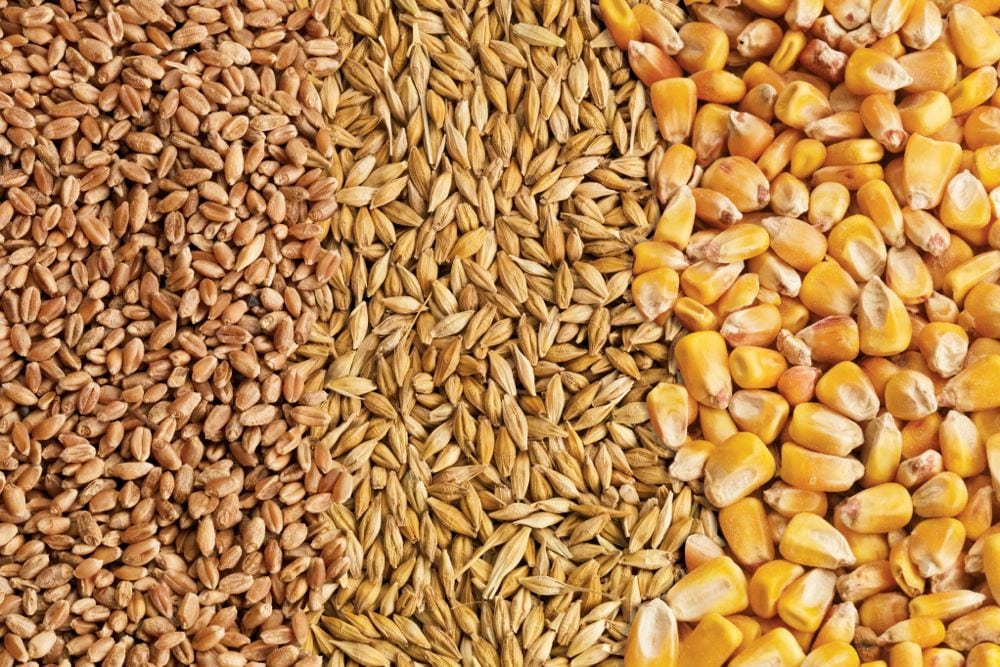
“The winter crop season recorded strong performance. A total of 640 195 metric tonnes of wheat were harvested from 122 146 hectares, averaging 5.2 tonnes per hectare. Barley production also remained solid, with 47 709 metric tonnes harvested from 6 156 hectares,” explained Dr Muswere.
Dr Muswere noted, “The distribution of inputs for the coming summer season is progressing well across provinces.”
As of 12 November 2025, tobacco plantings had reached 35 929 hectares, a 6 percent increase from last year. Export earnings remained robust, with 190 million kilogrammes valued at US$1.06 billion exported by mid-November.
“The sector continues to show resilience, with higher value realised despite marginally lower volumes,” he said.
Furthermore, Dr Muswere highlighted that the cabinet also unveiled the Agriculture, Food Systems and Rural Transformation Strategy 2: 2026–2030, the successor to the 2020–2025 plan. The roadmap is aligned with the National Development Strategy 2 and uses a food systems and value chain approach.
“The new strategy is designed to promote food security, nutrition, improved livelihoods, and agriculture-led economic growth,” Dr Muswere said.
The plan is built around ten strategic pillars, including climate resilience, rural industrialisation, investment and financing, market development, and modernisation.
With the new strategy in place, Zimbabwe aims to become a “food-, feed-, bio-oils- and bio-fuels-secure agro-industrial hub by 2030.