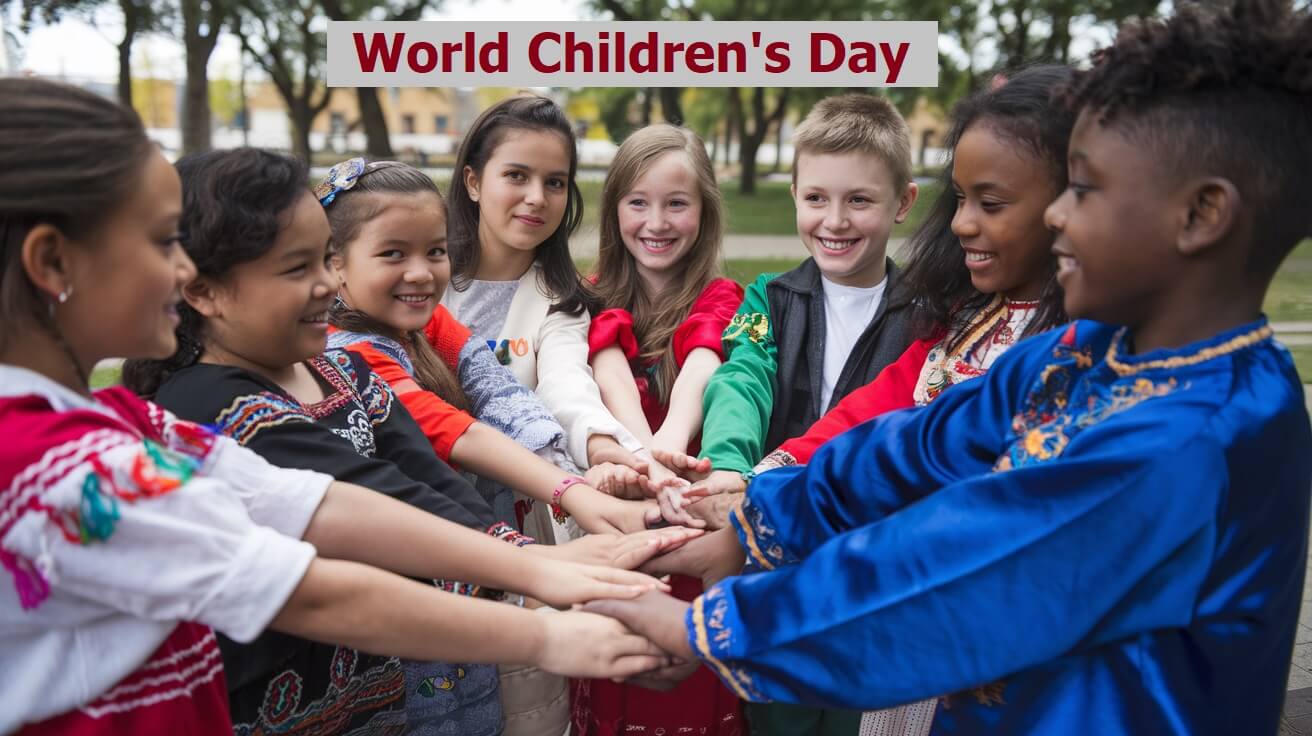
As nations observe the World Children’s Day today, Zimbabweans and the global community should pause not only to reflect on the challenges facing children, but to celebrate the strides this country has made and to recommit to doing more.
In a difficult era marked by climate shocks, economic pressure, and persistent social inequalities, children in Zimbabwe are continuing to demonstrate resilience and hope. But their future depends on how we build on the momentum.
One of the most encouraging developments in recent years is Zimbabwe’s growing commitment to foundational education. In June 2025, the country launched the “Read, Write, Count Foundation4Life” campaign, which is part of the African Union–UNICEF-backed End Learning Poverty for All in Africa initiative.
This campaign isn’t just about access it’s about equity and quality, pushing for every child, whether in Harare or a remote rural community, to master the essential skills of literacy and numeracy by age 10.
At the same time, UNICEF’s 2024 Annual Report for Zimbabwe shows important progress on several fronts.
Eight new child-related laws were enacted to strengthen protection systems, more children received legal identity through birth registration, and education access was improved through solar-powered schools and digital learning pilot programmes. These are more than symbolic steps, they open real doors for vulnerable children.
In child protection, UNICEF’s programmes are delivering. In 2024, over 27 000 children accessed protection services through Zimbabwe’s National Case Management System, and more than 117 000 children and adolescents benefited from community-based mental health and psychosocial support.
These interventions especially in rural and climate-affected areas give children who have experienced trauma a bridge to healing and stability.
Traditional leaders are also more involved. More than 5 700 village heads, headmen, and chiefs have been trained in actively notifying births and deaths in their communities, helping thousands of children gain official identity and access to essential services. This kind of localisation of child-rights work shows that deep social change is possible.
Health and nutrition are not being ignored. UNICEF, in partnership with Zimbabwe’s Government and communities, has scaled up immunisation, emergency nutrition support, and water, sanitation, and hygiene (WASH) programmes especially in cholera-affected zones. A recent UNICEF/WFP study also highlights how integrated school health programmes are reaching children with both education and nutrition support.
Politically, the government has declared child welfare a priority. President Mnangagwa recently reaffirmed this, noting that more than 1.5 million vulnerable children now benefit from the Basic Education Assistance Module (BEAM), and the National School Feeding Programme has been expanded in drought-prone districts. Such commitments translate into real social value by keeping children in school and fed. The State is therefore investing in its long-term future.
However, World Children’s Day must also be an opportunity to reflect on the road ahead. There remain serious challenges: child labour, violent discipline, low birth registration in some areas, and resource constraints in social services continue to weigh heavily. But rather than seeing these as failures, they can be framed as gaps to close, and not burdens to avoid.
The strength of Zimbabwe’s progress is not just in the numbers, it is in the partnerships. UNICEF’s work is deeply integrated with Government systems, local communities, traditional leaders, and international institutions. This broad collaboration is vital: when everyone is invested in children, policies are more sustainable, programmes more responsive, and impact more deeply rooted.
On this World Children’s Day, we should lean into that spirit of partnership. Let us encourage the Government to continue scaling up early childhood programmes, strengthen social protection, and invest in inclusive education especially for children with disabilities and those in hard-to-reach rural areas.
Communities should support platforms like the Junior Parliament to amplify children’s voices in decision-making. Donors and international partners should sustain their commitments to child-focused sectors, even in times of economic uncertainty.
But above all, let us celebrate what Zimbabwe’s children are already achieving. Whether they are participating in child parliaments, contributing to climate advocacy, or simply learning to read under the light of a solar-powered school, they are not just the future. They are active and powerful agents of change today.
World Children’s Day is therefore not just a reminder of what remains to be done. It is a testament to what Zimbabwe is capable of, and a call to renew our promise to build a world where every child, no matter their background or circumstance, has the opportunity to learn, grow, and thrive.