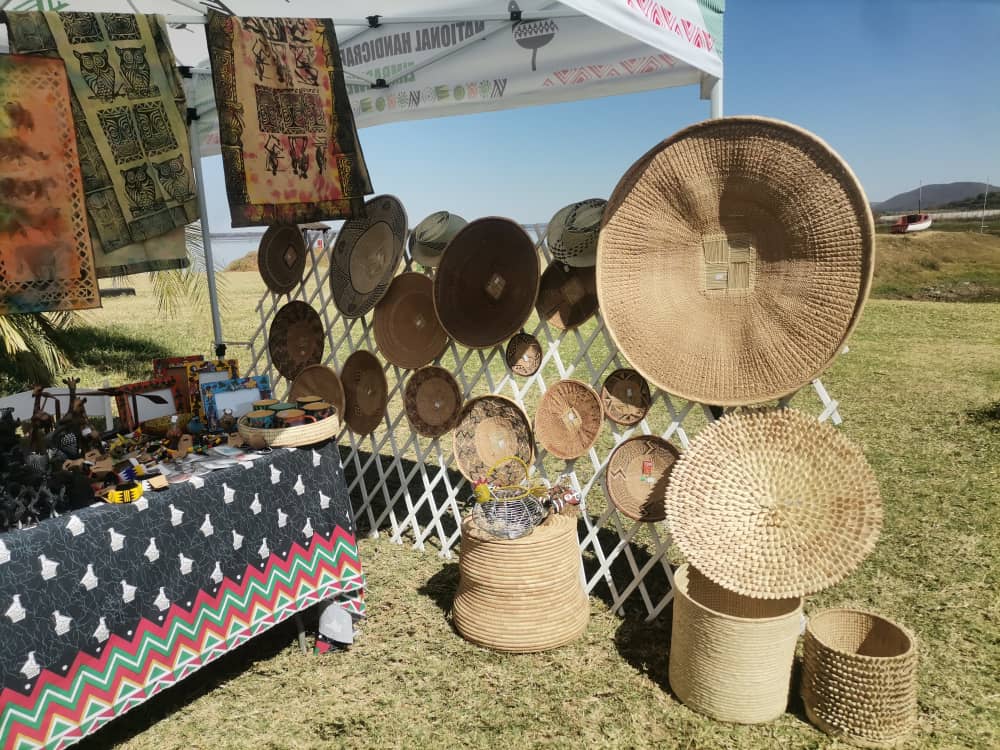
Zimbabwe is sharpening its competitive edge in the continental creative economy, emerging as one of the leading African nations committed to liberalising the cultural and creative industries under the African Continental Free Trade Area (AfCFTA). As one of only 25 countries that have submitted schedules of commitments under the AfCFTA Protocol on Trade in Services, Zimbabwe has opened the door for its artists, cultural practitioners, filmmakers, designers, and tourism players to participate more freely in Africa’s expanding creative marketplace.
According to the Director of Trade in Services, Investment, Intellectual Property Rights and Digital Trade at the AfCFTA Secretariat, Ms Emily Mburu-Ndoria, Zimbabwe’s readiness to engage fully under the protocol marks a significant milestone for the continent’s creative future.
“Under the AfCFTA, we have the protocol on trading services where the creatives, tourism and cultural services industries fall under. Countries have committed to liberalise trade in services, and Zimbabwe is one of them. Zimbabwe is among the 25 countries that have already given the schedules of commitment to liberalise the sector,” she explained.
This commitment creates new avenues for Zimbabwean creatives to sell their work, collaborate across borders, and access a larger continental audience. It also aligns neatly with the Second Republic’s broader economic transformation agenda, which views the arts and creative industries as strategic contributors to national development and regional integration.
Industry leaders agree that Zimbabwe has an inspiring cultural story to share with Africa and the world. Africa Tourism Partners CEO, Mr Kwakye Donkor, noted that Zimbabwe’s creative influence, grounded in a rich artistic heritage, already serves as a model for other nations.
“I believe that the narrative of Zimbabwe can be shared with the rest of Africa for them to learn. Taking the example of Oliver Mtukudzi he has been revered across the continent. Many musicians and filmmakers can tap into similar opportunities. We even brought a young Zimbabwean filmmaker to share his experience because each country’s journey is different, and the more we share, the better we all become,” he said.
Zimbabwe’s proactive stance under AfCFTA reinforces its Vision 2030 objective of building a vibrant, inclusive and globally competitive economy. By embracing cross-border creative trade, the nation is not only empowering its talented artists but also strengthening its cultural diplomacy and economic resilience.