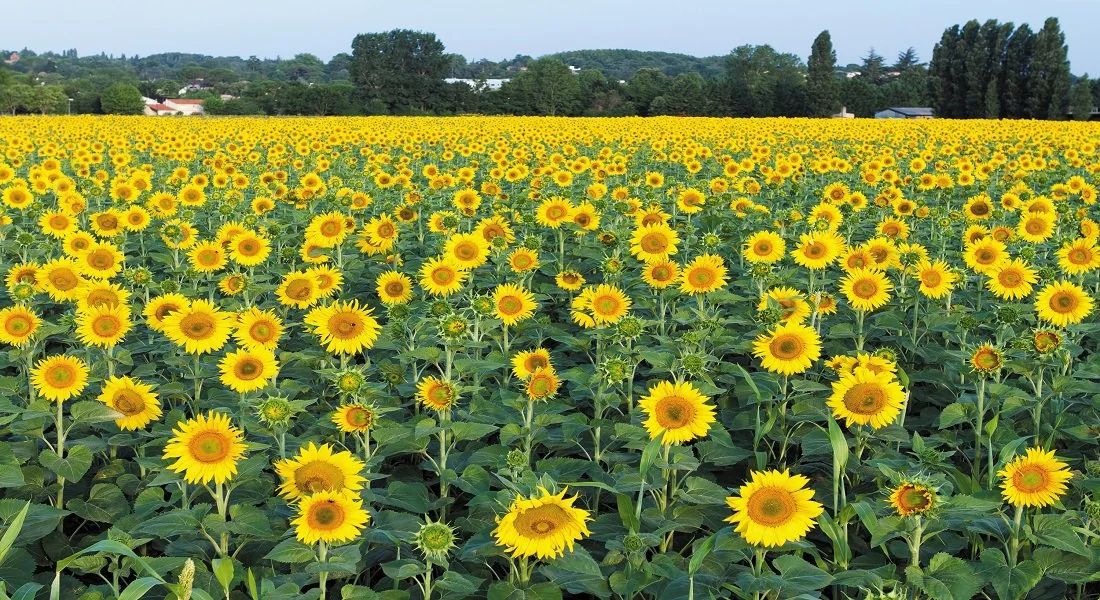
Zimbabwe is turning to sunflower farming as a strategic solution to reduce its rising crude oil import bill, with a new contract farming initiative set to empower thousands of local farmers while boosting domestic oil production.
A program, dubbed “Mr Sunflower,” led by Precision Oil Seed International, is expected to support more than 10,000 farmers across 10,000 hectares during the 2025–2026 farming season. The initiative marks a major step towards decreasing Zimbabwe’s reliance on imported crude oil.
Precision Oil Seed projects that sunflower production in the country will reach 280,000 metric tonnes, nearly double last season’s target of 150,000 tonnes.
In an interview, Precision Oil Seed CEO, Marshal Masvikepi highlighted the financial and health costs associated with crude oil imports.
“The national deficit for crude oil is approaching US$300 million per year, with imports coming from India, China, and Brazil,” he said.
The program will support farmers across the entire production value chain. “Farmers provide the land, and we supply the inputs, technical expertise, and a guaranteed market for their produce,” Masvikepi explained.
“We have deployed agronomists in Mashonaland East, West, Central, and Midlands under the first phase of the program, with plans to expand nationwide in the near future.”
Sunflower prices in Zimbabwe vary depending on quality and buyers. The Grain Marketing Board (GMB) set a pre-planting price of US$712.20 per tonne for the 2024/25 season, while private buyers are offering between US$1,200 and US$1,600 per tonne for A-grade sunflower.
According to ZimStats, imports of soybean, sunflower, cottonseed, and crude oil have surged by 144 percent, rising from US$142 million in 2010 to US$346 million in 2021, with a peak of US$370 million in 2022.
Sunflower is a drought-resistant crop, well-suited to Zimbabwe’s climate, and has a higher oil extraction rate compared to soybeans and cotton, making it an efficient alternative for domestic oil production. Government has also promoted sunflower farming through initiatives such as Pfumvudza/Intwasa, which provides drought-resistant seeds and inputs to communal farmers, supporting the country’s efforts to reduce oil imports while strengthening local agriculture.