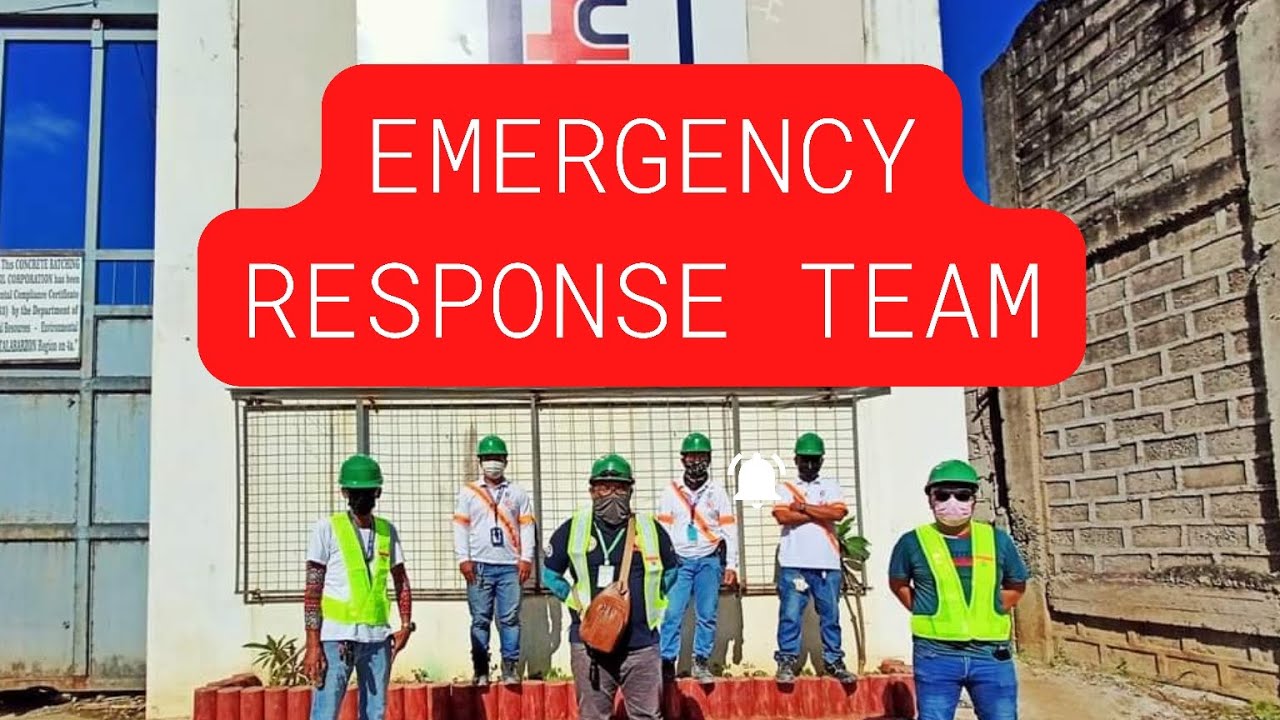
The Southern African Development Community (SADC) has taken a bold step in strengthening its disaster preparedness and response capacity with the successful completion of the Emergency Response Team (ERT) training program in Nyanga, Zimbabwe.
The training, attended by representatives from across the region, aimed to equip participants with critical skills in disaster management, coordination, and humanitarian response.
Speaking at the closing ceremony, yesterday, Deputy Minister for Local Government and Public Works, Engineer Benjamin Kabikira, commended the participants for their resilience and dedication, describing the program as a milestone in regional cooperation.
“The skills, knowledge, and teamwork you have demonstrated over these sessions reflect the dedication that is essential in safeguarding lives and minimizing risks when disaster strikes,” he said.
The training provided participants with practical knowledge in key areas, including emergency response coordination, information management, assessments, and linkages between national and international response systems.
According to Engineer Kabikira, these competencies are crucial in enabling responders to act decisively in real-life emergencies where every second counts.
The Deputy Minister also emphasized the importance of regional solidarity in disaster management.
“I want to appreciate all Member States for prioritising regional integration in disaster risk reduction efforts through seconding members to the ERT. It is my clarion call to all Member States to be flexible in releasing these members whenever they are called upon to execute their duties,” he urged.
UN Resident and Humanitarian Coordinator, Mr. Edward Kallon, underscored the global significance of the initiative. He noted that humanitarian needs are increasing due to climate change, declining international aid, and shifting global politics.
“Southern Africa is prone to climate-induced emergencies including droughts, cyclones, floods, and episodic disease outbreaks. We must therefore enhance our collective capabilities to redefine life-saving assistance and ensure that humanitarian aid remains effective and accountable,” Kallon said.
The course was made possible through strong partnerships, with support from the SADC Secretariat, United Nations agencies, the European Union, the International Federation of the Red Cross, and the Government of Zimbabwe, which co-financed and hosted the program.
Engineer Kabikira hailed the collaboration as a reflection of the region’s commitment to resilience and sustainable development.
“Together, the region is stronger, safer, and better prepared with such a great team like you. Your work must always be guided by humanitarian principles to gain the trust of affected populations and partners alike,” he added.
As the graduates prepare to join the regional rapid response network, the emphasis now shifts to applying learned skills in real emergencies, enhancing local empowerment, and promoting accountability in humanitarian response. With disasters increasingly threatening development across Southern Africa, this training marks a pivotal investment in safeguarding communities and advancing the region’s resilience.