Zimbabwe is gearing up for one of its most ambitious infrastructure overhauls in decades, with a US$3 billion rail modernisation programme scheduled for implementation during the National Development Strategy 2 (NDS2) period from 2026 to 2030. The programme, outlined in the NDS2 policy blueprint, seeks to reposition the country as a competitive regional transit hub and enhance trade efficiency across Southern Africa.
According to the plan, the massive investment will be funded through public-private partnerships (PPPs), Government allocations, debt finance and contributions from strategic partners, including the Mutapa Investment Fund (MIF). The modernisation agenda targets the rehabilitation, expansion and electrification of critical rail corridors that support Zimbabwe’s mining, industrial and export sectors.
A centrepiece of the NDS2 rail revival is the upgrade of the Mutare–Harare–Chirundu line and the construction of a new 217km railway from Lion’s Den to Kafue in Zambia, a project valued at US$1.2 billion. This corridor is key to strengthening SADC interconnectivity and improving north–south trade flows.
Zimbabwe will also roll out a US$550 million industrial service line linking the Manhize steel plant to domestic and regional markets, boosting one of the country’s largest new industrial investments.
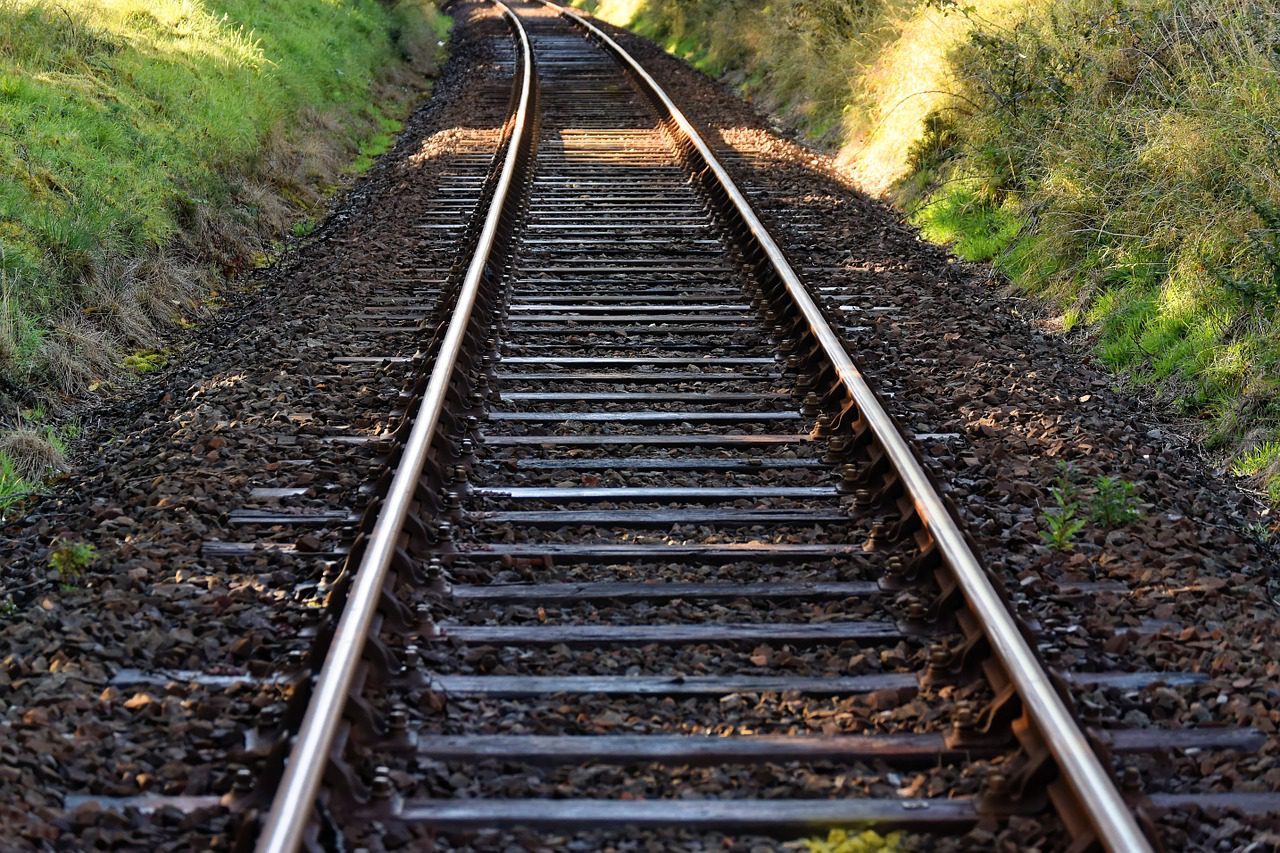
In addition, the Government plans to rehabilitate 1 700km of existing track—including re-sleepering, ballasting, tamping and turnout replacement—at a cost of US$480 million. This upgrade, set to run from 2026 to 2030, aims to increase train speeds by up to 30 percent, significantly improving logistics efficiency.
To increase freight capacity, the country will procure 30 new mainline locomotives between 2026 and 2029 at a cost of US$210 million, raising annual haulage to more than 6.7 million tonnes. Another US$120 million has been earmarked for 841 brand-new wagons and the refurbishment of 1 000 more, helping shift bulk cargo from road to rail and easing pressure on highways.
Modernisation efforts will also include:
• US$150 million for a new train control and automation system across 1 000km of track.
• US$30 million to complete the 735km national fibre-optic backbone.
• US$60 million to rehabilitate 60 bridges and culverts, enhancing rail safety.
• US$25 million to refurbish 50 passenger coaches with air-conditioning and Wi-Fi, plus acquisition of new Diesel Multiple Units.
A major milestone under NDS2 will be the re-electrification of the Harare–Dabuka corridor, a 305km line whose electric operations were suspended in 2009 due to power shortages, vandalism and insufficient maintenance. Electrification had previously boosted national freight throughput to 12.4 million tonnes in 1998, demonstrating its transformative impact.
Under NDS2, Government will not only rehabilitate the vandalised section but also expand electrification to other viable corridors, supported by investment in modern rolling stock for electric operations.
Coal mining companies in Hwange, led by Hwange Colliery Company, will partner with Government to revitalise the vital rail link connecting the coalfields to industrial and export markets. Broader private sector participation, including international investors, will be central to restoring the National Railways of Zimbabwe (NRZ) to its role as a key driver of economic growth.
The NDS2 blueprint underscores that an efficient rail system is the lifeblood of the mining, manufacturing and export sectors, offering cheaper bulk transportation compared to road haulage. By revamping rail infrastructure, Zimbabwe aims to lower business costs, unlock production capacity and strengthen regional trade integration.
Ultimately, this US$3 billion rail modernisation programme signals a new era of connectivity, industrial growth and economic competitiveness, anchoring the country’s long-term development vision.