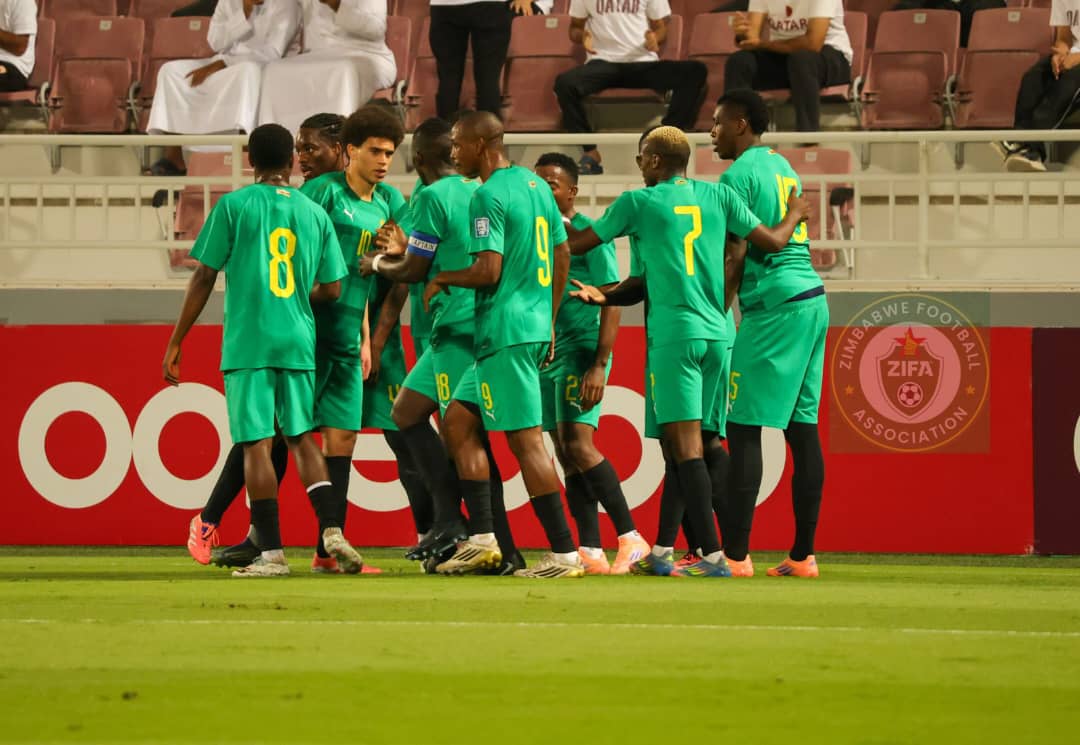
In early 2024, under new leadership, the Zimbabwe national team — the Warriors — embarked on a journey few outside Harare fully grasped. It was a quest not just for qualification, but for a moment of resurgence on Africa’s biggest stage: the 2025 Africa Cup of Nations in Morocco.
The Road to Morocco
The road wasn’t easy. In Group J of the AFCON qualifiers, Zimbabwe faced stiff competition from seasoned sides such as Cameroon and Kenya. In one pivotal match at the Peter Mokaba Stadium, a debut goal from Tawanda Maswanhire secured a valuable point in a 1-1 draw that ultimately sealed the Warriors’ sixth ever qualification for the AFCON finals — a significant achievement for a nation that has often punched above its weight and never made it past the group stage before.
Along the way, Zimbabwe achieved memorable results, including a hard-fought win over Namibia, testing their resolve and belief. Those qualifier battles forged the belief that the Warriors could mix it with Africa’s best.
Leadership Shake-Up and New Direction
Despite qualifying, turbulence clouded the build-up to the finals. Long-time coach Michael Nees was relieved of his duties in late October 2025 after a difficult run in World Cup qualifying, leaving the Warriors to regroup under a fresh voice, Romanian coach Marian Marinica. His appointment was framed as a “new chapter” for Zimbabwean football, with hopes that his international experience could steer the team to greater heights on Moroccan soil.
Marinica’s leadership brought new tactics, fresh faces, and renewed ambition, but also tough decisions — among them the controversial omission of midfielder Marshall Munetsi, who expressed disappointment at being left out despite his experience and leadership credentials.
Preparation in the Face of Adversity
Preparations for the tournament were fraught. The Zimbabwe Football Association (ZIFA) confirmed a busy pre-AFCON schedule of international friendlies, including challenging fixtures against Algeria and Qatar, designed to hone tactical cohesion and match fitness.
Yet logistical hurdles emerged late in the year: a revised FIFA deadline meant that foreign-based players could only join camp by 15 December, compressing Zimbabwe’s preparation window dramatically. Coaches and staff were forced to recalibrate training schedules and tactical plans in the final weeks before departure.
To compound the challenges, injuries struck key players; both Munetsi and left-back Jordan Zemura were ruled out of the final squad, weakening the Warriors’ experience and depth heading into Morocco.
Group B in Morocco
Once in Morocco, the Warriors will find themselves in a demanding Group B alongside:
- Egypt, one of Africa’s storied football nations,
- Angola, a disciplined side capable of springing surprises,
- South Africa, Zimbabwe’s regional rival in the COSAFA zone.
Their tournament opener is scheduled for 22 December against Egypt in Agadir, a match that would test Zimbabwe’s tactical discipline and heart.
Off the Pitch: Passion, Culture & Fan Reaction
Back home, the build-up wasn’t just about results — it was about pride. However, not all narratives were on the pitch. The unveiling of the Warriors’ new AFCON kit sparked fan outrage on social media, with many supporters decrying the design as lacklustre — a reminder that even in celebration, expectations in Zimbabwean football run deep.
Looking Ahead
For the Warriors, AFCON 2025 in Morocco represents more than a tournament. It is a test of resilience after years of administrative challenges, coaching changes, and competition against Africa’s elite. With a young squad blending local talent and European-based professionals, Zimbabwe fans hope the team can finally break their “group stage curse” and write a new chapter on the continental stage.
Whether the Warriors will transcend their past and shine under African skies, only the upcoming matches in Morocco will tell — but one thing remains certain: the journey itself has already inspired a nation.