Government has warned that climate change now poses a direct and escalating threat to Zimbabwe’s socio-economic development, as the country grapples with increasingly severe weather events that are undermining livelihoods, infrastructure and food security.
Officially opening a post-COP30 stakeholder feedback workshop today at the Harare International Conference Center (HICC), Permanent Secretary in the Ministry of Environment, Climate and Wildlife, Ambassador Tafirenyika Chifamba, said Zimbabwe was already experiencing the severe impacts of climate change.
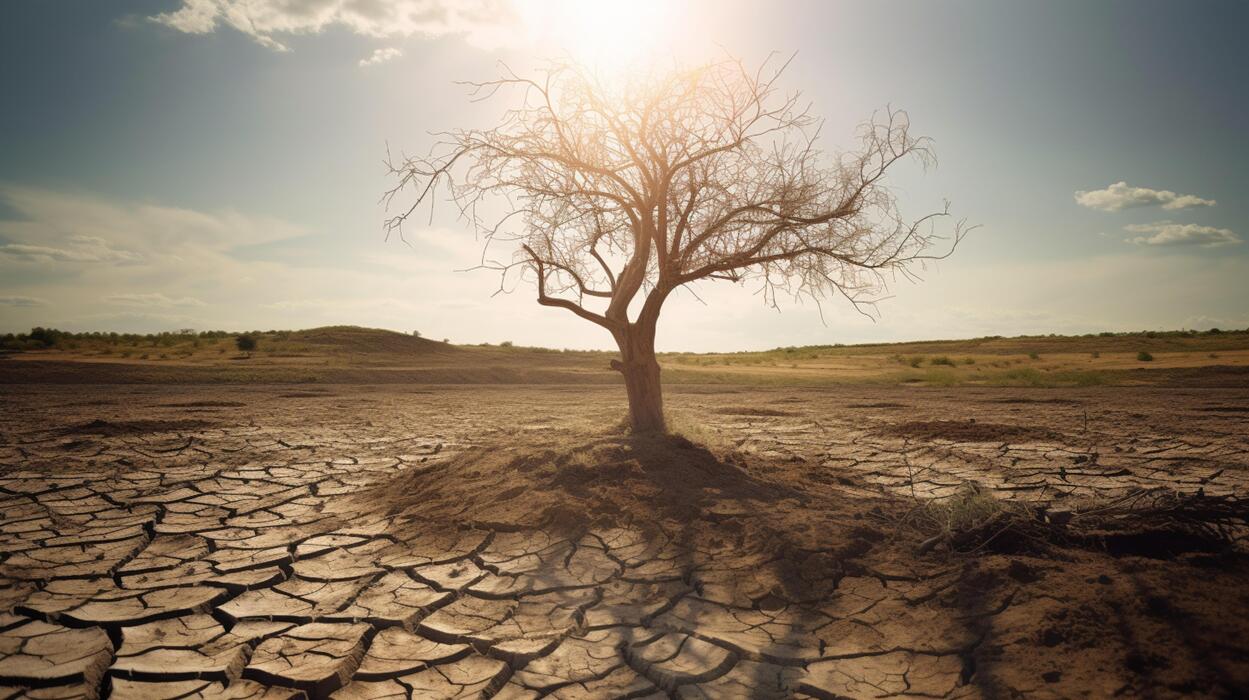
“We continue to witness erratic weather patterns, prolonged droughts, increased flooding and even cyclones. These changes threaten our agricultural productivity, our water security and the very livelihoods of our people,” he said.
Ambassador Chifamba warned that the risk posed by tropical cyclones remained acute.
“The threat of deadly tropical cyclones is ever-present, posing a serious risk to lives and to infrastructure,” he stated.
Chifamba said the Government had recognised climate change as a major development risk under both Medium-Term Strategy 1 and Medium-Term Strategy 2, adding that global indicators showed the situation was worsening. Citing the 2024 Emissions Gap Report by the United Nations Development Program (UNDP).
“Temperatures and sea levels continue to rise, while the loss of biodiversity is accelerating. The challenge has never been greater,” he noted
On international negotiations, Chifamba acknowledged that recent outcomes had fallen short of expectations.
“Our resolve from Denmark was lukewarm, mainly because of limited mitigation pledges and the absence of the United States,” he said.
However, he noted progress on adaptation finance.
“There was agreement to set a new target to triple finance for climate adaptation, to establish a new fund for tropical forest conservation, and a frank acknowledgement that we are now unlikely to meet the 1.5-degree target,” Ambassador Chifamba indicated
He warned that constrained global financing would complicate national efforts.
“As things stand, climate finance is likely to remain suppressed, while the cost of adaptation continues to rise,” Chifamba said.
Calling for broader participation, Ambassador Chifamba urged stakeholders to take ownership of the climate agenda.
“I urge all stakeholders present today to take an active role in crafting solutions. This engagement must be the beginning of further interactions,” he stated.
In a major legislative update, he revealed that Zimbabwe’s Climate Change Management Bill was nearing completion.
“Our Climate Change Management Bill is now at an advanced stage in Parliament, and we expect to have an Act in early 2026.
This will greatly assist in mainstreaming climate change, raising local climate finance and strengthening the country’s climate and carbon policy environment,” Chifamba revealed
Ambassador Chifamba concluded by reaffirming Zimbabwe’s commitment to implementing the Paris Agreement despite limited access to development finance.