
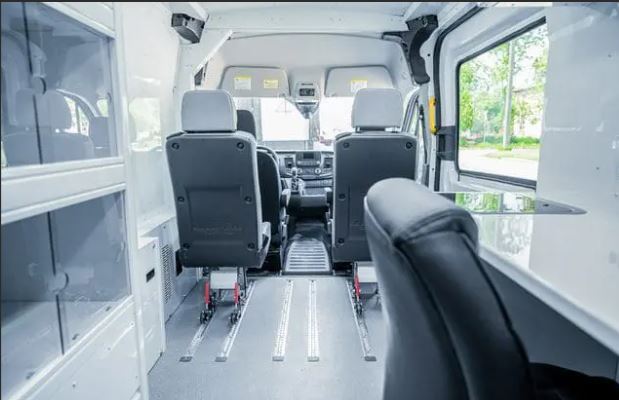
Government has received mobile outreach vans and minibuses procured under the Zimbabwe COVID-19 Response and Essential Health Services Project, with support from development partner, Catholic Organisation for Relief and Development Aid (CORDAID).
The vehicles, handed over in Harare, are expected to enhance health service delivery nationwide by improving outreach to underserved and hard-to-reach communities, in line with the Government’s commitment to ensuring that no one and no place is left behind.
Speaking at the handover ceremony, Vice President Kembo Mohadi, who received the donation on behalf of Government, said the initiative reflects Zimbabwe’s ongoing efforts to reimagine health service delivery through a people-centred approach.
“This initiative embodies the spirit of devolution, where services are taken to the people rather than people struggling to reach services,” said Vice President Mohadi.
He added that the programme lays a firm foundation for achieving Universal Health Coverage, noting that health is both a social right and a key pillar of national productivity and development.
The Vice President also acknowledged the continued support of development partners, particularly the World Bank, the Global Financing Facility and Cordaid, in strengthening Zimbabwe’s health system.
The programme is funded by the World Bank at a cost of US$10 million, with Cordaid Zimbabwe serving as the implementing partner.
He said the partnerships have enhanced the country’s capacity to respond to public health emergencies while safeguarding essential health services, reflecting a modern and forward-looking health sector.
“Zimbabwe is steadily building a resilient, efficient and people-centred health system … from mobile outreach services and solar-powered cold chains to digital health information systems, improved medical transportation and strengthened human resources,” he said.
World Bank Acting Country Manager, Zewditu Banteyehun Haile, said the vehicles would help bridge gaps in access to healthcare.
“These vehicles serve as bridges, ensuring equitable access to healthcare for every Zimbabwean, and they form part of the continued assistance we are delivering to the country,” she said.
She added that the mobile clinics are designed to support outreach, continuity of care and equitable access to health services, while complementing other investments under the project aimed at strengthening health systems, infrastructure and service delivery.
Cordaid Country Manager, Trish Mukunyadzi, said the full impact of the vehicles would be realised once they are actively deployed across communities.
“The true value of these vehicles will be realised when they are on the ground, serving communities across the country,” she said.