Illegal artisanal mining has emerged as one of Zimbabwe’s most pressing socio-economic and environmental challenges. Across the country, individuals, often driven by poverty and lack of formal employment, risk their lives digging for gold, diamonds, and other minerals in unregulated and unsafe conditions. Recent events in Shurugwi North Constituency underscore the deadly consequences of this practice.
Last week, tragedy struck at Wonder Mine, where four illegal miners lost their lives after a shaft they were working in collapsed. The victims, whose ages ranged between 22 and 38, were part of a small crew operating in a narrow, unsupported tunnel when the ground gave way, burying them alive. Incidents like this are far from rare, reflecting a dangerous reality faced daily by those who enter illegal mining operations.
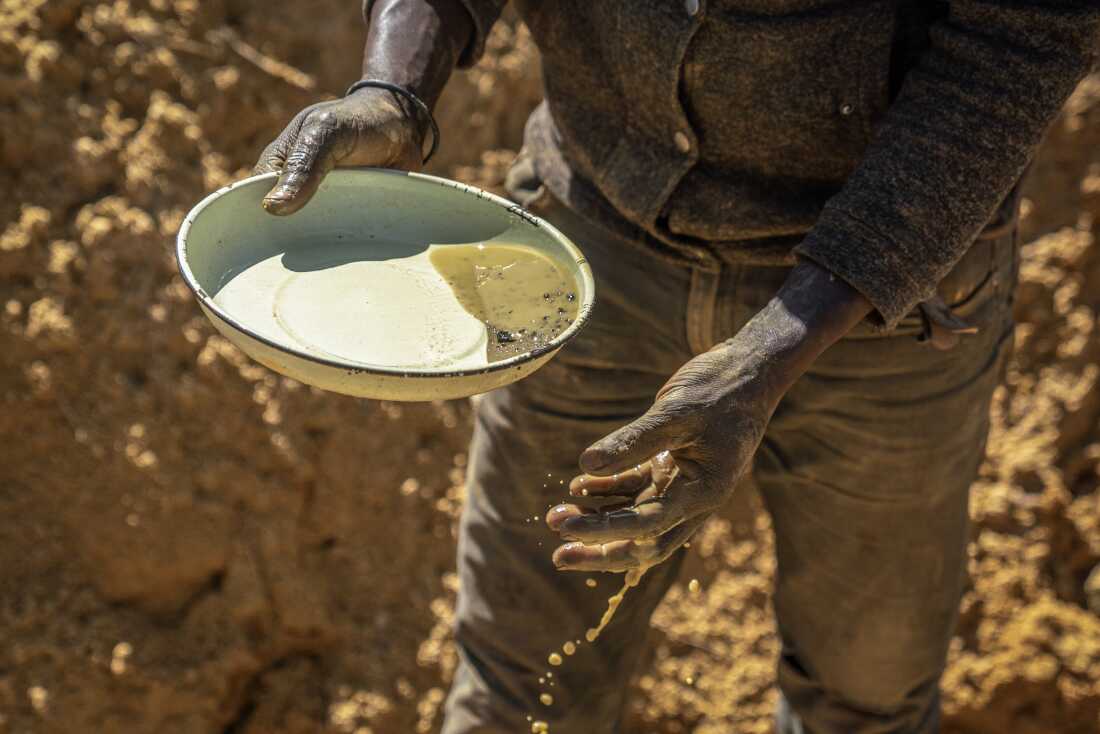
The dangers of artisanal mining extend beyond the immediate risk of death. Miners routinely work without proper ventilation, lighting, or safety equipment. Toxic fumes from explosives, collapsing shafts, and flooding of tunnels are common hazards. Many miners lack training in handling explosives or in structural support techniques, increasing the risk of accidents. The pursuit of quick profit often overrides basic safety considerations, leaving miners exposed to injury or death.
The environmental impact of illegal mining is equally alarming. Artisanal miners frequently dig along riverbanks and hillsides, destabilizing the terrain and contributing to erosion. Chemicals such as mercury and cyanide, commonly used to extract gold, seep into waterways, contaminating drinking water for local communities and harming aquatic life. Forests are cleared, topsoil is destroyed, and once-fertile land is left barren. In the long term, these activities undermine local ecosystems and compromise food security.
Despite existing laws banning illegal mining, enforcement remains a significant challenge. Statutory Instrument 188 of 2024 prohibits alluvial and illegal mining along riverbanks and other vulnerable areas. Yet, limited resources, corruption, and logistical difficulties make monitoring remote sites difficult. As a result, illegal miners often operate with impunity, and the cycle of accidents and fatalities continues.
Government intervention must go beyond policing. Criminalising illegal mining without addressing underlying poverty will not solve the problem. What is needed is a multi-pronged approach that combines strict enforcement with economic alternatives for communities.
Experts recommend several measures to mitigate the dangers. First, the Government must strengthen inspection and enforcement mechanisms, ensuring that illegal sites are identified and closed promptly. Deploying more environmental officers, working in coordination with local law enforcement, is critical. Second, rehabilitation of degraded sites must be enforced under the “Polluter Pays Principle,” compelling operators to restore the environment they have damaged. Third, formalising small-scale mining could provide safer, regulated opportunities for artisanal miners. By offering training, licenses, and access to safer extraction methods, the state can reduce fatalities while encouraging economic activity.
Community awareness campaigns are equally essential. Many miners underestimate the risks involved in their operations. Educational programmes can inform them about safe practices, the dangers of chemicals, and the importance of reporting unsafe conditions. Such initiatives, coupled with incentives for compliance, can gradually shift behaviour away from illegal operations.
The deaths at Wonder Mine are a stark reminder that illegal artisanal mining is more than an economic issue; it is a humanitarian crisis. Without decisive action, Zimbabwe will continue to see lives lost in preventable accidents, ecosystems destroyed, and communities exposed to health hazards.
As the Government, civil society, and local communities consider the way forward, the message is clear: addressing illegal mining requires vigilance, investment, and foresight. Protecting lives and the environment must be a priority, and the time to act is now.