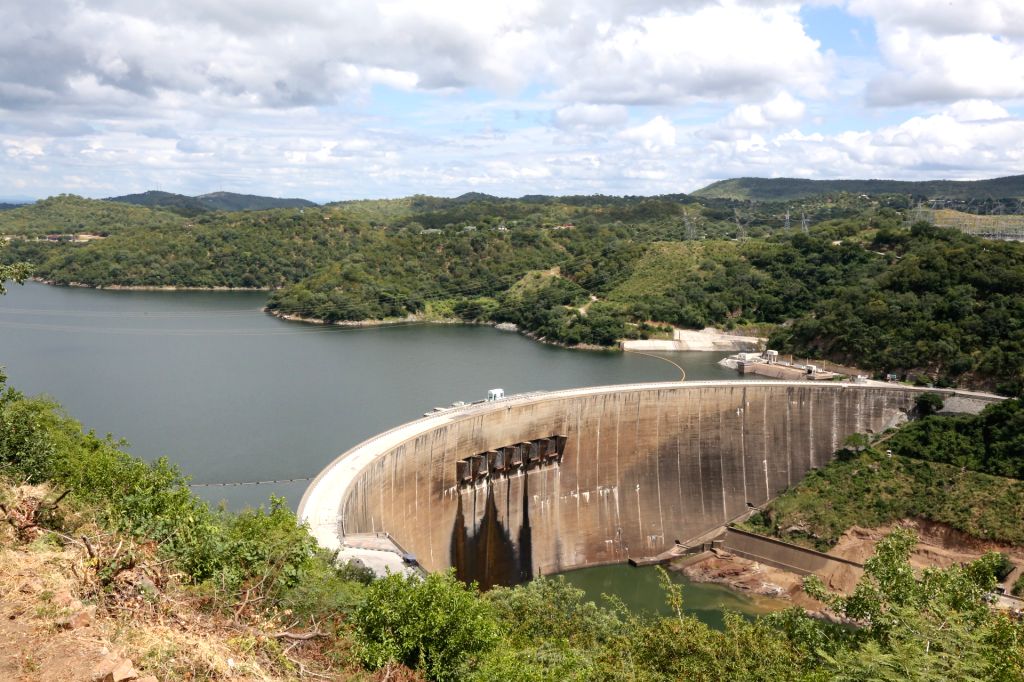
Zimbabwe and Zambia have jointly committed US$440 million to fast-track the Kariba Power Project, in a move aimed at boosting electricity generation and stabilising power supplies in both countries, Energy and Power Development Minister, July Moyo said in Kariba yesterday.
Speaking ahead of a tour of the project, Minister Moyo said the joint funding decision was aimed at speeding up development and ensuring that the scheme delivers power on schedule.
“We are injecting $440 million into this project as a joint decision by Zimbabwe and Zambia to ensure that the development is fast-tracked,” he said.
Minister Moyo highlighted the importance of cooperation between workers from both countries, noting that the project’s success depended on teamwork and shared responsibility.
“There is a need for close collaboration between Zimbabwean and Zambian workers to fast-track the development.
This project requires cooperation, coordination, and shared commitment from both sides to ensure we deliver the expected power generation benefits,” he said.
The minister said the project is expected to significantly boost power generation capacity in both countries.
“This project will significantly increase power generation capacity for both Zimbabwe and Zambia. It is a major intervention aimed at stabilising our electricity supply and supporting industrial growth,” he added.
Minister Moyo said the Kariba project is part of broader power initiatives under the Zambezi River Authority, which both countries are jointly implementing.
“Zimbabwe and Zambia are jointly implementing power initiatives through the Zambezi River Authority, including the 2,400 megawatt Batoka Gorge hydroelectric scheme and the Kariba floating solar PV plant. These projects are part of our long-term strategy to address persistent electricity shortages,” he stated.
He also emphasised that the projects would provide lasting solutions to the region’s energy challenges.
“We are committed to finding lasting solutions to the power challenges that have affected households and industries. The energy crisis requires sustainable and long-term interventions,” Minister Moyo said.
The minister added that legal and administrative requirements, including land and title deeds, are being finalised to support project implementation.
“We are working to ensure that all necessary title deeds and regulatory approvals are finalised to support implementation,” he said.
Minister Moyo said the joint project demonstrates regional cooperation and shared responsibility.
“This is a clear demonstration of Zimbabwe and Zambia working together to secure energy security for our people,” he noted.
The Kariba project is expected to provide a significant boost to generation capacity once completed.