
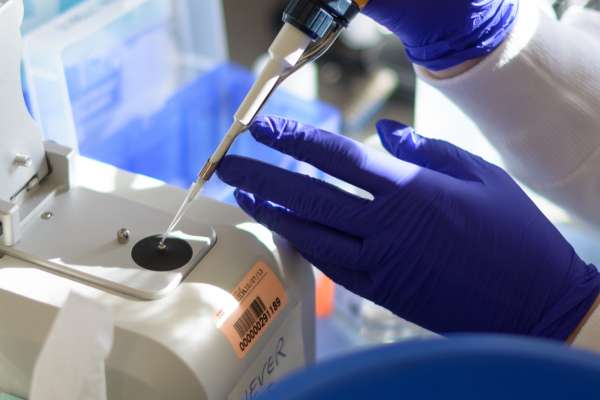
Zimbabwe officially commissioned the Nucleic Acid Testing (NAT) system, a major technological advancement aimed at strengthening blood safety and enhancing the country’s health delivery system.
Addressing stakeholders at the headquarters of the National Blood Service Zimbabwe (NBSZ), yesterday, Health and Child Care Minister, Dr Douglas Mombeshora, described the launch as a transformative milestone in protecting lives.
“It is my honour to stand before you today as we mark the official launch of Nucleic Acid Testing, a transformative advancement in protecting the health and lives of the people of Zimbabwe,” said Dr. Mombeshora.
He emphasised that the development was not merely a technical upgrade but a national achievement anchored on public health priorities.
“This moment is not merely a technical achievement; it is a national milestone that reflects our shared commitment to safeguarding the lives of our citizens,” he said.
The Minister noted that the launch coincided with another significant health intervention earlier in the day in Epworth where Government introduced Lenacapavir for HIV prevention.
“Together, these two landmark events demonstrate Zimbabwe’s readiness to harness scientific innovation in strengthening both HIV prevention and the overall safety and resilience of our health system,” he said.
Dr. Mombeshora underscored the critical importance of blood safety, describing blood as an irreplaceable medicine that demands the highest protection standards.
“With the introduction of Nucleic Acid Testing, Zimbabwe takes a decisive step forward in ensuring that every unit of blood transfused in our health facilities meets the highest possible standards of safety that modern technology can provide,” he said.
He explained that NAT enhances existing screening systems by detecting viral genetic material much earlier than conventional serological methods.
“The introduction of Nucleic Acid Testing builds upon our strong foundation by detecting viral genetic material much earlier, dramatically reducing the diagnostic window and minimising the risk of infection transmission,” he said.
According to the Minister, HIV infections can now be detected within 48 to 72 hours, while Hepatitis B and C infections can be identified within days of exposure.
Zimbabwe’s national blood programme is regarded among the safest globally, having pioneered routine HIV screening of donated blood in 1987.
The introduction of NAT aligns the country with international best practices, further strengthening patient safety and public confidence in the health system.