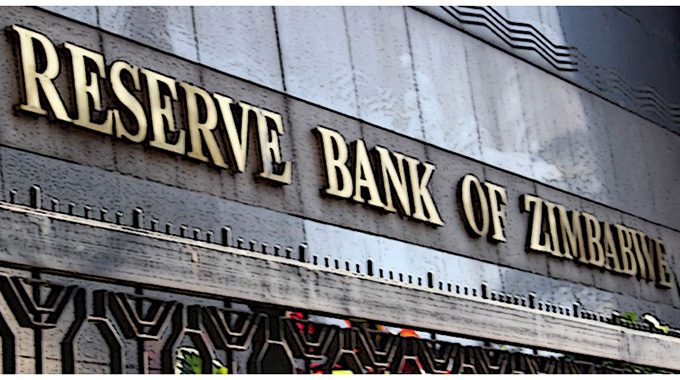
Currency stability is set to take centre stage in the 2026 Monetary Policy Statement to be presented, next week, by Reserve Bank of Zimbabwe, Governor John Mushayavanhu. The much-anticipated statement is expected to provide direction on key economic indicators, including inflation trends, interest rate movements, banking sector developments, and the foreign exchange earnings roadmap for the year ahead.
Zimbabwe recently recorded a 4.1 percent domestic currency inflation rate, the lowest since 1997, raising expectations that authorities will maintain a tight monetary policy stance to consolidate economic gains. The business community is closely watching for measures that sustain stability and reinforce confidence in the local currency.
Economic analyst, Jonathan Dube, said the upcoming policy review would be instrumental in stimulating production across sectors.
“This monetary policy is therefore critical as it will enable the central bank to relook at current policies and focus on issues that stimulate production across all sectors of the economy,” he said.
As the central bank outlines its 2026 agenda, growing calls are emerging for enhanced policy certainty, including the possible introduction of new notes to reinforce the strength of the ZiG and encourage higher savings within the banking sector.
Operations Director at Geosard Engineering, George Sadziwa, emphasised the importance of consistent policy direction.
“Certainty is key. We need policies that make it easier to plan and conduct our activities without challenges. If this is sustained, then indeed the nation will build on these gains,” he said.
Under the current foreign currency retention framework, exporters keep 70 percent of their earnings in foreign currency while 30 percent is surrendered to the Central Bank at the official rate in exchange for ZiG. This arrangement is expected to attract scrutiny as Zimbabwe moves to expand foreign currency inflows from agriculture, mining, tourism and horticulture.
Tax Partner at Baker Tilly, Simba Hamudi, noted that exports remain a cornerstone of economic stability.
“Exports play a critical role, and we look forward to seeing what will be done to unlock more value for this strategic component of the economy that brings in foreign currency,” he said.
The 2026 Monetary Policy Statement is expected later this month after consultations. Its release follows an assessment by the International Monetary Fund, which recently commended Zimbabwe’s tight monetary stance as essential to achieving the projected five percent economic growth target by year-end.