
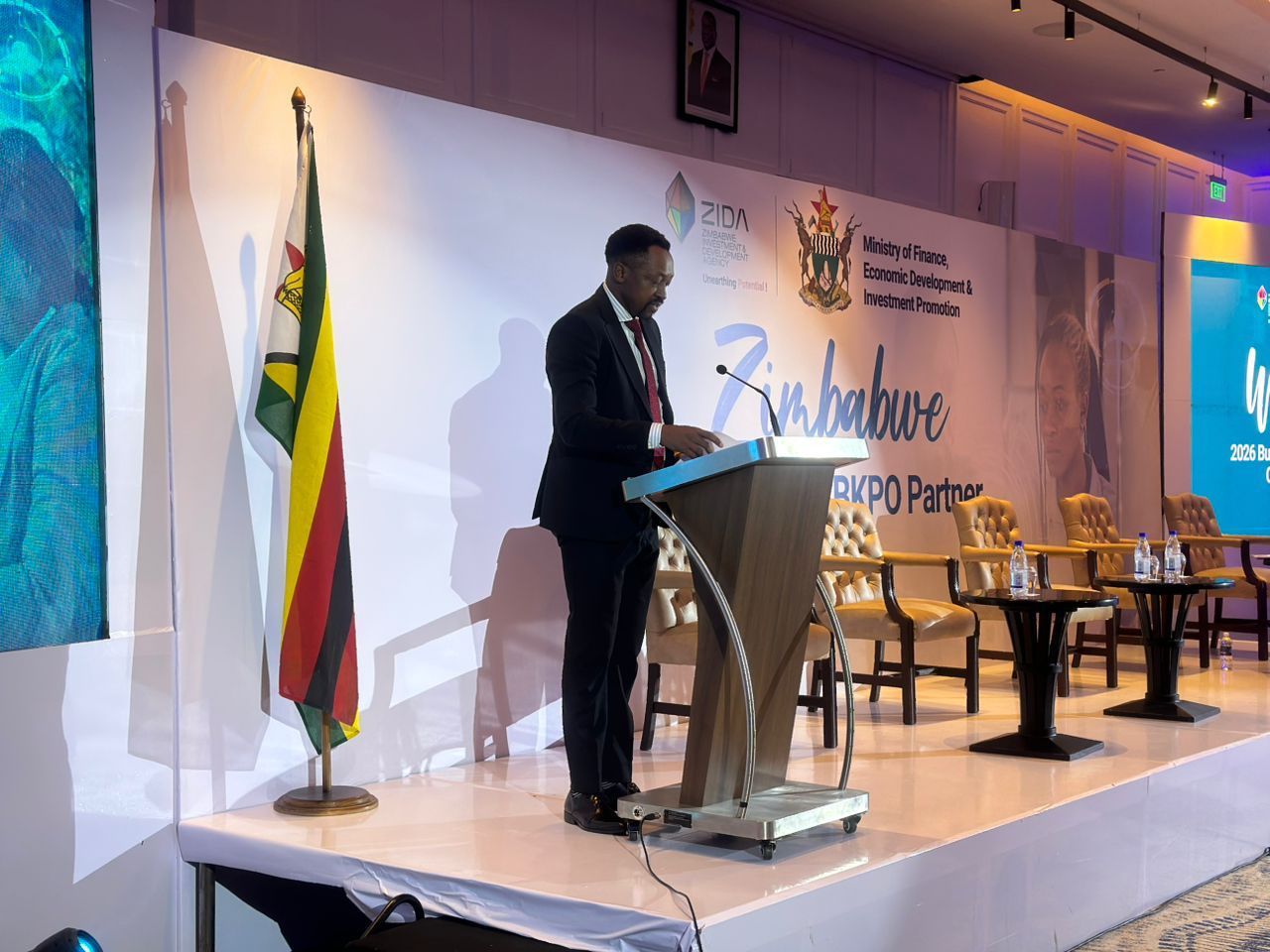
Private sector representatives attending the launch of the Business Knowledge Process Outsourcing (BKPO) operational framework at Hyatt Regency Hotel today said the initiative could transform Zimbabwe into a competitive regional hub for digital services and knowledge-based industries.
Speaking on the sidelines, James Wade, Managing Partner at Zimworx, said the framework provides a much-needed structure for businesses seeking to expand into international markets.
“This is exactly what the sector needed; clarity, predictable regulations, and dedicated infrastructure for outsourcing. Companies like ours now have the confidence to scale operations and invest in more specialised talent,” he said.
Wade added that the location-based incentives under the Special Economic Zones will encourage small and medium enterprises to formalise operations.
“Many of our partners have been operating from home offices or virtual setups. The BKPO framework gives them the opportunity to move into proper facilities and access the kind of support that makes global contracts viable,” he added
Commenting on the potential impact on employment, a representative from DigitalHub Africa, Simon Kala said the initiative offers young professionals a direct pathway into the global outsourcing market.
“Zimbabwe has an untapped pool of skilled, English-speaking talent. By providing structured facilities and fiscal incentives, the government is creating opportunities for meaningful jobs that can retain youth in the economy,” Kala said.
Another industry leader, Dr. Linda Moyo, Head of the Zimbabwe Information Technology Association, said the framework could help attract foreign investors and strengthen service exports.
“We have been waiting for an operational model that brings together licensing, infrastructure, and investor support. BKPO does exactly that. If implemented properly, it will boost Zimbabwe’s visibility in global BPO and KPO markets,” she said.
Meanwhile, the framework positions Zimbabwe to compete in regional and global digital services markets, strengthen the balance of payments, and support economic diversification beyond traditional commodities.