Government, working with development partners, is rolling out a medium-term solution to Bulawayo’s long-running water challenges through the construction of the Glass Block Dam in Filabusi.
Valued at approximately US$100 million, the project is a partnership between Government and development partners and is expected to ease pressure on the city’s overburdened water sources.
Speaking during a tour of the site yesterday, Deputy Minister of Local Government and Public Works, Albert Mavhunga, said the two projects demonstrate Government’s commitment to resolving water shortages in the city.
“This project is a medium-term intervention and does not replace the long-term solution, which is the Gwayi-Shangani project. It reflects Government’s continued efforts to address Bulawayo’s water challenges and speaks to the Second Republic’s vision of leaving no place and no one behind,” he said.
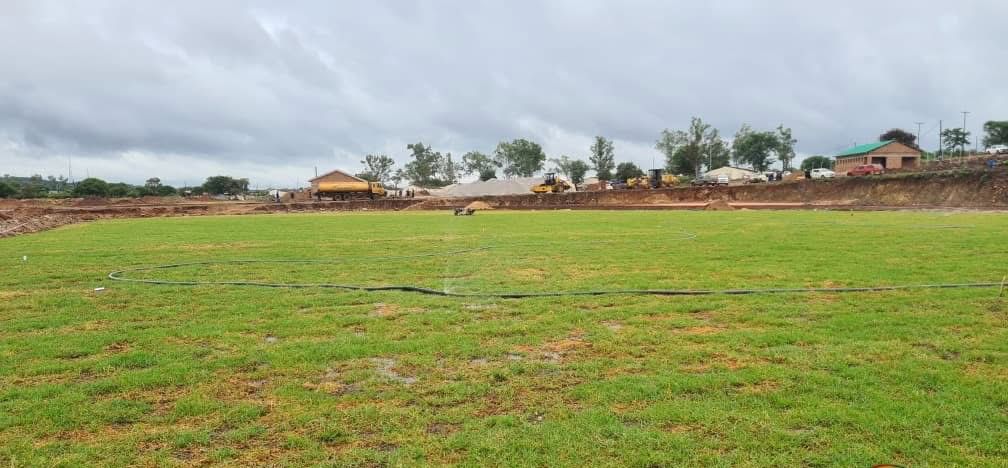
Engineers are currently conducting technical assessments at the site as the long-awaited project transitions from planning to implementation.
Glass Block Dam Consortium Civil Engineer Michael Peto said the project would bring significant relief to Bulawayo’s strained water supply system.
“This dam will provide medium-term relief to Bulawayo’s water crisis. It is going to be a major project with a pipeline stretching more than 30 kilometres,” he said.
Glass Block Dam is expected to supply about 68 megalitres of water per day to Bulawayo, positioning it as a key medium-term intervention for the city’s long-standing water shortages.
“The Bulawayo water crisis has persisted for many years. This dam is projected to supply 68 megalitres of water per day to the city,” Glass Block Dam Contractor James Goddard said.
Local community members have welcomed the initiative, expressing optimism that it will enhance livelihoods and improve agricultural productivity.
“We will now be able to practise farming because this is a dry region,” one villager said.
Another community member noted that livestock would benefit from improved access to water.
“At the moment, we rely on dams that are far away, but our cattle will now have reliable access to water,” the villager said.
Residents also voiced hope that better water availability would strengthen food security.
“We usually experience poor harvests because of drought, but once this project is complete, we will be able to grow different crops,” another villager said.
The project is being implemented alongside the ongoing Gwayi-Shangani Lake project, which remains Government’s long-term solution to Bulawayo’s water challenges.
The Glass Block Dam project is expected to be completed within the next two years. While it may not immediately end Bulawayo’s water crisis, it marks a significant step toward improving water security for the city and surrounding communities.