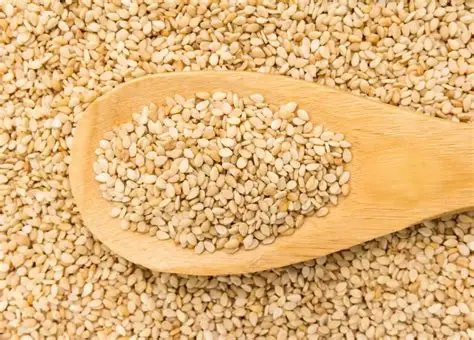
More than 14 000 smallholder farmers across Zimbabwe have embraced sesame production, with this year’s harvest expected to surpass 1 000 metric tonnes earmarked for the export market.
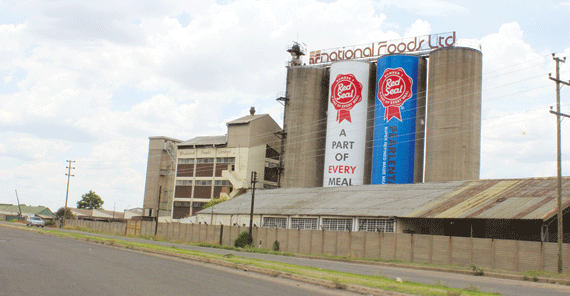
A sesame processing plant established in 2023 is now servicing thousands of growers, providing processing, value addition and export support to regional and international destinations, including Japan, India, Turkey and China.
In an interview with the media, yesterday, Masvingo Minister of State for Provincial Affairs and Devolution, Ezra Chadzamira, said the initiative is strengthening provincial economic growth.
“We are pleased because these projects are benefiting the locals and helping to drive rural industrialisation. Our province’s GDP is increasing, and communities are being empowered. We are grateful that the Government is coming up with these initiatives, which are helping local communities.”
The facility is part of a US$1 million multi-service centre spearheaded by Sustainable Agriculture Technology (SAT) in partnership with the Government, opening new markets, creating jobs and accelerating rural industrialisation.
SAT Deputy Country Director, Lloyd Masunda, said sesame exports have grown sharply since the project began.
“In our first year, we exported 212 tonnes. By the second year, we reached 378 tonnes, and this year we are targeting 1 200 tonnes, which is an upward shift. We now work with more than 14 000 farmers, and even the export market has increased. We are looking to expand the plant for other traditional grains. We are also value-adding by producing cooking oil for the local market,” he said.
For many farmers, the fast-growing sesame value chain represents rising incomes and a more secure economic future.
Farmer, Daniel Lamula said the initiative has transformed marketing practices for growers.
“As sesame farmers, we are delighted with this development. Previously, our crop went mostly to illegal buyers across the border. Now, as shareholders in this plant, our produce is processed here, sold properly and earns us much more,” he said.
Another grower, Keresina Chigara, said the project has boosted household earnings while creating access to foreign currency.
“Through the Sesame Growers Association, we have secured foreign currency earnings. This allows us to send our children to school and improve our livelihoods,” she said.
Traditional leader, Chief Neshuro, Rodwell Gudo, said the processing plant has brought meaningful economic change to the Mwenezi community.
“This has really changed the livelihoods of the people of Mwenezi because we used to be short-changed, but now we are getting value from our produce,” he said.
With the Rutenga Processing Plant offering a ready market and linking farmers to global buyers, Mwenezi is rapidly emerging as a rural industrialisation hub, advancing the Government’s Vision 2030 ambition of transforming Zimbabwe into an upper-middle-income economy.