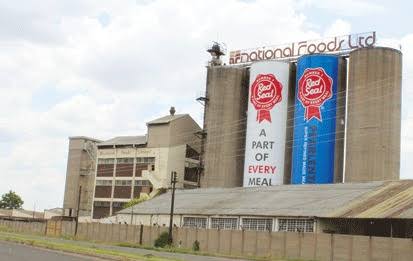
Government efforts to revive local fertiliser manufacturing are beginning to show strong results, with major producer Windmill (Pvt) Ltd ramping up output to support national agricultural programmes, including the forthcoming winter wheat season.
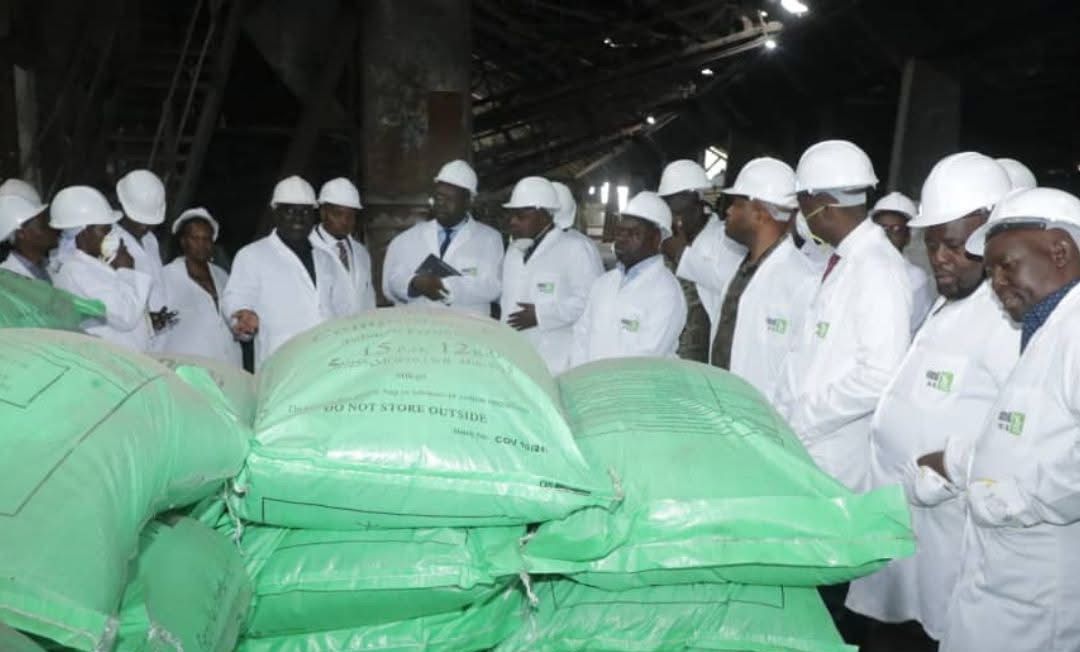
Fertiliser remains a critical pillar of Zimbabwe’s agricultural transformation agenda under National Development Strategy 2 (NDS2), which seeks to boost productivity and strengthen food security. Yesterday, the Parliamentary Portfolio Committee on Industry and Commerce, led by Clemence Chiduwa, toured Windmill’s facilities to assess the fertiliser industry’s capacity and readiness to meet national demand.
Chiduwa noted that although industry output had declined in recent years with Windmill operating at only 10 percent of its capacity, efforts were underway to restore local production in line with value chain localisation goals.
“The country needs 780 000 tonnes of basal fertiliser and 400 000 to 380 000 tonnes of top dressing. Windmill has struggled to secure capital for the importation of raw materials. Considering global disruptions, especially in the Middle East, localising production is the best strategy. We will present our findings to the relevant authorities,” he said.
Windmill Chief Executive Officer Kuda Mundowonzi thanked Government for its renewed support and confirmed the company’s readiness to meet a significant portion of national requirements.
“Our plant can produce 1 000 tonnes here and another 1 000 tonnes of basal fertiliser at the Mt Hampden facility. Government has been very supportive, and we are prepared to meet its winter wheat quota,” he said.
To further strengthen the fertiliser value chain, Government has secured a US$125 million financing facility through the Mutapa Investment Fund to bolster production for the 2026–2027 summer cropping season.
The initiative is expected to play a key role in revitalising Zimbabwe’s fertiliser industry and reducing reliance on imports in the long term.