
Zimbabwe’s economy is showing strong signs of sustained recovery and expansion, with Treasury affirming that consistent growth across key sectors is positioning the country firmly on course to achieve upper middle-income status by 2030. This aligns with the Second Republic’s inclusive development agenda underpinned by stability, reindustrialisation and broad-based economic reforms.
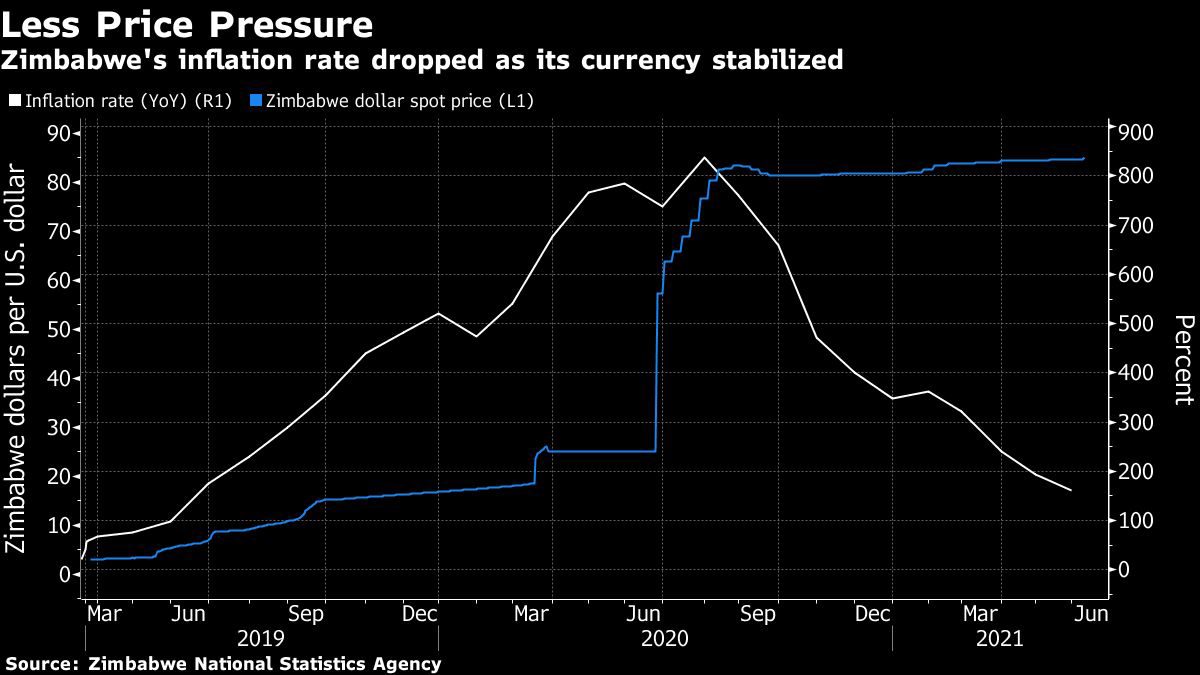
Government says the transition from post-Covid recovery to long-term, sustainable growth has been anchored by improved macro-economic stability, restored price discipline, the successful introduction of the local currency in 2024 and widespread retooling within the manufacturing sector.
In an interview with the media yesterday, Permanent Secretary in the Ministry of Finance, Economic Development and Investment Promotion, George Guvamatanga, said economic indicators point to stronger growth ahead, with the Treasury targeting single-digit inflation by early 2026 and a projected annual growth rate of around 6.6 percent.
“Macroeconomic stability has always been the basis for economic growth and not just stability, but sustainable stability. Through the fiscal measures we have implemented, together with the monetary measures put in place with the central bank, that foundation is now firmly established for industry and the wider economy to grow,” he said.
“That is why we are now talking about single-digit inflation in the first quarter of 2026, already within SADC benchmarks. This anchors the growth we expect to see. The Minister is confident that we will become a middle-income economy by 2030. Our first and second-quarter growth averaged 8.4 percent. So while we project 6.6 percent for the year, both the Minister and I strongly believe growth will exceed 7 percent,” he added.
A core focus of the country’s growth trajectory remains value addition and beneficiation under the National Development Strategy 2 (NDS2). Treasury notes that visible progress has been made in transforming locally produced raw materials into finished goods now dominating supermarket shelves. Companies such as National Foods, Champion Foods, Varun Beverages and CFI Holdings are among those driving this industrial renaissance.
“Three or four years ago, the ratio of locally manufactured goods to imported goods stood at around 80-20 or 70-30. We have seen a rapid turnaround. This is reflected in manufacturing now being the biggest sector in our economy. It shows the ability of the economy to convert primary agricultural outputs into consumer goods,” Guvamatanga explained.
He pointed to the emergence of new production lines including pasta and biscuit plants, as tangible proof of progress in value addition and local capacity building.
Looking ahead, the Government plans to deepen this momentum over the next five years by expanding modern, resilient infrastructure that supports productivity and sustainable socio-economic growth. This will be reinforced by efforts to boost agricultural productivity, improve food and nutritional security, and strengthen agro-processing value chains.
As Treasury projects stronger performance across major sectors, Zimbabwe’s march towards upper middle-income status by 2030 continues to gather pace.