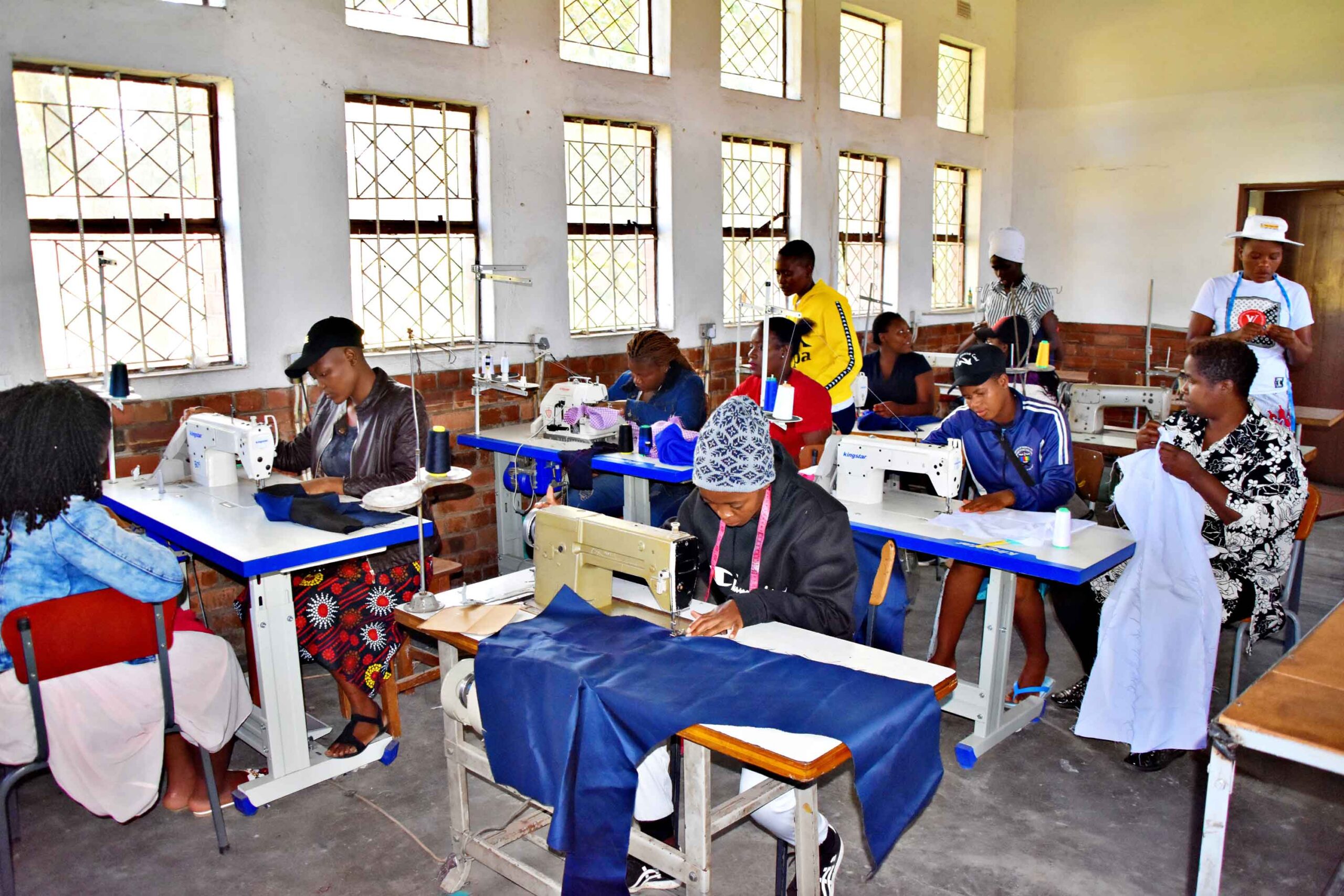
The Deputy Minister of Higher and Tertiary Education, Innovation, Science and Technology Development, Simelisizwe Sibanda, has called on students to take a central role in shaping the future of St Peter’s Kubatana Industrial Training College and contributing to national development.
Speaking at the official opening of the college’s 2026 to 2030 Strategic Planning Workshop at the Zimbabwe Institute of Public Administration and Management (ZIPAM), in Darwendale, Sibanda emphasized that students must actively participate in planning and implementing new developmental initiatives.
“Students must be at the heart of our planning processes. Their ideas, aspirations, and creativity are vital if we are to produce graduates who can meaningfully contribute to Zimbabwe’s industrial and economic growth,” he said.
He urged the college to fully utilize the National Development Strategy 2 and align its programmes with the Ministry’s strategic framework to build the skilled workforce needed for industrialization and the realization of Vision 2030.
“Youth participation is not optional; it is a necessity. Their engagement today will determine the success of tomorrow’s industries and innovations,” he added.
Sibanda also encouraged the commercialization of innovations emerging from the college. “When our young people innovate, they do not only benefit themselves but also drive national development.” He stressed that the Government is committed to supporting institutions that prioritize student involvement in decision-making and planning.
The College Principal, Tonderai Gatsi, described the workshop as a historic moment for the institution. “We are committed to ensuring that students and staff actively shape the direction of the college so that our programmes are relevant, forward-looking, and contribute to Zimbabwe’s economic transformation,” he said.
The workshop is expected to map out a strategic roadmap for 2026 to 2030, focusing on strengthening training delivery, fostering innovation, and ensuring youth engagement in all developmental initiatives. It will also explore ways to improve the relevance of programmes to meet industrial and market demands.
These efforts reflect the Government’s broader commitment to involving young people in national development. Initiatives include expanding access to vocational and tertiary education, supporting entrepreneurship and innovation hubs, promoting skills development in key industrial sectors, and encouraging youth participation in national planning forums.
“Our youth are not just the leaders of tomorrow; they are partners in building the Zimbabwe we all aspire to see,” Sibanda said, urging institutions to integrate student voices into all stages of planning and implementation.