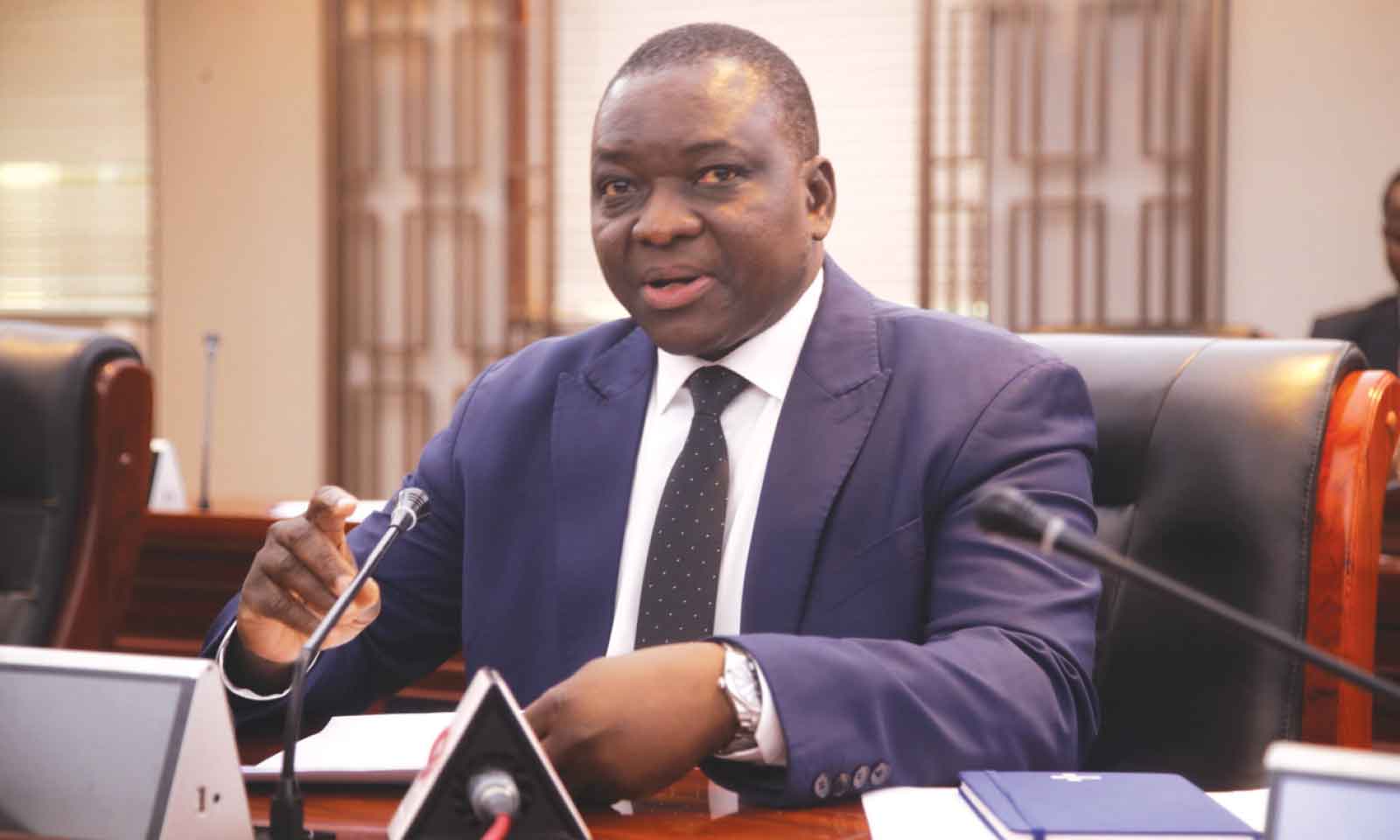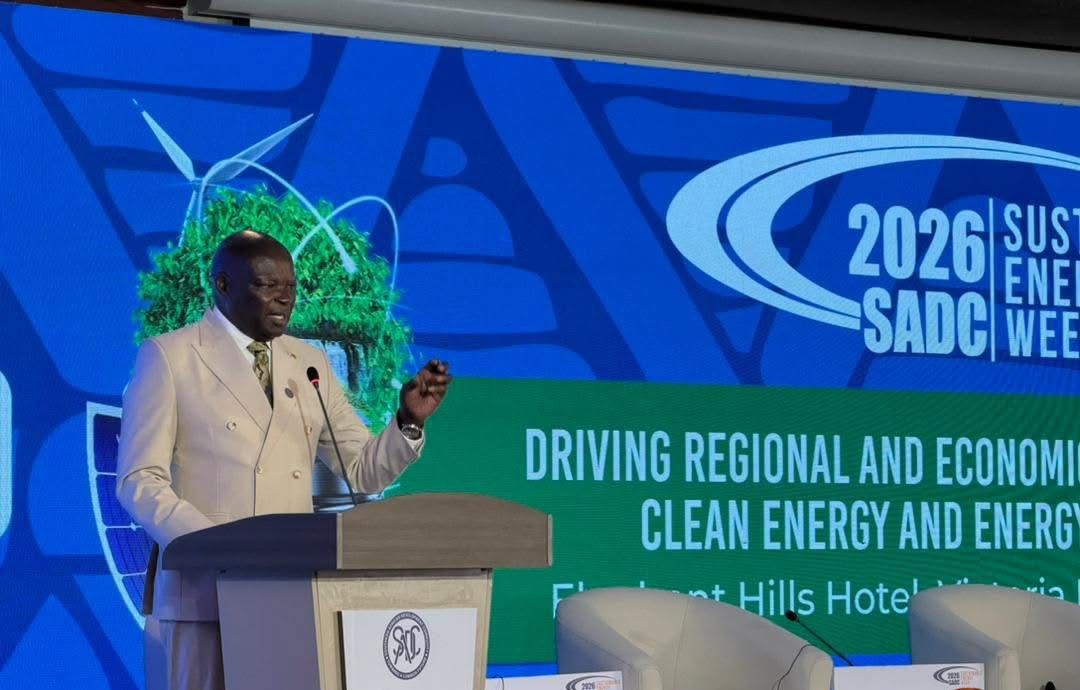
The Southern African Development Community (SADC) must strengthen its regulatory systems by synchronising laws, tariffs and their application to create a unified and investment-ready regional energy market, Zimbabwe’s Energy and Power Development Minister said at the opening of the SADC Sustainable Energy Week in Victoria Falls.
Addressing delegates at the high-level forum on Monday, the Minister said regulatory alignment would consolidate the bloc under the oversight of the Southern African Power Pool (SAPP) and position SADC as a safe hub for local and international capital.
“Realising the importance of regulation, we need to strengthen our regulatory systems through synchronising laws, tariffs and application of the system,” he said. “This will strengthen us as SADC and will make us a regional bloc.”
Held under the theme ‘Driving Regional Economic Growth through Clean Energy and Energy Efficiency’, the second edition of the conference is being hosted in Victoria Falls, Matabeleland North Province. The Minister described the event as a high-level regional platform aimed at accelerating the transition to sustainable energy, enhancing energy security and driving economic growth across the region.
Zimbabwe’s Ministry of Energy and Power Development is co-hosting the conference with the SADC Centre for Renewable Energy and Energy Efficiency, alongside various government departments and sponsors. The week-long programme includes plenary and sponsored sessions, bilateral meetings and field visits focused on renewable energy, energy efficiency and regional integration.
“As a region we are grappling with the issue of renewable energy expansion and as a country, we strongly believe in regional integration and the role that both the public and private sector play in all of it,” the Minister said, urging delegates to maximise networking opportunities.
He confirmed that Zimbabwe will present its Energy Compact during a ministerial segment, describing it as “our blueprint in the energy sector, which will help us achieve the national Vision 2030 of becoming an upper middle-income economy by 2030.”
While promoting clean energy, the Minister said conventional thermal and hydropower stations remain critical within the regional energy mix, alongside efficiency measures. “Our machinery in industry, in mining and across the entire economy must be energy efficient if we are going to realise benefit from the available energy resources,” he said.
The Minister also acknowledged gaps in regional energy data collection, particularly in generation, transmission, distribution and retail statistics, calling for improved reporting standards.
Delegates include Eswatini’s Minister of Natural Resources and Energy, His Royal Highness Prince Lonkhokhela Dlamini, senior government officials, SADC representatives, ambassadors, sponsors and energy ministers from across the region, including Zambia.
The summit will conclude with site visits to sustainable energy projects in Victoria Falls, including community biogas digesters and solar thermal installations at a local hotel, as SADC seeks to translate policy dialogue into practical action.