Ward 15, in Vungu Constituency, is recording notable developmental gains under the Second Republic, with residents benefiting from expanded digital access, improved infrastructure and growing economic opportunities.
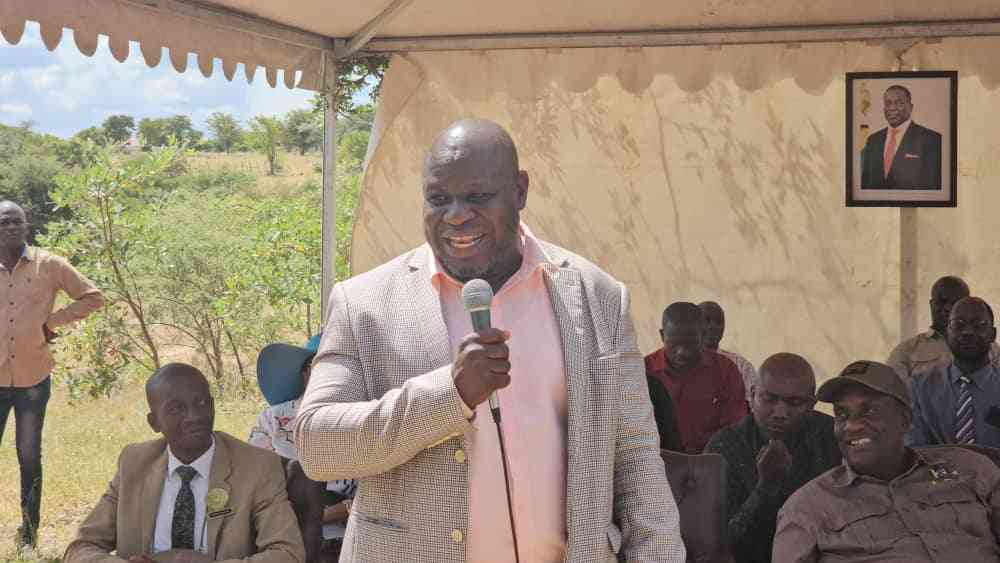
Ward 15 Vungu RDC Councillor, Sindani Mpofu, said the milestones reflect the visionary leadership of President Emmerson Dambudzo Mnangagwa, First Secretary of ZANU PF, whose administration has prioritised inclusive development since 2017.
“Since 2017, Zimbabwe has witnessed unprecedented development. This is not mere rhetoric but undeniable facts etched across the national landscape,” said Mpofu.
He said the Presidential Computerisation Programme has significantly narrowed the rural-urban digital divide in Somabula. Somabula Primary School received 30 computers, Somabula Secondary School 40 computers, while Somabula Clinic was equipped with five computers.
“This programme is empowering the next generation with digital skills while modernising service delivery at our institutions. Rural learners are no longer being left behind,” he said.
Mpofu also commended the Presidential Title Deed Programme, saying it was restoring dignity and security of tenure to citizens.
On infrastructure, he said Ward 15 has benefited from the Emergency Road Rehabilitation Programme, which has improved accessibility and eased the movement of goods and services.
Through the Constituency Development Fund, Vungu legislator, Brown Ndlovu, facilitated the procurement of roofing materials for Tapiwa Primary School.
“The Constituency Development Fund has directly accelerated infrastructural progress in our ward. Roofing materials for Tapiwa Primary School are now in place, bringing relief to learners and teachers,” said Mpofu.
He further applauded the Rural Electrification Agency for expanding power access to schools, clinics and homesteads. He highlighted the Windmate Project in Manokore Village, which is expected to generate electricity through wind energy once complete.
“This innovative project places our ward at the forefront of renewable energy adoption and will transform livelihoods,” he said.
Mpofu said the local developments mirror positive national economic trends, with Zimbabwe’s Gross Domestic Product growing from US$20 billion in 2017 to US$52 billion by the end of last year, while inflation has stabilised at 4.1 percent.
“Food security is now guaranteed through programmes such as Pfumvudza/Intwasa, and key sectors like agriculture and mining are registering record performances in gold, tobacco and wheat production,” he said.
In 2024, Somabula hosted the launch of the second phase of the National Rail Fibre Optic Project, a strategic initiative designed to enhance broadband connectivity across Zimbabwe and the Southern African region. Residents around Somabula Centre are now benefiting from complimentary internet access.
Mpofu said the developments demonstrate steady progress towards the attainment of Vision 2030 and the realisation of an empowered and prosperous upper-middle-income society.