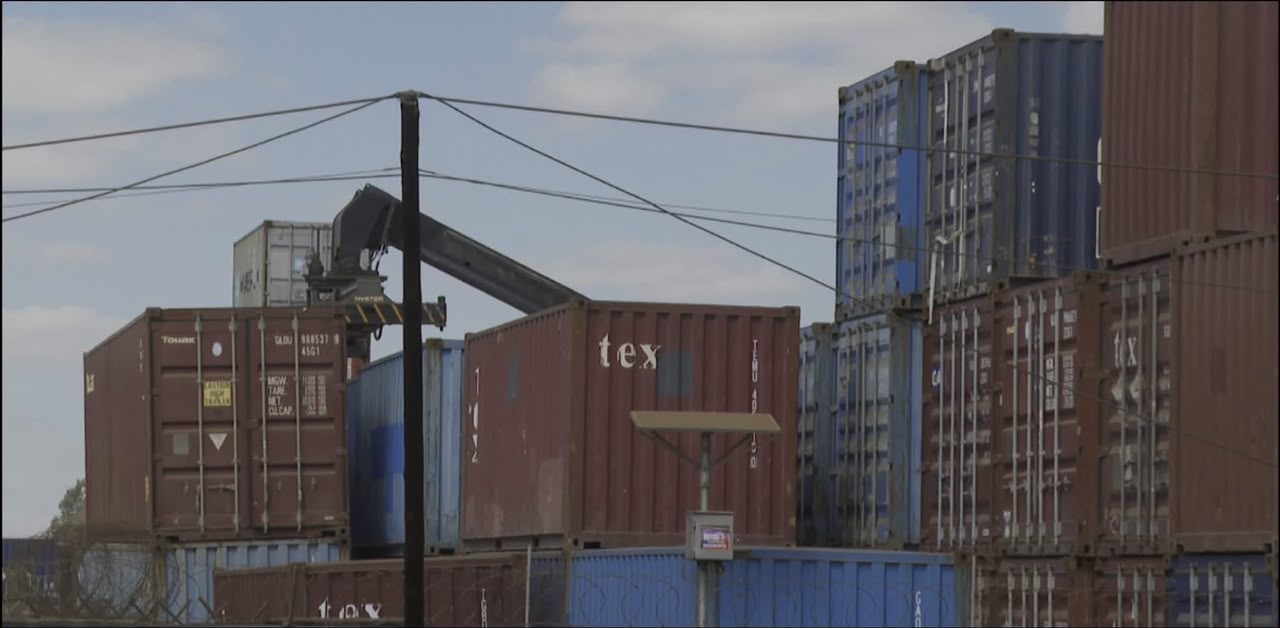
Zimbabwe’s drive to boost local production and value addition is beginning to translate into stronger export performance, with monthly exports rising to more than US$1.4 billion in July as businesses signal renewed commitment to expanding production.
The development, highlighted during the third quarter Business Member Organisation and Government meeting, points to growing opportunities for local companies to penetrate regional and international markets while reducing the country’s dependence on imports.
The latest trade figures also show a reduction in the import bill, with Zimbabwe saving more than US$300 million during the month under review. The combination of increased exports and lower imports is expected to strengthen foreign currency generation and support broader economic stability.
Industry and Commerce Minister Mangaliso Ndlovu said the outlook for the manufacturing sector remained positive, citing rising capacity utilisation, increased exports, improved economic stability and sustained energy generation.
“The outlook is promising, given the rise in the manufacturing sector capacity utilisation, as well as positive outcomes such as exports, stability and sustained energy generation capacity, which has laid the path to sustained increase in exports,” he said.
Minister Ndlovu said the Government would continue implementing measures designed to unlock value for industry and create a conducive environment for businesses to expand.
African Economic Development Strategies executive director Professor Gift Mugano said the rise in exports demonstrated the positive impact of policies aimed at strengthening domestic production and value addition.
“The figures are for all to see and the fact that such trajectory is being realised in the form of increased foreign currency inflows is a real testament towards the desire for industry and commerce to maintain that momentum in growth,” he said.
Professor Mugano said sustained export growth was critical to unlocking Zimbabwe’s economic potential, particularly as the country continues to pursue stability and long-term development.
He added that the trend represented an important indicator of the resilience of the economy and its capacity to generate foreign currency through productive sectors.
Confederation of Zimbabwe Industries chief executive officer Sekai Kuvarika said increased imports of machinery and equipment were also encouraging, as they indicated that companies were investing in expanding and modernising their operations.
“It is indeed a sign that more firms are focusing on recapitalisation operations to unlock value and foster viability of what they produce,” she said.
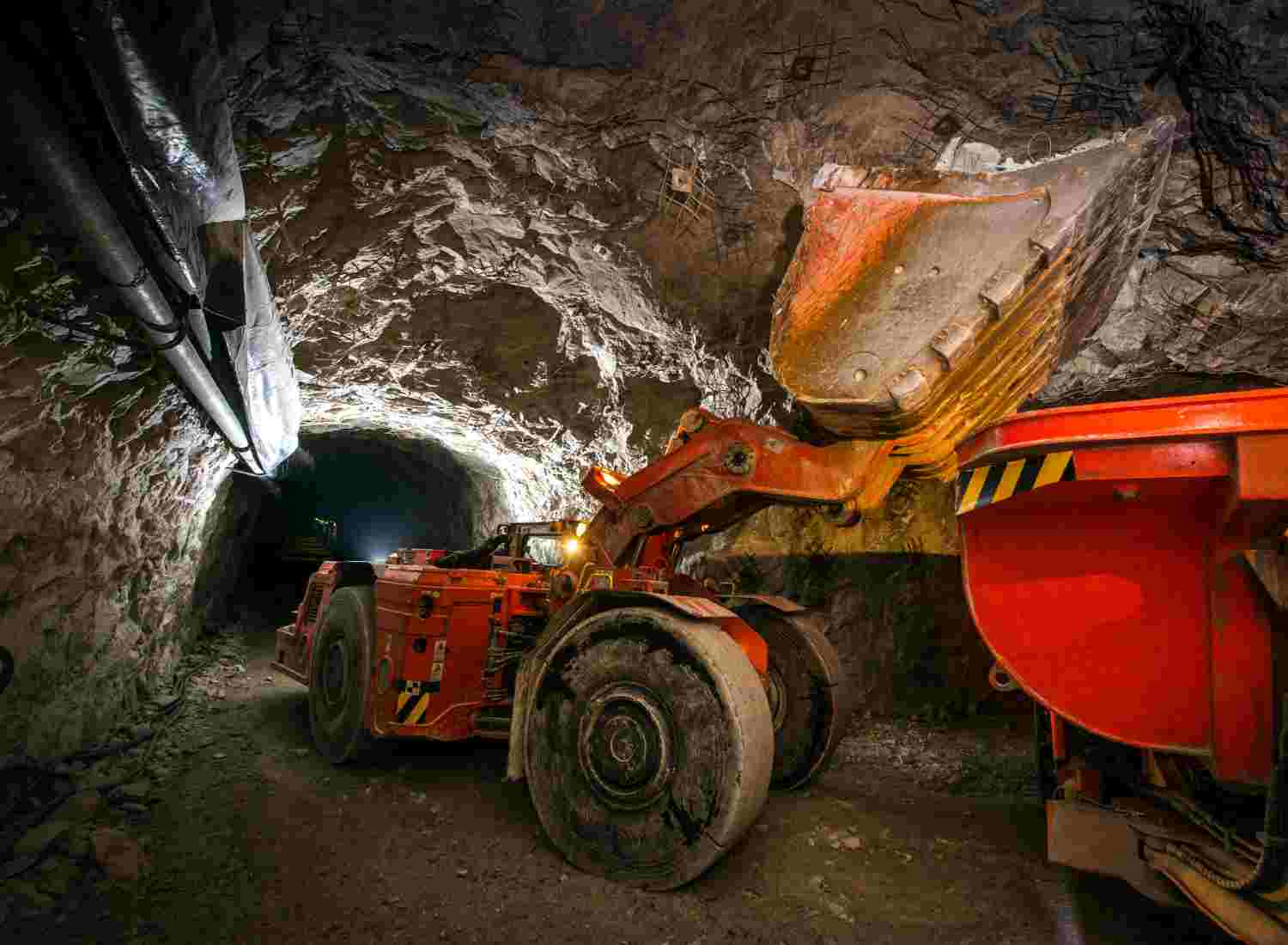
Kuvarika said recapitalisation was helping industries increase their capacity to produce goods for both domestic consumption and export markets, with mining, agriculture and manufacturing among the sectors benefiting from increased investment.
The United Arab Emirates, China and South Africa are currently among the leading destinations for Zimbabwean exports, reflecting the growing reach of local products beyond traditional markets.
The Reserve Bank of Zimbabwe has also noted that exports are increasingly becoming a major source of foreign currency inflows, underscoring their importance to the stability and growth of the economy.
The latest figures therefore provide renewed impetus for Zimbabwe’s value-addition agenda, with increased production, recapitalisation and export diversification expected to remain central to efforts to build a more competitive and self-sustaining economy.