
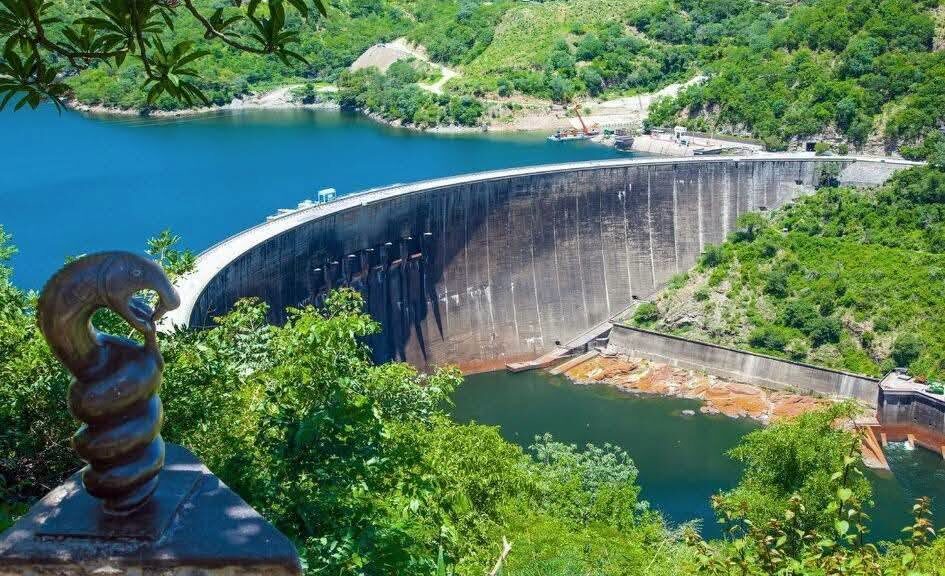
Zimbabwe’s national dam storage levels have remained well above the seasonal average, with the country’s dams holding an average of 87.2% as of August 27, 2026, providing a potentially critical water buffer ahead of the anticipated El Niño conditions during the 2026/27 agricultural season.
In a statement, recently, ZINWA head of corporate communications and marketing, Marjorie Munyonga, said the high dam levels would provide an important cushion against potentially adverse weather conditions expected in the coming agricultural season.
“The current dam levels are encouraging and provide the country with a strong water reserve going into the 2026/27 season.
These reserves should help cushion the country against the expected strong El Niño conditions while also supporting early-planted crops through the dry period,” Munyonga said.
The strong water position comes at a time when farmers are preparing for a potentially challenging agricultural season, with El Niño conditions generally associated with reduced rainfall and prolonged dry spells in southern Africa.
Munyonga said maintaining the available water resources would be critical, particularly as demand for irrigation and other uses increases during periods of limited rainfall.
“The water currently stored in our dams remains a critical national resource, and its prudent management will be important as we navigate the anticipated dry conditions.
The relatively high dam levels could also provide relief to communities and economic sectors dependent on surface water supplies, although there is still need for conservation and efficient utilisation,” she added.
The marginal week-on-week decline from 87.7 percent to 87.2 percent reflects normal changes in dam storage as water is released for various uses and evaporation continues during the dry season.
Zimbabwe’s dam storage levels are closely monitored as they influence water availability for domestic consumption, irrigation, industry and environmental requirements.
The latest position gives authorities and farmers a stronger starting point as the country prepares for the 2026/27 season, although the eventual impact of El Niño will depend on the intensity and distribution of rainfall across the country.


This is an opportunity to invest in water infrastructure, can the responsible authorities make use of this opportunity?
This is encouraging progress towards a more water-secure and climate-resilient Zimbabwe.