Experts say the recent ban on raw mineral exports signals a strategic shift toward stronger resource governance, placing industrial development at the centre of Zimbabwe’s economic transformation. The move has been widely described as a decisive step demonstrating Government’s commitment to domestic value addition and beneficiation.
The policy direction mirrors global trends. Indonesia, for example, successfully implemented a similar strategy by restricting raw nickel exports to grow its own processing industry, an approach Zimbabwe now seeks to replicate as it leverages its vast mineral resource base.
With mining accounting for nearly 70 percent of national export earnings, analysts view the shift as a calculated measure to ensure the country derives maximum value from its mineral wealth.
In an interview with the media, Buy Zimbabwe Founder Munyaradzi Hwengere said the country retains very little value from its mineral exports despite their dominance in foreign currency earnings.
“According to the Chamber of Mines of Zimbabwe, although 80% of what we export is minerals, we only retain 12% locally as manufactured output. We need to raise that, perhaps to 30%. Current beneficiated manufacturing in mining is below US$200 million. That figure must grow,” he said.
Hwengere added that Zimbabwe’s position in global mineral markets is strong enough to influence pricing.
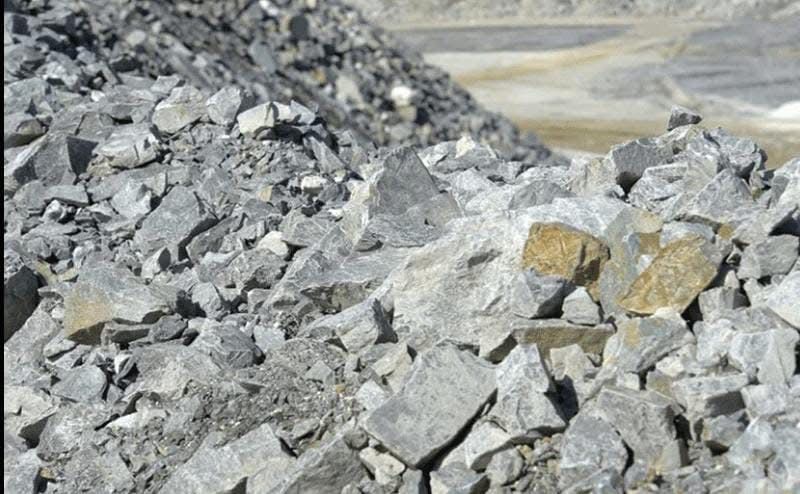
“Prices in China went up 6% literally the next day after supply tightened, which shows Zimbabwe matters. But as long as we continue exporting rocks, we should understand we are investing in poverty for the future.”
Across Africa, nations are rethinking their roles in the global value chain—moving from being mere suppliers of raw materials to becoming global negotiators. Botswana’s diamond cutting and polishing industry remains a leading example of this shift.
The Zimbabwe Miners Federation also expressed confidence in the policy, saying the ban will unlock significant value.
“This process was long overdue given Zimbabwe’s rich mineral resource base. The government’s stance reflects a wider continental trajectory where nations are pushing industrial transformation through beneficiation,” ZMF president Henrietta Rushwaya said.
She added that processed minerals command significantly higher prices than raw concentrates, and given Zimbabwe’s standing as one of the world’s top lithium producers, investing in value addition positions the country as a competitive supplier of battery-grade materials. The strategy, she said, fully aligns with Vision 2030.
Economic projections indicate that revenue optimisation from beneficiation could triple or even increase fivefold once processing is done locally.
President Emmerson Mnangagwa has repeatedly affirmed that value addition is now non-negotiable.
“Dependence on raw exports is no longer sustainable nor desirable. We must earn more from every tonne and every kilogram we export. Jobs, value and industrial opportunities must no longer be lost. The value must be created locally within our factories, processing plants, innovation hubs and communities,” he said.
“In the mining sector, our policy is unequivocal. Zimbabwe is no longer satisfied with being a supplier of raw minerals. Under my administration, focus is on local processing, diversifying downstream industries, technology transfer and stronger linkages across the economy.”
Beneficiation remains a core pillar of Zimbabwe’s development strategy, unlocking higher revenues, boosting employment, and positioning the nation as a competitive industrial player in global mineral value chains.