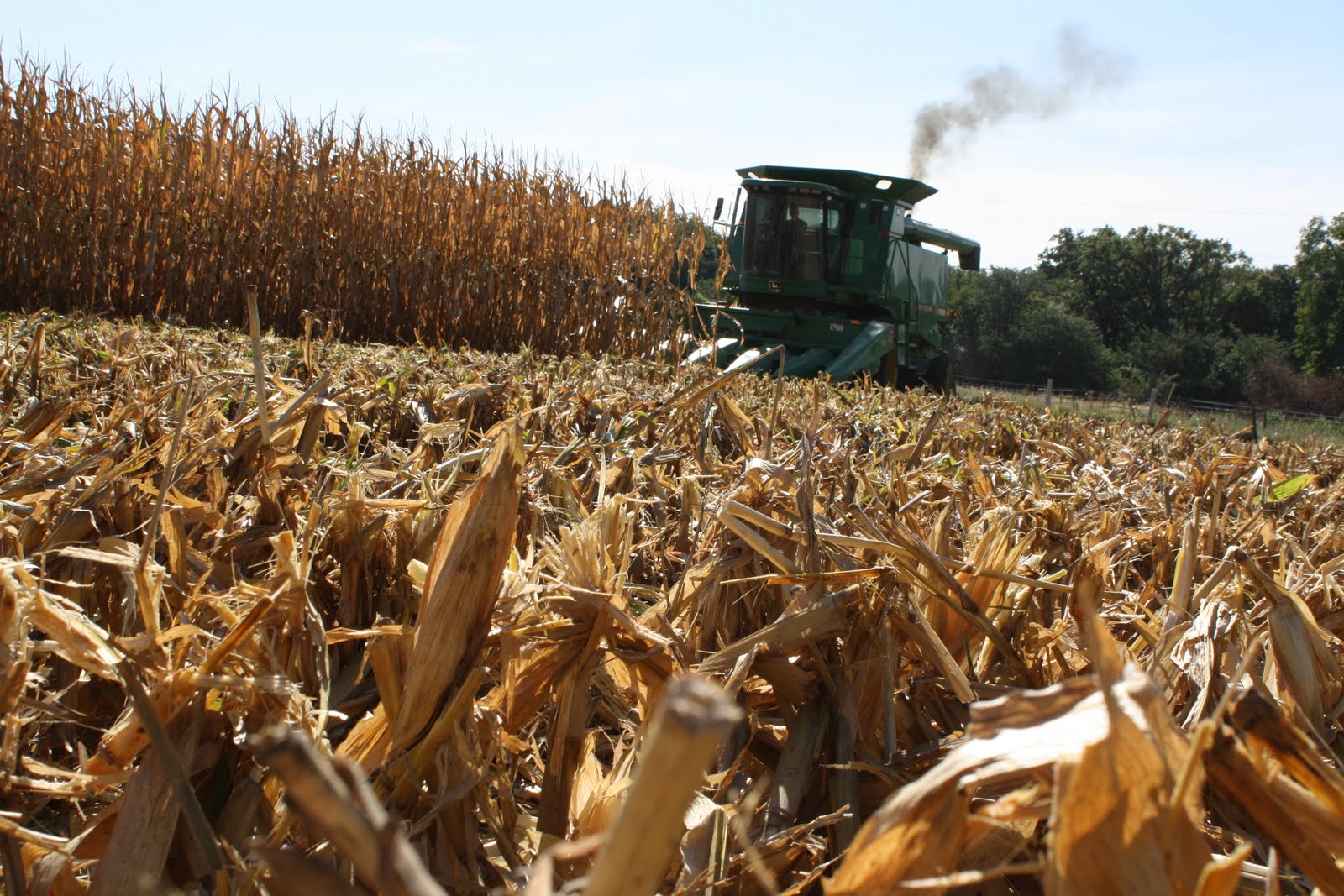
Government is projecting increased maize output for the 2024–25 summer cropping season, with Mashonaland West Province surpassing its planting target following favourable rainfall patterns and sustained agricultural support programmes.
The province recorded approximately 374 000 hectares under maize, exceeding its initial target of 360 000 hectares, a development that signals improved production prospects and reinforces national food security.
Speaking at a field day held at Minister of Mines and Mining Development Polite Kambamura’s farm in Zvimba last Friday, Permanent Secretary for Agriculture, Mechanisation and Water Resources Development, Professor Obert Jiri, said Government is finalising the Crops, Livestock and Fisheries Assessment (CLAFA), which will provide a comprehensive evaluation of the country’s seasonal agricultural performance.
“Our farmers need to be appreciated for putting in a stellar effort in growing this year’s crop. Despite the low rainfall in the Mashonaland provinces, we are seeing a much better crop compared to last year, even though that season had better rains. So, it is encouraging to note that we are heading towards a very good harvest. As we move towards the end of the harvesting period, we are also preparing for the winter wheat season. Most farmers are now transitioning into winter wheat production programmes,” he said.
Mashonaland West Provincial Director in the Ministry of Agriculture, Mechanisation and Water Resources Development, Caristo Masiwa, highlighted the strong performance recorded across a range of crops.
“The province recorded a total of 374 600 hectares under maize this season, reflecting a strong commitment by farmers to scale up production despite varying climatic conditions. At the same time, traditional grains, particularly mapfunde, have registered notable progress, with an increasing number of farmers now operating under contract farming arrangements. This has not only improved access to inputs and markets but also enhanced productivity and viability of small grains, which are critical for climate resilience,” he said.
This growth has been driven by Government support initiatives, particularly the expansion of irrigation infrastructure aimed at boosting productivity, strengthening climate resilience and reducing dependency on rainfall.
Farm manager Alex Janasi said a combination of good rainfall, diversification and strict adherence to sound agronomic practices has strengthened farmers’ prospects this season.
“We have put 230 hectares under maize this season, complemented by diversified operations that include horticulture projects, fisheries, and beef production. The favourable rainfall patterns, coupled with strict adherence to good agricultural practices, have positioned us for a strong yield across all our enterprises,” he said.
At the same time, Government is intensifying efforts to scale up traditional grain production particularly sorghum and millet, as part of broader climate-resilience strategies.
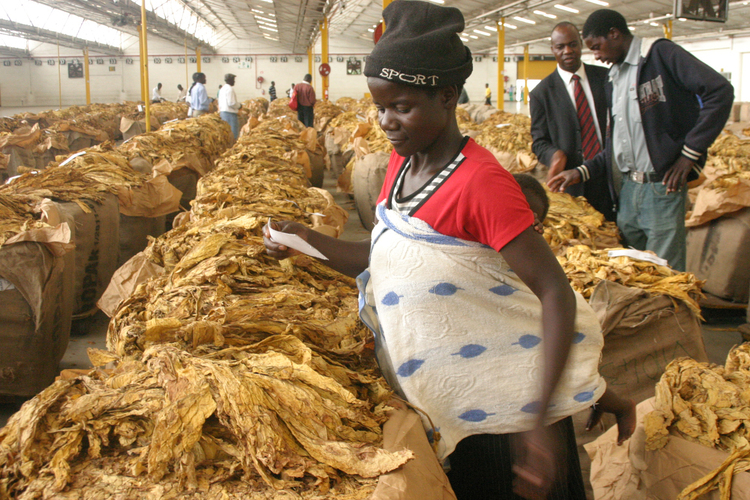
With the tobacco season winding down, the Government is urging farmers to continue observing standard agricultural practices, including timely destruction of tobacco stalks to prevent disease carryover. To support the surge in production, the Government is also rolling out artificial intelligence–driven storage facilities, designed to provide farmers with integrated, one-stop-shop services that improve storage efficiency, reduce post-harvest losses and modernise agricultural logistics