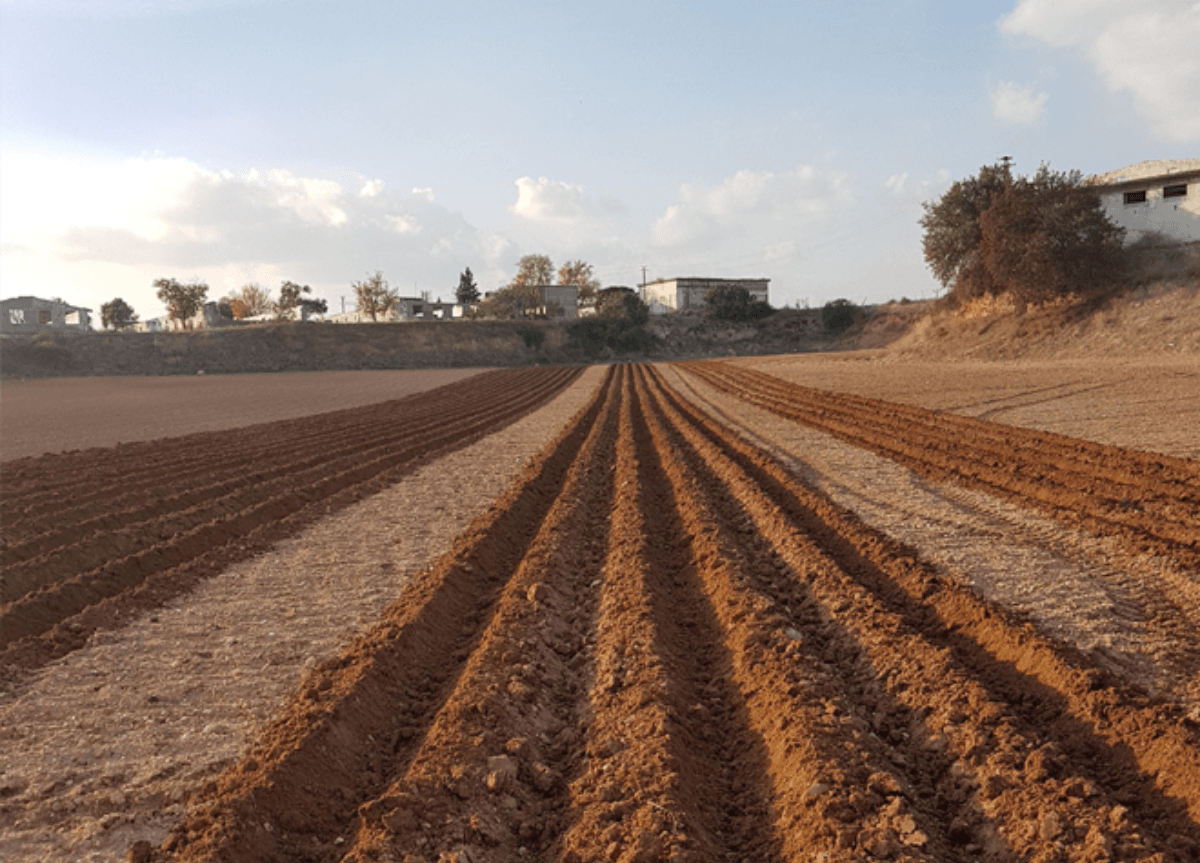
Farmers in Matabeleland North have been urged to accelerate land preparation and planting for the winter wheat season following slow registration figures that threaten the province’s output targets.
Speaking, yesterday, during a seminar for Agritex officers and farmers from the province, Agricultural and Rural Development Advisory Services (ARDAS) chief director, Medlinah Magwenzi, said there was an urgent need to close the wheat planting gap and improve productivity in the wake of last season’s drought.
“Time is of the essence. Farmers must move quickly to prepare their land and plant within the recommended window if we are to achieve meaningful yields,” she said. “Delays at this stage will compromise output and affect the province’s contribution to national food security,” she said.
Zimbabwe has set a target of 125 000 hectares under wheat this winter, with Matabeleland North allocated 3 000 hectares based on its commercial farming capacity. However, only about 1 700 hectares have been registered to date, raising concern among agricultural authorities.
“This is just over half of what we are expected to achieve. We need to close this gap as a matter of urgency and ensure more farmers come on board,” she said.
She noted that wheat had become a strategic crop, particularly after poor rainfall affected maize production in several parts of the country.
“After the drought, many communities have relied on wheat products such as bread and even sadza. This underscores the importance of winter wheat production in sustaining households,” she said.
Magwenzi assured farmers that inputs were readily available through contractors as well as Government support initiatives, including the Presidential Input Programme.
“Through the Presidential Input Programme, smallholder farmers and irrigation schemes with up to three hectares can access free seed, fertiliser and chemicals. No farmer should fail to plant due to lack of inputs,” she said.
The seminar, organised by the ARDAS, brought together extension officers and farmers to share technical knowledge and reinforce best practices for winter cropping.
Agritex officers at the meeting stressed the importance of timely planting, efficient irrigation scheduling and proper fertiliser application to maximise yields.
Government continues to prioritise winter wheat production as part of broader efforts to strengthen food security and reduce reliance on imports in Zimbabwe.