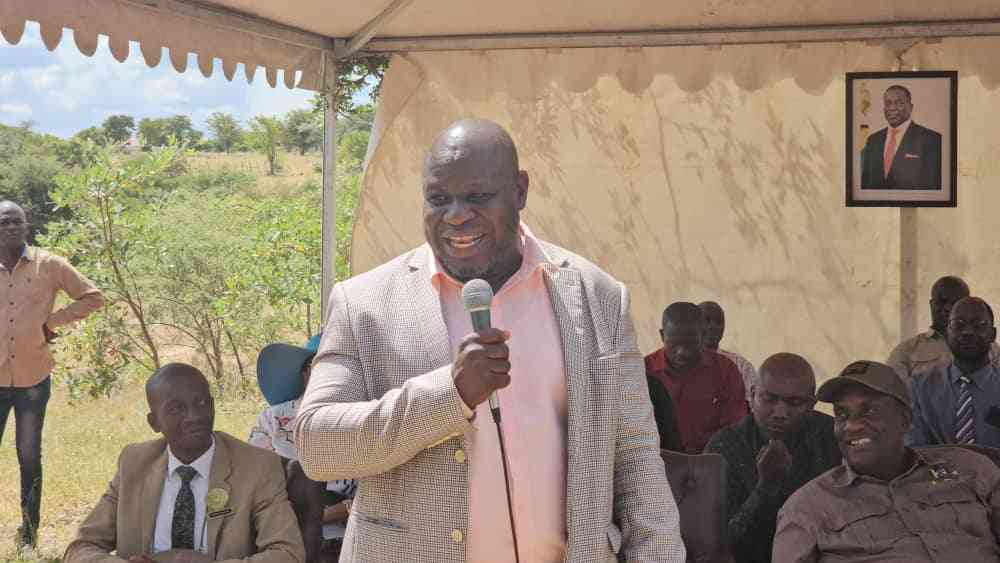

Support for Constitutional Amendment Bill No. 3 (CAB3) featured prominently during an awareness campaign held in Mabvuku-Tafara over the weekend.
In a sideline interview in Old Tafara, Primrose Miga of the African Coalition of Youths Against Subversion (ACUAS) said she strongly supports CAB3, arguing that sustained leadership is key to completing long-term development initiatives.
“We strongly support Constitutional Amendment Bill No. 3,” she said. “We are emphasizing the need for continuity in leadership to ensure ongoing development projects are completed.”
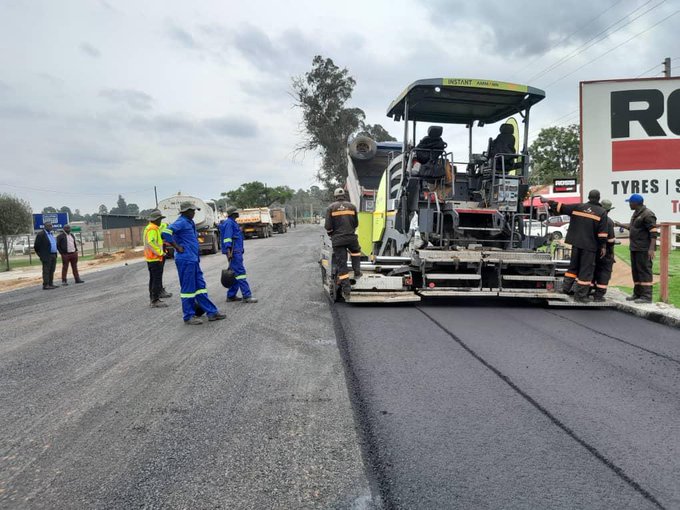
Miga cited major infrastructure projects as evidence of the importance of policy and leadership consistency, pointing to the Gwayi-Shangani Dam project as an example.
“The Gwayi-Shangani Dam had remained unfinished for over 100 years before progress accelerated under the Second Republic,” she said.
She added that stable governance structures were essential for national progress, particularly in ensuring that development projects are not delayed or abandoned due to shifts in policy direction.
“Stable leadership is important for sustaining national development and creating opportunities for youths,” Miga added.
In a separate sideline interview at the same event, Roncemore Mhlanga, a lawyer and chairman of the Zimbabwe Presidential Scholarship Alumni for Economic Development, said CAB3 would reinforce government development priorities.
He said the proposed constitutional amendment aligns with the Second Republic’s broader economic transformation agenda.
“Constitutional Amendment Bill No. 3 is important because it reinforces the development agenda and establishment projects initiated by the Second Republic,” Mhlanga noted.
He added that continuity in governance would allow for the completion and expansion of ongoing national programmes.
“The proposed amendment would help ensure continuity, allowing the Government to complete and expand ongoing programmes aimed at national growth and economic transformation,” he said.
The awareness campaign in Mabvuku-Tafara formed part of ongoing public engagement processes around CAB3, with various stakeholders weighing in on its potential implications for governance and development.