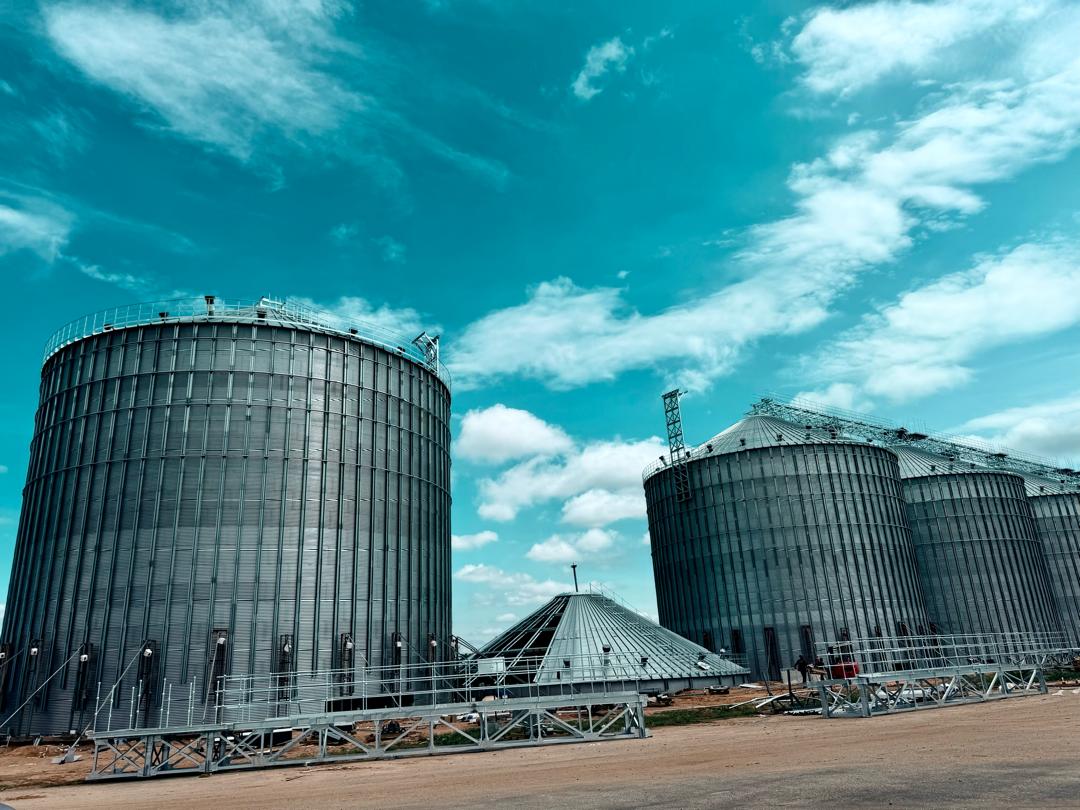
Private millers are increasingly embracing the Grain Marketing Board (GMB)’s upgraded artificial intelligence-powered silo facilities, with the modernised infrastructure emerging as a key pillar in supporting grain storage, industrial productivity and national food security.
Long queues of trucks carrying maize and soya beans continue to arrive at GMB depots across the country, as millers and farmers take advantage of the enhanced storage systems introduced under the Second Republic’s agricultural modernisation drive.
The upgraded silos, equipped with artificial intelligence technology, are enabling efficient grain handling, monitoring and storage management, while also supporting third-party storage arrangements for private millers.
Grain Millers Association of Zimbabwe (GMAZ) Chief Executive Officer, Adolf Chirimuuta, said the modernised facilities are improving operational efficiency for millers and strengthening the country’s grain value chain.
“Our arrangement is that all the harvested grain, such as soya and maize, is delivered at the nearest depot for all our members who are using these state-of-the-art modern silos backed by AI. It is essential that these are harnessing industrial productivity, hence we thank the Government for the project to upgrade these silos,” he said.
The increased uptake of the storage facilities comes as Zimbabwe anticipates another strong harvest following a successful summer cropping season expected to bolster national strategic grain reserves and food security.
GMB Operations Director, Patrick Muzvimbiri, confirmed that grain deliveries for the 2026 marketing season are already underway nationwide, with farmers encouraged to utilise the board’s extensive network of buying points.
“We have started receiving grain across the country for the 2026 grain marketing season and urge our farmers to make use of these and payments will be made timeously,” he said.
The GMB operates more than 1 800 buying points countrywide, ensuring greater accessibility for farmers while accelerating grain collection and distribution processes.
The adoption of AI-driven storage systems marks another milestone in Zimbabwe’s efforts to modernise agricultural infrastructure, reduce post-harvest losses and enhance efficiency across the food production value chain.