US automaker Ford has rehired more than 300 experienced engineers and quality inspectors after acknowledging that artificial intelligence systems failed to match the expertise required for complex vehicle quality assessments.
The company had previously integrated AI across parts of its operations, including quality control processes, in a bid to reduce costs and improve efficiency. However, executives now say the technology did not deliver the expected results.
“Artificial intelligence is a fantastic tool, but it’s only as good as the information you use to train it,” said Charles Poon, Ford’s vice president of vehicle hardware engineering.
He added that the company had previously underestimated the value of experienced staff in ensuring product quality.
“Over prior years, we didn’t pay as much attention as we should have to the experience of our most knowledgeable engineers that have been with us through many product cycles,” Poon said.
According to Bloomberg, Ford has brought back more than 300 veteran quality inspectors in recent years to address shortcomings in its automated systems.
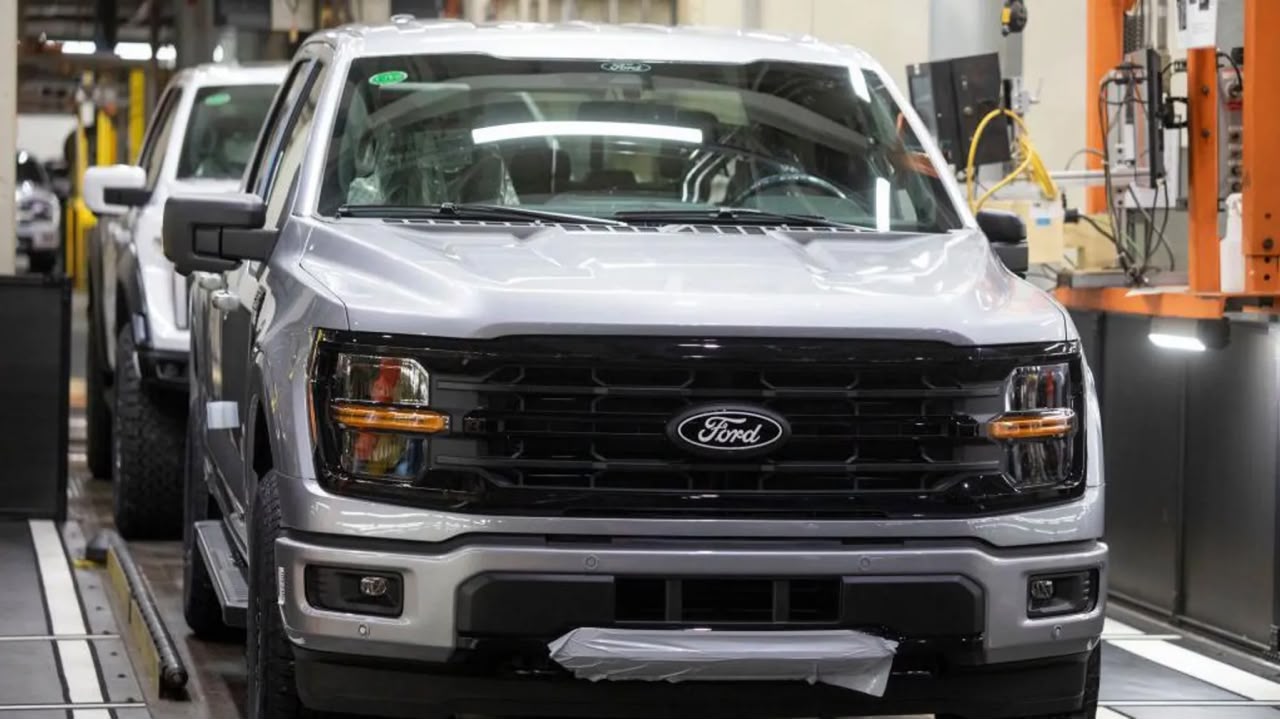
The company had widely deployed AI technologies across its manufacturing operations, including around 900 AI-powered cameras in its plants designed to detect defects and reduce supply chain disruptions.
Ford executives had previously spoken optimistically about AI’s role in reshaping industrial production. Chief executive Jim Farley earlier described AI as a tool that could significantly reshape the workforce, while chief operating officer Kumar Galhotra said the company was “deploying AI across the entire industrial system.”
However, Poon acknowledged that the systems had not performed as expected.
“Mistakenly, we thought that by just introducing artificial intelligence and ingesting the design requirements that we had, that would produce a high-quality product,” he said.
He noted that many experienced technicians had left the company before their knowledge could be fully captured and integrated into AI systems, prompting Ford to reintroduce veteran staff not only to improve production quality but also to train younger employees and refine automated tools.
“We recognised that for us to enhance some of our automation and machine learning and artificial intelligence tools we needed to ensure that they were trained by the most experienced individuals,” he said.
Despite the setback, Ford recently reported improvements in its vehicle quality rankings, regaining the top position in the US J.D. Power Initial Quality Study for the first time since 2010. The company said the turnaround followed a broader “talent refresh” across engineering, manufacturing and supply chain operations.